
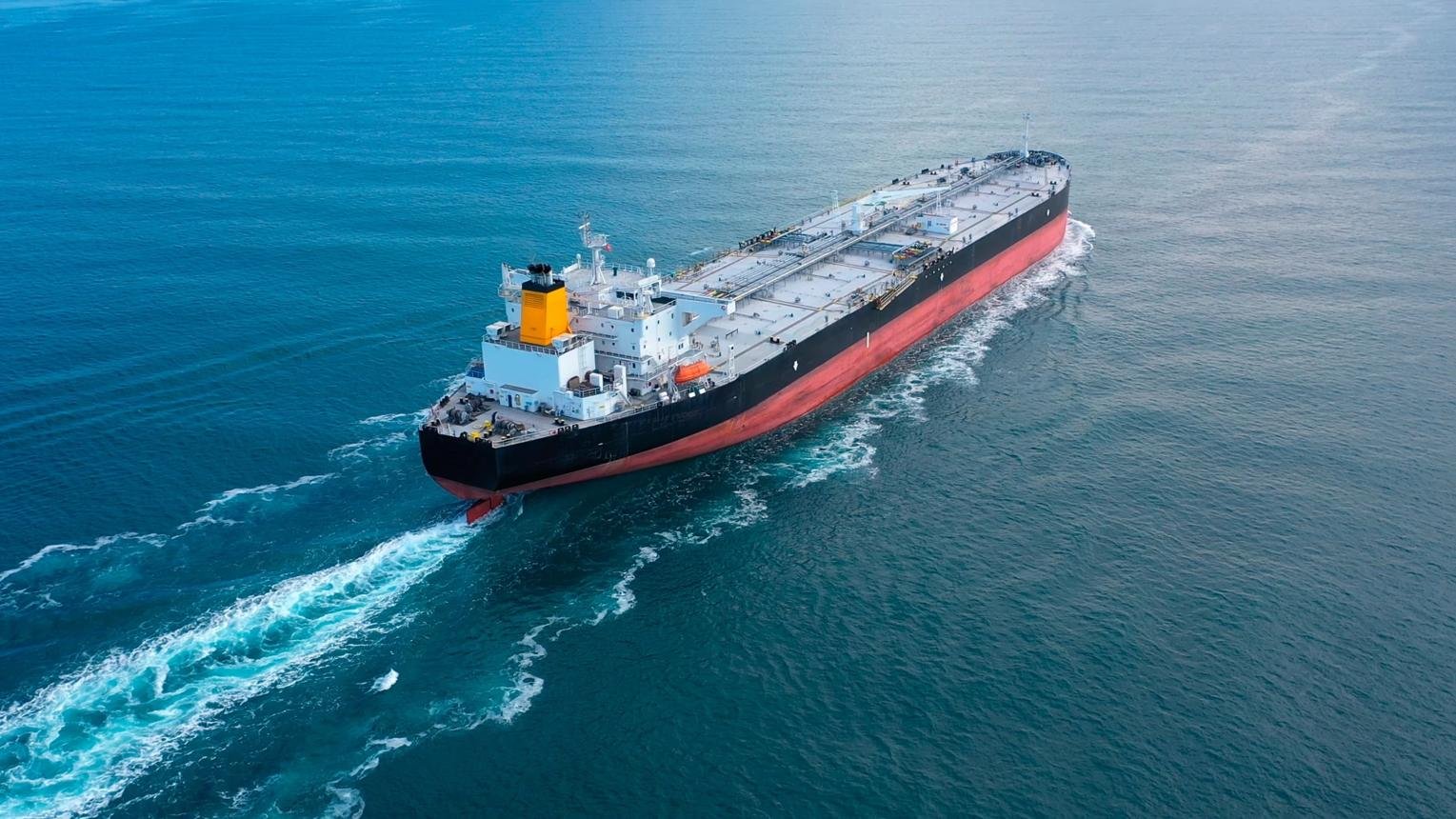
A renewed surge in energy prices and mounting pressure on African currencies are forcing central banks across the continent to reassess the pace of monetary easing as the economic effects of the Middle East conflict spread beyond the energy market.
The latest shock has complicated efforts by policymakers to lower borrowing costs after periods of easing inflation, with higher oil prices threatening to revive imported inflation while stronger demand for the US dollar puts additional pressure on local currencies.
For oil-importing economies, the transmission is relatively direct. Higher crude prices raise the cost of fuel, transport and production, with businesses eventually passing part of those costs to consumers. The result is a more difficult environment for central banks seeking to support economic activity without allowing inflationary pressures to become entrenched.
Recent developments across the continent show how differently policymakers are responding. In Ghana, the Bank of Ghana maintained its policy rate at 28 percent at its latest Monetary Policy Committee meeting, with the decision coming as global economic conditions remain uncertain.
South Africa is also approaching its latest monetary policy decision amid renewed market attention on inflation, the rand and global energy prices. The South African Reserve Bank is scheduled to announce its decision this week, with markets watching for indications of how the central bank is assessing the latest external shocks.
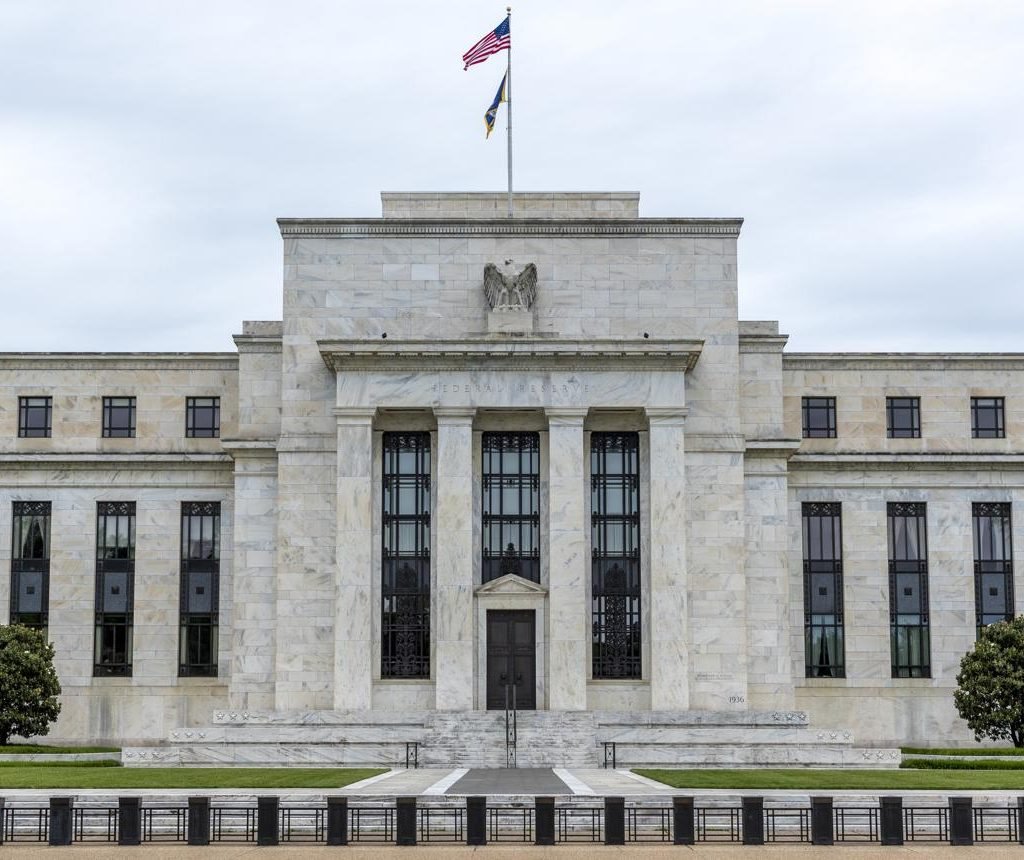
The pressure is not limited to interest rates. The US Federal Reserve raised its benchmark interest rate by 25 basis points on September 16 to a range of 3.75 percent to 4 percent. The move was the first US rate increase since 2023 and came as the Fed continued to assess elevated inflation and geopolitical uncertainty. For African markets, changes in US interest rates can influence the relative attractiveness of dollar-denominated assets and increase pressure on policymakers managing capital flows and exchange rates.
The currency channel has become particularly visible in Uganda. The shilling has weakened sharply in September, crossing Shs3,900 to the US dollar as higher oil prices increased demand for foreign currency from fuel importers and other businesses. By September 15, the currency had lost about four to five percent from its end-August levels, according to market reports.
The Bank of Uganda has responded with a liquidity-management measure, raising the cash reserve requirement for commercial banks from 11 percent to 13.5 percent, effective September 24. The measure requires banks to hold a larger share of deposits with the central bank, reducing the amount of liquidity available within the banking system. The move comes as the shilling faces pressure from increased dollar demand and uncertainty surrounding the duration of the Middle East conflict.
Uganda is not alone in facing currency pressures. Recent market analysis has pointed to continued weakness in several African currencies as higher energy costs increase import bills and investors reassess emerging-market risks. Uganda, Ghana and Zambia were among currencies expected to remain under pressure in the week to September 24, while Kenya and Nigeria were expected to be relatively more stable, according to market participants cited by Reuters.
The challenge for policymakers is that raising or maintaining interest rates can help support currencies and contain inflation, but it also increases the cost of borrowing for households and businesses. For companies, this can affect working capital, investment decisions and expansion plans at a time when energy and imported input costs are already rising.
The oil shock also creates different pressures across African economies. Net oil importers face higher fuel and transportation costs, while oil-producing economies can benefit from higher export revenues. The impact therefore depends on each country’s trade structure, fiscal position, exchange-rate regime and domestic inflation conditions.
Gold is another part of the broader reserve-management conversation. Central banks globally have continued to hold gold as part of their reserve portfolios because of its liquidity and diversification characteristics. World Gold Council data, updated in September, tracks official gold holdings and purchases across countries through June 2026. (World Gold Council)
However, gold accumulation should not be viewed as a substitute for monetary policy. Central banks continue to rely primarily on interest rates, liquidity operations, foreign-exchange management and other conventional tools to respond to inflation and currency pressures.
The current environment is therefore forcing African policymakers to balance several competing objectives at once. They must contain inflation without unnecessarily weakening economic activity, support currency stability without exhausting foreign-exchange buffers and maintain investor confidence while protecting households and businesses from higher borrowing costs. For businesses across the continent, the implications are already becoming visible through exchange-rate movements, fuel costs and financing conditions.
In Uganda, the shilling’s recent slide has increased the local-currency cost of imported fuel and other goods, while the Bank of Uganda’s latest liquidity measure signals the seriousness of the currency pressure. The broader lesson for companies is that global geopolitical developments can now move quickly through energy markets, foreign-exchange markets and domestic financing conditions.
As central banks confront that chain of effects, the next phase of monetary policy in Africa will increasingly depend on how long elevated energy prices persist and whether the external shocks begin to feed more deeply into domestic inflation.
