
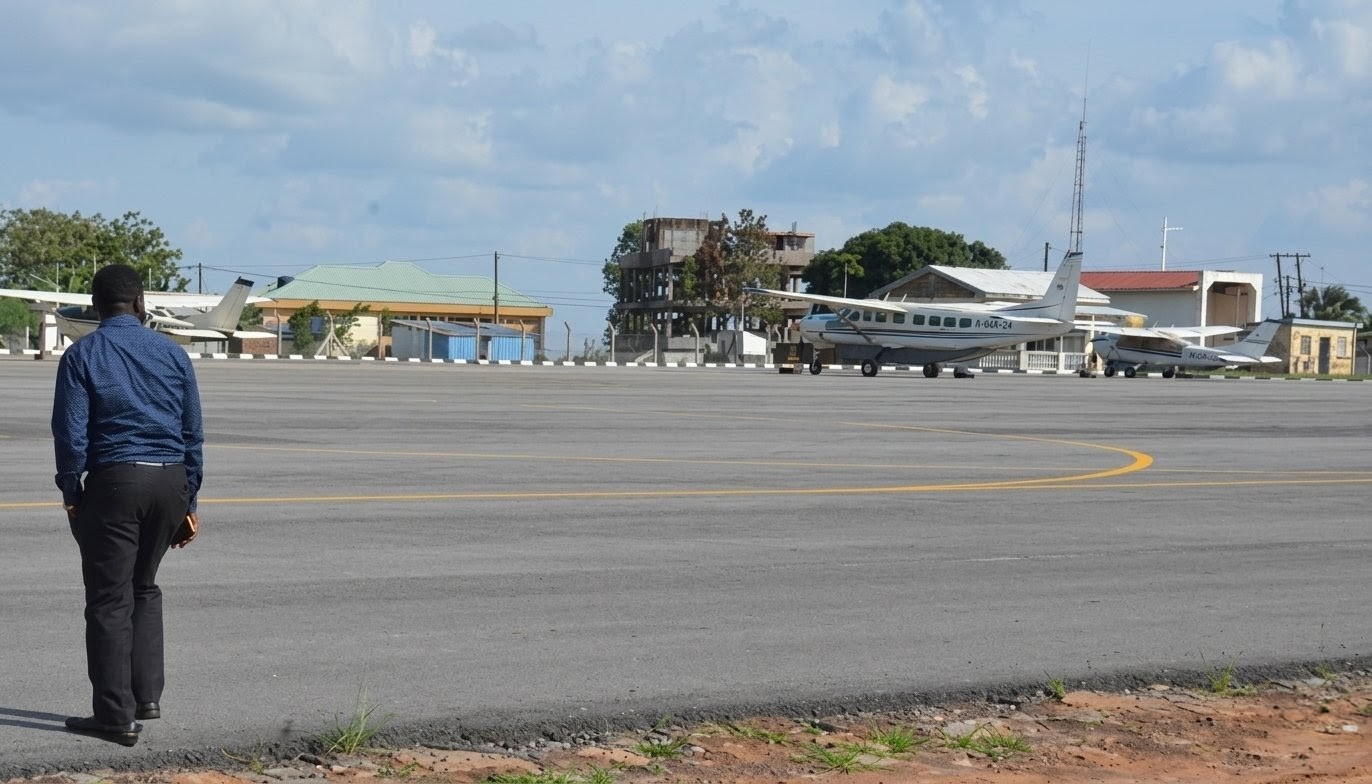
The Board of Directors of the African Development Bank (AfDB) Group has approved €155.99 million (approximately Shs650 billion) to finance the transformation of Arua Airport into an international-standard aviation hub, a landmark investment expected to reshape trade, logistics, tourism, and regional connectivity across Uganda’s West Nile region.
Announced on June 18, 2026, the funding will support Phase One of the Uganda Airports Development Programme, enabling the modernization of the current Arua Airport from a domestic airfield into a fully-fledged international facility capable of handling wide-body passenger and cargo aircraft. The project is expected to position Arua as a strategic gateway linking Uganda to neighboring markets in the Democratic Republic of Congo and South Sudan.
The investment addresses longstanding infrastructure constraints that have limited the airport’s growth despite its strategic location. Situated approximately 450 kilometers northwest of Kampala, Arua Airport lies just 19 kilometers from the DRC border and 32 kilometers from South Sudan. Although operating with limited facilities, it has consistently ranked as Uganda’s second-busiest domestic airport after Entebbe, recording an average of about 180 aircraft movements each month.
“This project is about more than an airport,” said Mike Salawou, Director for Infrastructure and Urban Development at the AfDB Group. “It is about connecting people to opportunity, opening new markets for businesses, supporting tourism, and strengthening Uganda’s role as a regional trade and logistics hub.”
At the heart of the project is a comprehensive upgrade that will elevate Arua from a Code 3C aerodrome to a Code 4E aviation facility, allowing it to accommodate large commercial aircraft, including long-haul passenger and cargo operations. The development includes a new 3.5-kilometer paved runway, expanded aprons and taxiways, a modern passenger terminal capable of handling up to 700,000 travelers annually, and a dedicated cargo complex with a projected annual capacity of 25,000 tonnes.
The cargo facility will incorporate cold-chain infrastructure designed to support exports of perishable agricultural products, while a new air traffic control tower, advanced navigation systems, airfield lighting, and climate-resilient security infrastructure will strengthen operational efficiency and safety standards.
The total cost of the first phase is estimated at €157.76 million, with the financing structured through multiple funding windows. The AfDB will provide €141.15 million through a market-rate loan, while the African Development Fund (ADF) will contribute €14.84 million through concessional financing. The Government of Uganda will provide an in-kind contribution valued at €1.77 million.
Implementation will be led by the Uganda Civil Aviation Authority under the supervision of the Ministry of Works and Transport. Environmental and social safeguard frameworks, including stakeholder engagement and environmental management plans, have already been prepared ahead of project execution.
Beyond aviation infrastructure, the development is expected to deliver substantial economic benefits across the region. The project will directly serve more than 500,000 residents of Arua City and District while strengthening economic opportunities for an estimated 3.3 million people across the wider West Nile sub-region. Construction activities are projected to create at least 500 direct jobs, with a dedicated skills-development component providing technical training to at least 100 young Ugandans in civil engineering, aviation management, and heavy equipment operations.
The upgraded airport is also expected to accelerate cross-border trade by reducing transportation costs and improving access to regional and international markets. Agricultural producers, mining operations, including those linked to the nearby Kibali Gold Mine, and humanitarian organizations operating across the border region are expected to benefit from enhanced logistics capacity.
Tourism stakeholders are similarly expected to gain from improved access to northwestern Uganda’s national parks, wildlife reserves, and cultural attractions, potentially increasing visitor arrivals and investment in hospitality services throughout the region.
Strategically, the project will provide Uganda with a second international aviation gateway capable of supporting commercial operations during disruptions at Entebbe International Airport, strengthening national aviation resilience and emergency response capacity.
With board approval secured, the project now moves into the implementation phase, including the finalization of financing agreements, procurement processes, and contractor mobilization.
“This funding is a significant development for Uganda,” said Fred Bamwesigye, Director General of the UCAA. “It will strengthen our aviation infrastructure, maximize cross-border connectivity, and stimulate social and economic transformation across the West Nile region.”
The approval marks one of the largest aviation infrastructure investments in Uganda’s recent history and signals growing confidence in Arua’s emergence as a critical trade, logistics, and transport gateway for East and Central Africa.
