
Uganda’s ambassadors and heads of missions abroad have been tasked with delivering measurable economic results, including attracting investors, expanding exports, and increasing tourism receipts, with government warning that future funding for foreign missions will be tied to performance.
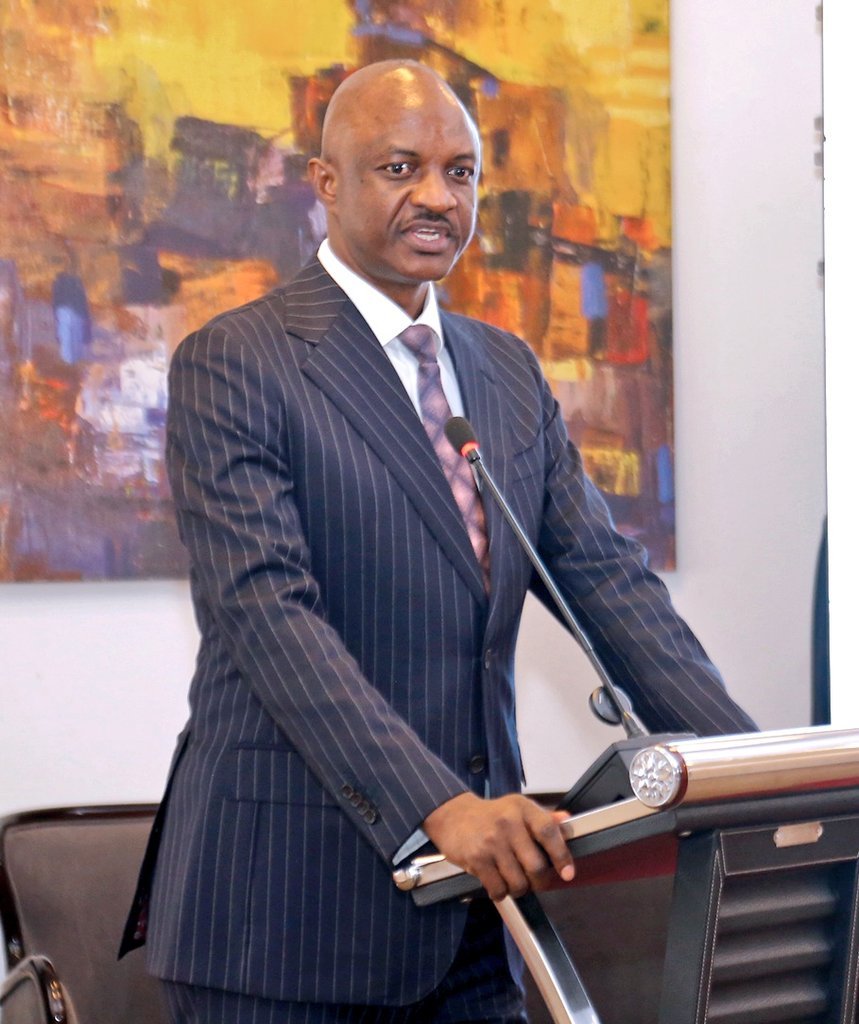
The directive was issued by Ramathan Ggoobi, the Permanent Secretary and Secretary to the Treasury (PSST) at the Ministry of Finance, Planning and Economic Development (MoFPED), during a strategic retreat for the Regional Economic Cooperation Department of the Ministry of Foreign Affairs held at Mestil Hotel in Kampala.
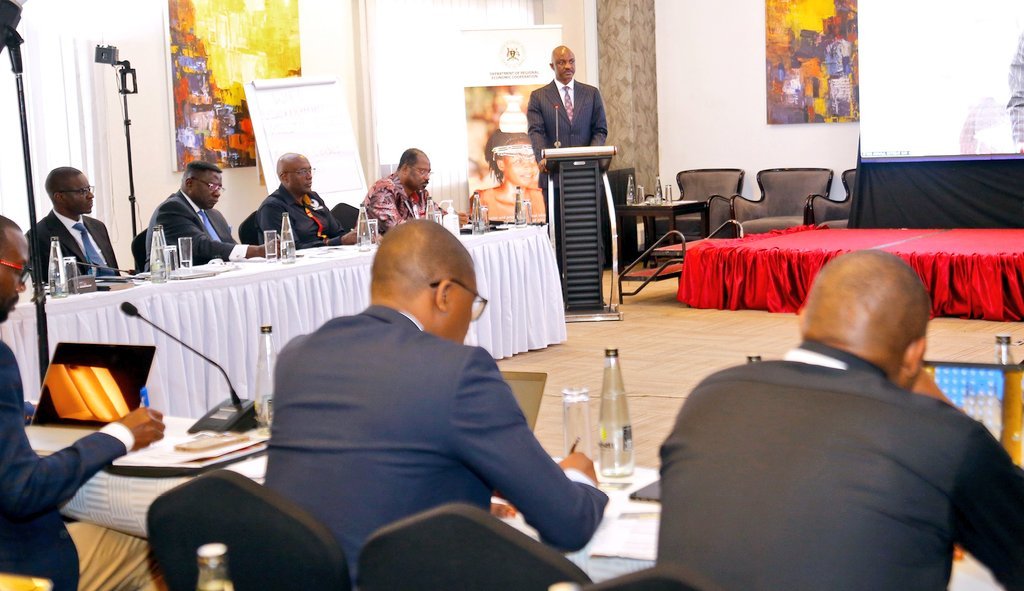
Dr. Ggoobi said Uganda’s diplomatic missions must move away from traditional protocol-driven engagements and become active platforms for advancing the country’s economic interests as government pursues its Tenfold Growth Agenda to grow the economy to $500 billion.
“Economic diplomacy is no longer a polite supplement to political duties; it is the frontline of Uganda’s economic transformation,” Dr. Ggoobi said.
Under the new approach, foreign missions will be assessed on their ability to attract Foreign Direct Investment (FDI), promote Ugandan exports, bring in tourists, and generate foreign exchange for the economy.
Dr. Ggoobi said diplomats must develop stronger skills in trade analytics, investment sourcing, and investor aftercare to ensure opportunities identified abroad translate into actual economic benefits for Uganda.
“Success” for missions will no longer be measured by the number of diplomatic engagements held, but by tangible outcomes, including the value of investments secured, export volumes achieved, tourism numbers generated, and financial receipts delivered.
The Treasury also indicated that budget allocation for foreign missions will increasingly depend on demonstrated performance, with funding priorities linked to verifiable economic returns.
The shift represents a significant change in how Uganda views its diplomatic network, positioning embassies as strategic economic centres responsible for supporting trade, investment, and market access.
Vincent Bagiire, the Permanent Secretary at the Ministry of Foreign Affairs, welcomed the closer working relationship between his ministry and MoFPED, saying coordination would be critical in implementing the new economic diplomacy agenda.
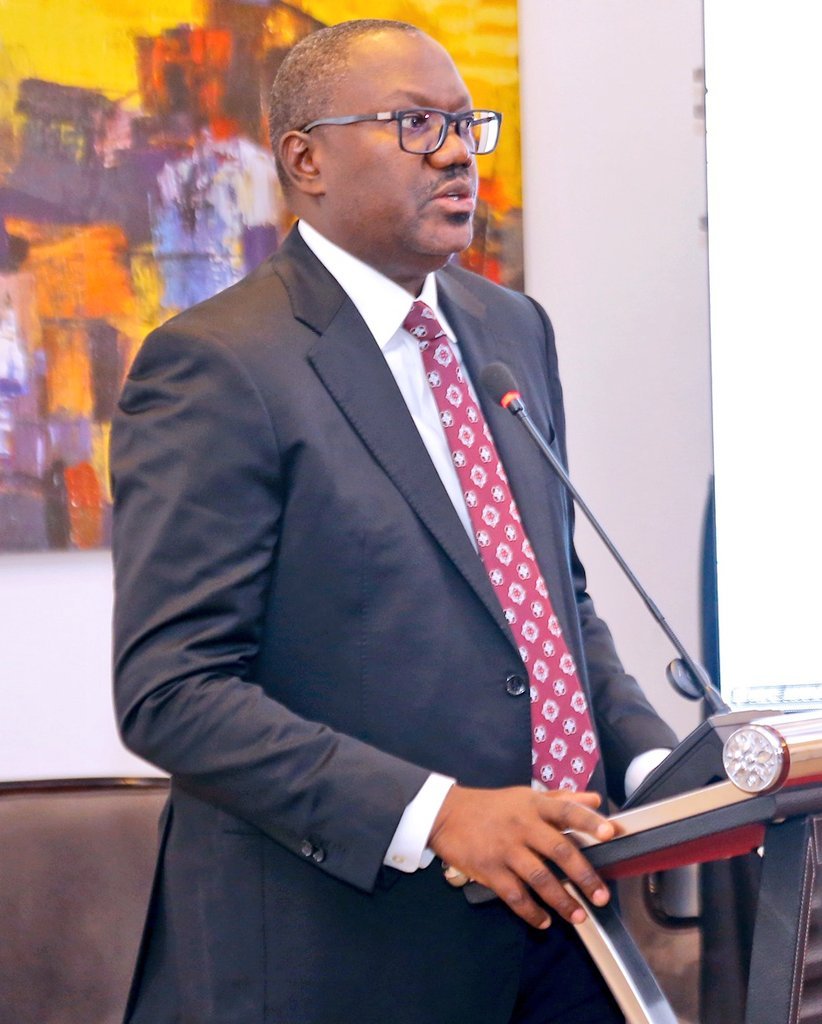
The retreat, held under the theme “Setting the National Context: ECD in Uganda’s Tenfold Growth Agenda,” brought together officials to discuss how Uganda’s foreign engagement can support its long-term economic transformation goals.
The government’s renewed focus on economic diplomacy comes as Uganda seeks to mobilise domestic and international capital, expand value-added exports, attract investors, and create jobs to support its ambition of becoming a $500 billion economy.
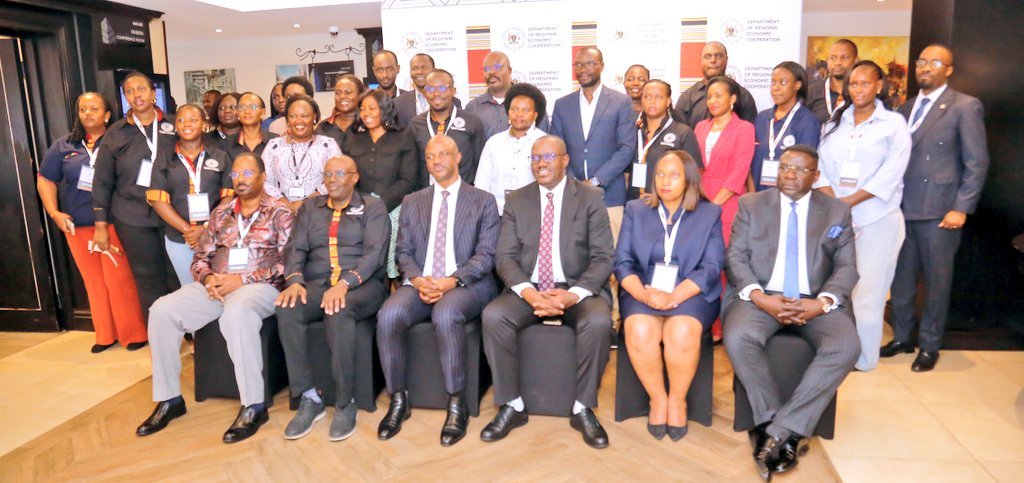
However, implementing the new mandate will require foreign missions to strengthen their capacity in investment promotion, market intelligence, and business engagement, areas that traditionally fall outside conventional diplomatic training.
With the new performance-based approach, Uganda’s diplomats are now expected to play a more direct role in driving economic growth, with their success increasingly measured by the investments, markets, and opportunities they help create.
