
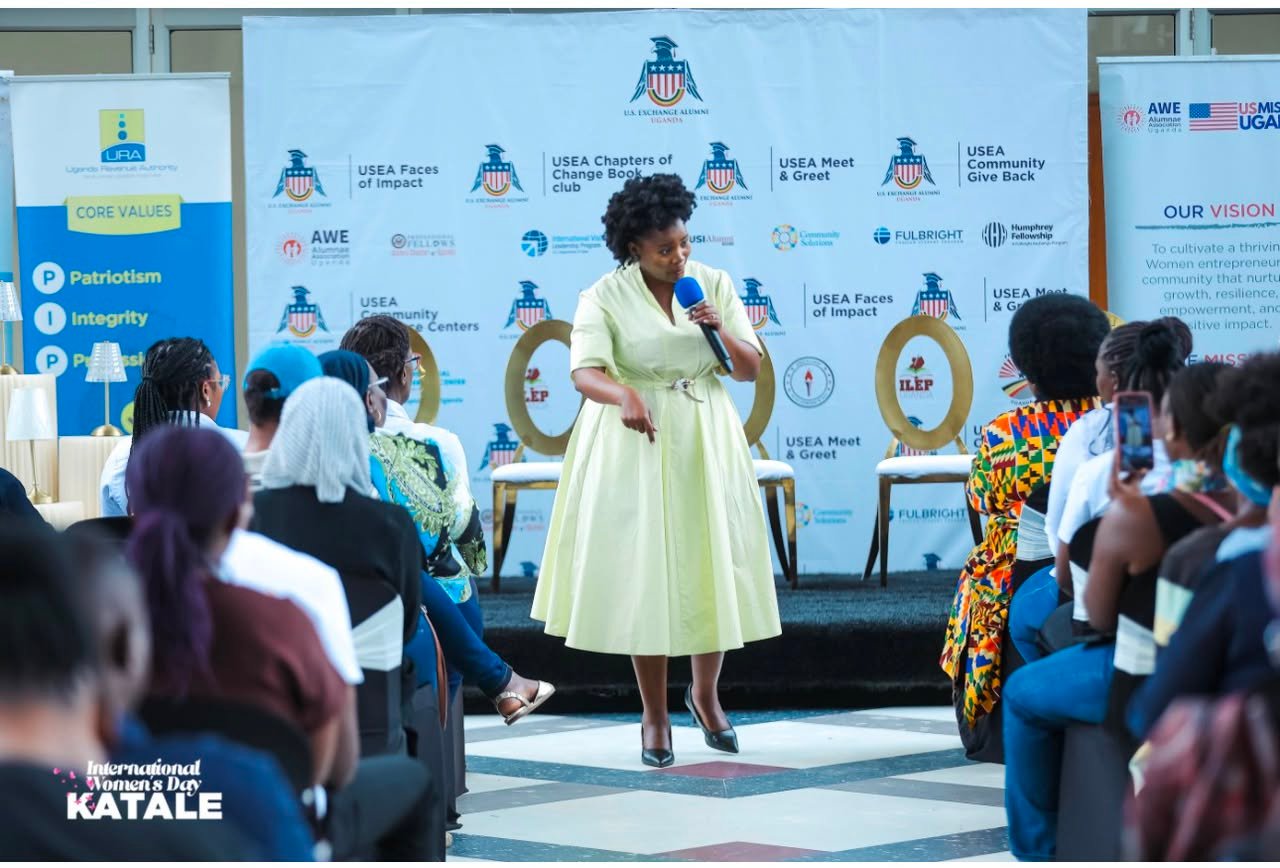
Women-owned businesses contribute significantly to Uganda’s economy, yet many entrepreneurs continue to face barriers that limit growth beyond small-scale operations. Access to finance, business management skills, market opportunities, and long-term planning remain persistent challenges for women seeking to build sustainable enterprises.
It is against this backdrop that Tunda She Traders Katale Edition 4 brings together entrepreneurs, financial experts, investors, and business leaders to explore a critical question, What does it take to build a business that survives, grows, and creates lasting impact?
The event provides a platform for practical conversations on entrepreneurship, financial resilience, investment readiness, and wealth creation. Through engagements with industry leaders and experienced entrepreneurs, participants gain access to the knowledge, networks, and opportunities needed to transform small ventures into thriving enterprises.

At a time when women are increasingly taking charge of their economic futures, such conversations have never been more important. Across Uganda, women are launching businesses, creating jobs, and supporting households. But many enterprises generate enough income to survive but not enough to grow. The challenge lies in building businesses that can withstand uncertainty and create lasting value.
For Rachel M. Senyondo, Head of HNI Business Unit at Prudential Uganda, sustainable entrepreneurship begins with long-term thinking.
“The greatest lesson I have learned is that wealth is built intentionally, not accidentally. Income alone does not create wealth. Wealth is created when people consistently save, invest, protect what they have built, and make decisions with the future in mind.”
Rachel believes financial literacy, savings, and risk management are essential ingredients for business success.
“Throughout my career in banking, insurance, and financial services, I have seen that the most financially successful people are not always the highest earners. They are the ones who practice discipline, think long-term, and understand the power of consistency.”
Access to finance remains another major challenge for women-owned enterprises. While many entrepreneurs have innovative ideas and growing customer bases, obtaining capital to expand often remains out of reach.
According to Beatrix Kyosiga, Investment Officer for Women and Youth at Uganda Development Bank, bridging this gap requires more than financing alone.
“Capital is powerful, but when you combine it with guidance and structure, that’s when transformation happens.”
She emphasizes the importance of record-keeping, strategic planning, and understanding market opportunities.
“You don’t need to start big, but you need to think big early. Formalize your business. Keep simple but consistent records. That’s what builds credibility when you’re ready for financing.”
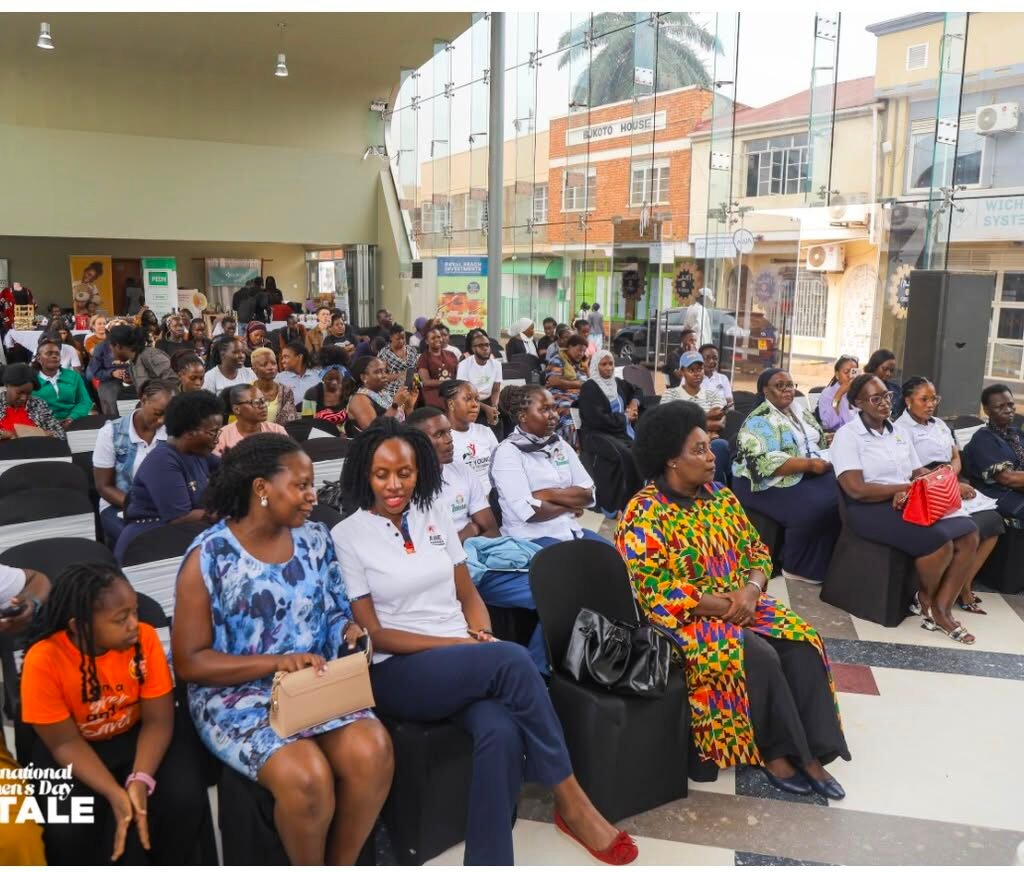
As Uganda pursues inclusive economic growth, initiatives such as Tunda She Traders are helping ensure women entrepreneurs are not left behind. By connecting business owners with experts, investors, and mentors, the platform is creating pathways to sustainable growth, stronger communities, and lasting economic empowerment.
