
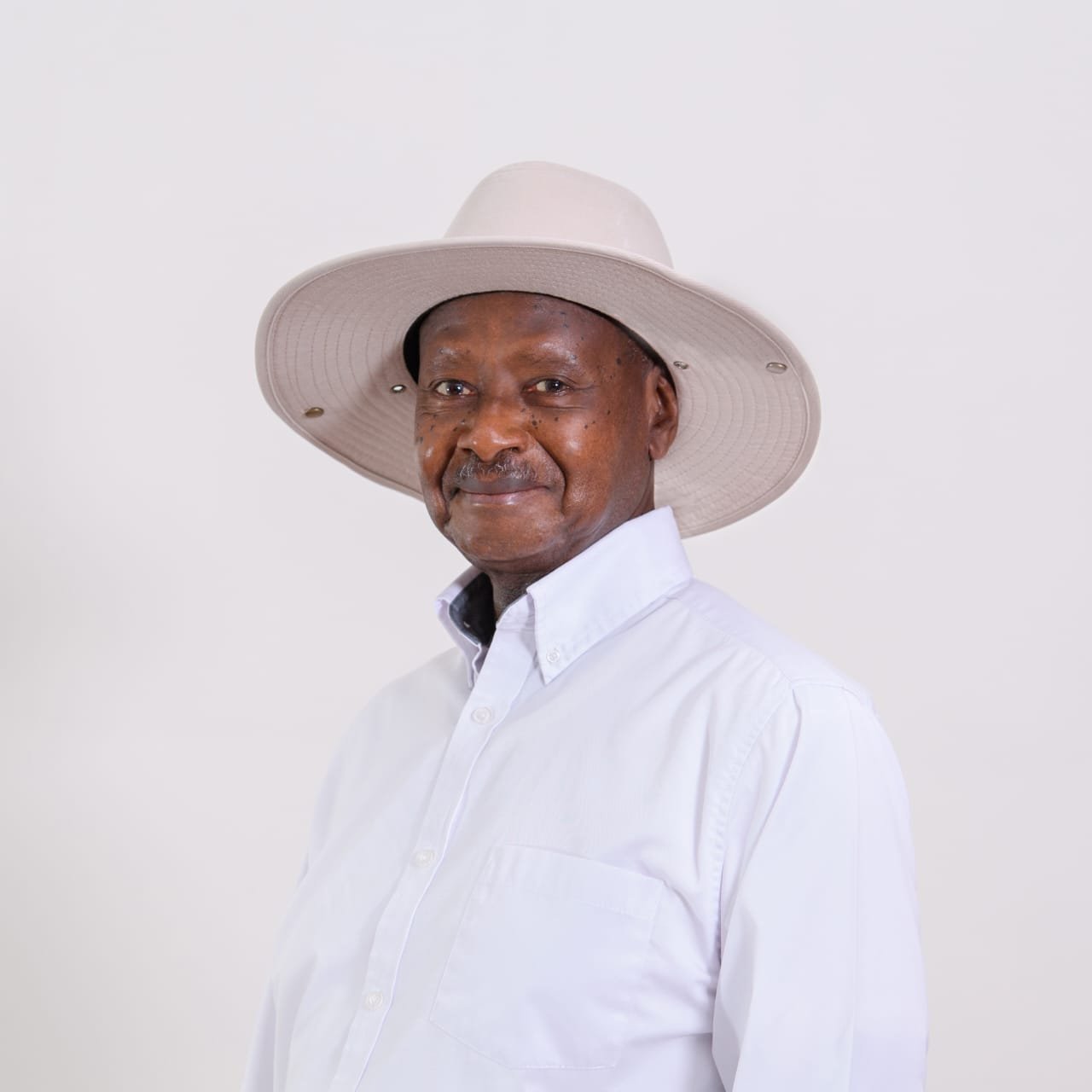
President Yoweri Kaguta Museveni has unveiled a major Cabinet reshuffle, introducing fresh faces into some of Uganda’s most powerful ministries while retaining key figures at the top of government.
The changes, announced on 26 May 2026 through an official Presidential Press Unit (PPU) release, signal a strategic political and economic reset as Uganda navigates rising public debt, high lending rates, oil sector expectations, regional trade expansion, and growing pressure to accelerate service delivery.
While the presidency maintained continuity in the country’s top leadership structure, several influential economic, security, and social service ministries received new leadership in what analysts see as one of the most consequential executive reorganisations in recent years.
The reshuffle appears carefully designed to balance political stability with execution-focused governance ahead of Uganda’s next phase of economic transformation.
Continuity at the Top
The President retained several senior leaders at the core of government, reinforcing institutional stability and continuity in the administration’s broader direction.
| Position | Previous Holder | New Appointment | Status |
|---|---|---|---|
| Vice President | Jessica Rose Epel Alupo | Jessica Rose Epel Alupo | Retained |
| Prime Minister | Robinah Nabbanja | Robinah Nabbanja | Retained |
| 1st Deputy Prime Minister & Minister for EAC Affairs | Rebecca Kadaga | Rebecca Kadaga | Retained |
| 2nd Deputy Prime Minister | Gen. Moses Ali | Dr. Crispus Walter Kiyonga | New |
| 3rd Deputy Prime Minister | Lukia Nakadama | Lukia Nakadama | Retained |
The appointment of Dr. Crispus Walter Kiyonga as 2nd Deputy Prime Minister marks one of the biggest changes in the senior leadership structure, replacing long-serving veteran Gen. Moses Ali.
Major Changes in Key Ministries
The most significant reshuffle occurred in ministries directly tied to Uganda’s economy, oil sector, governance, infrastructure, and national administration.
| Ministry | Outgoing Leader | New Appointment |
|---|---|---|
| Finance, Planning & Economic Development | Matia Kasaija | Henry Musasizi |
| Energy & Mineral Development | Ruth Nankabirwa | Dr. Monica Musenero Masanza |
| Health | Dr. Jane Ruth Aceng | Dr. Chris Baryomunsi |
| Defence & Veterans Affairs | Jacob Oboth-Oboth | Kiryowa Kiwanuka |
| Foreign Affairs | Gen. Jeje Odongo | Amb. Adonia Ayebare |
| Justice & Constitutional Affairs | Norbert Mao | Norbert Mao (Retained) |
| Internal Affairs | Kahinda Otafiire | Prof. Ephraim Kamuntu |
| Gender, Labour & Social Development | Betty Amongi | Lt. Gen. Henry Tumukunde Kakurugu |
| Public Service | Wilson Muruli Mukasa | Gen. Katumba Wamala |
| Trade, Industry & Cooperatives | Francis Mwebesa | Sanjay Tanna |
| Works & Transport | Gen. Katumba Wamala | Fred Byamukama |
| Attorney General | Kiryowa Kiwanuka | Sam Mayanja |
| ICT & National Guidance | Chris Baryomunsi | Dr. Jane Ruth Aceng Ocero |
Several ministers retained influential portfolios, including Janet Kataha Museveni at Education and Sports, Frank Tumwebaze at Agriculture, Judith Nabakooba at Lands, and Minsa Kabanda at Kampala Capital City.
Economic Ministries Under Fresh Leadership
The appointments of Henry Musasizi to Finance and Dr. Monica Musenero to Energy are expected to attract the closest attention from investors and the private sector.
Musasizi assumes control of the Finance Ministry at a time when Uganda faces mounting domestic debt pressures, high commercial lending rates, and persistent concerns over private sector access to affordable credit. Businesses will closely watch whether the new Finance leadership can ease the cost of borrowing, stabilize the Shilling, and improve fiscal discipline.
Dr. Monica Musenero takes charge of the Energy Ministry during a decisive phase for Uganda’s oil ambitions. Her ministry will oversee key energy infrastructure projects and final preparations toward commercial oil production linked to the East African Crude Oil Pipeline (EACOP).
The appointments suggest a stronger technocratic orientation in sectors viewed as central to Uganda’s next growth cycle.
Military Influence Expands in Civilian Roles
One of the clearest patterns emerging from the reshuffle is the increased presence of senior military-linked figures in civilian ministries.
Gen. Katumba Wamala moved to Public Service, while Lt. Gen. Henry Tumukunde Kakurugu was appointed Minister of Gender, Labour and Social Development. Hon. Fred Byamukama simultaneously stepped up to take over the Ministry of Works and Transport, completing one of the Cabinet’s most notable administrative transitions.
Analysts interpret this as a sign that the administration wants stricter implementation, discipline, and operational efficiency across government institutions.
The appointment of Kiryowa Kiwanuka to Defence also places a legal and governance-oriented figure at the center of Uganda’s security establishment.
Political Balancing and Broader Inclusion
The reshuffle also reflects continued political accommodation within government.
The retention of Norbert Mao at Justice and Constitutional Affairs reinforces the administration’s effort to maintain broad political alliances beyond the ruling party.
At the same time, the elevation of figures like Sanjay Tanna and Balaam Barugahara suggests a deliberate attempt to blend private sector experience, political mobilization, and administrative execution.
What the Changes Mean for Uganda
For businesses, the reshuffle creates both opportunity and uncertainty.
New ministers may accelerate reforms in trade, infrastructure, energy, and investment policy. However, transitions often slow project approvals and policy implementation in the short term as ministries reorganize leadership structures and priorities.
The reshuffle comes as Uganda intensifies efforts toward:
- Commercial oil production
- Regional trade expansion under the EAC and AfCFTA
- Infrastructure modernization
- Industrialisation and value addition
- Digital transformation
Success will depend on whether the new Cabinet can deliver faster implementation, improve coordination, and respond to growing economic pressures facing businesses and households.
The Bottom Line
President Museveni’s latest Cabinet reshuffle is more than a political rotation. It represents an execution-focused realignment aimed at preparing Uganda for its next economic phase.
By retaining core leadership while introducing fresh faces in finance, energy, trade, defence, and public administration, the President appears to be prioritising stability at the top while demanding stronger delivery across critical sectors.
The coming months will reveal whether the new team can translate these changes into faster economic growth, improved governance, and stronger confidence from investors and the private sector.
