
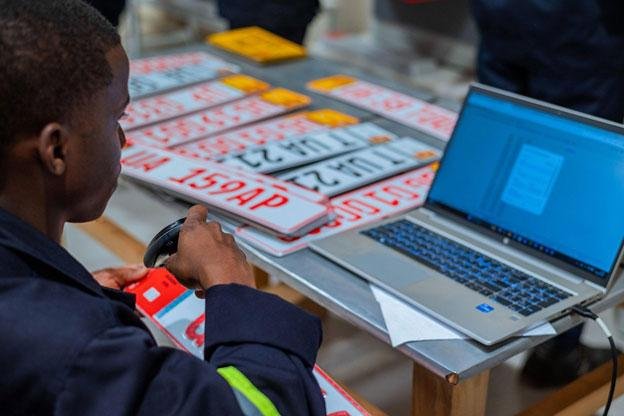
Parliament has launched an investigation into persistent delays in the issuance of Uganda’s digital number plates, with lawmakers estimating that the disruption is costing the economy more than Shs4 billion every week.
The Committee on Physical Infrastructure, chaired by Mbarara City South MP Mwine Mpaka, began its fact-finding mission on Wednesday following complaints from motor vehicle dealers and other transport-sector stakeholders over shortages, administrative delays and the high cost of the new plates. Mpaka said the committee had been informed that daily production of the plates had fallen from about 350 to 100, contributing to a widening backlog and losses across the automotive industry.
“It has now come to our attention that we are losing over Shs4 Billion per week because of these delays in digital number plates,” Mpaka told stakeholders.
The committee intends to establish the causes of the supply disruption, examine the responsibilities of the agencies involved, and assess the wider economic impact of the delays. Mpaka also said the committee would seek an engagement with President Yoweri Museveni through the Speaker of Parliament to obtain guidance on resolving the impasse.
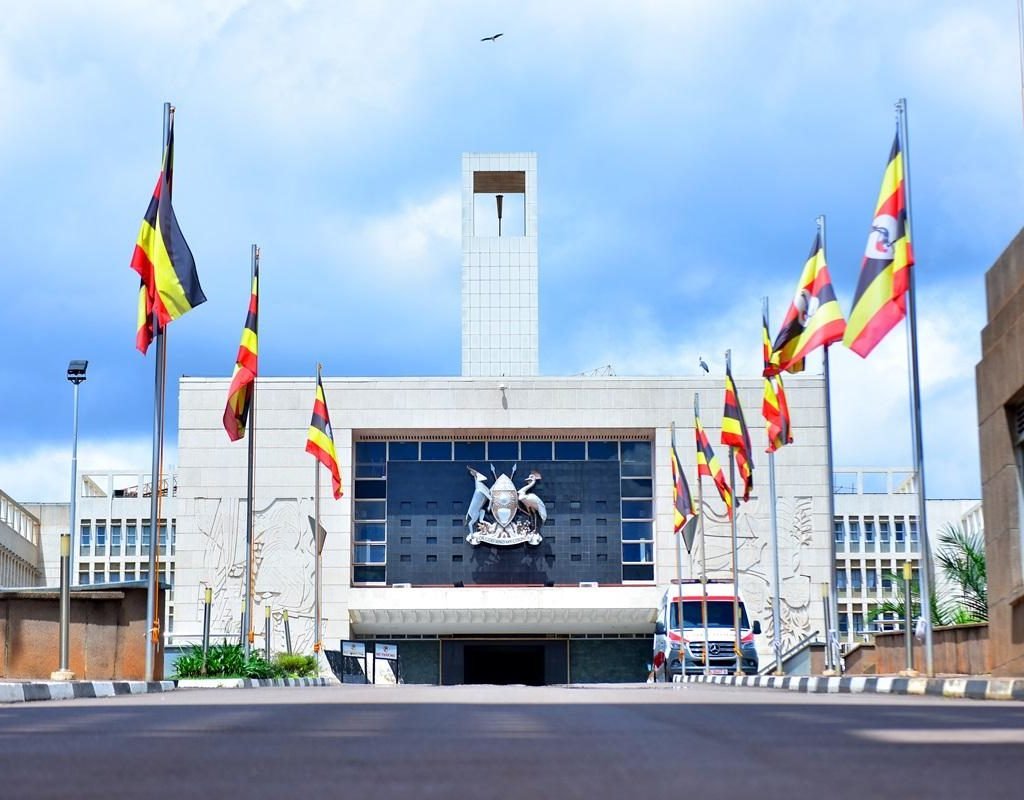
The investigation follows growing frustration among motor vehicle dealers, who say the shortage is disrupting sales and damaging relationships with customers. Representatives of the Kampala City Traders Association (KACITA) told the committee that customers are placing orders and paying deposits for vehicles before waiting weeks or months for number plates. Some customers subsequently abandon their purchases, leaving dealers with unsold stock and financial losses.
KACITA also questioned whether the current service provider has sufficient capacity to maintain stocks of both finished plates and the materials required for production. The cost of the digital plates has emerged as another major concern. The current charge for first-time registration of motor vehicles and motorcycles is Shs714,300, compared with an earlier reported cost of about Shs137,000 for conventional plates.
KACITA says the increase is putting additional pressure on vehicle buyers and contributing to declining sales in the automotive sector.
Motor vehicle dealers have also raised concerns about what they describe as administrative “ping-pong” between the Ministry of Works and Transport, the Intelligent Transport Monitoring System (ITMS) and the Uganda Revenue Authority.
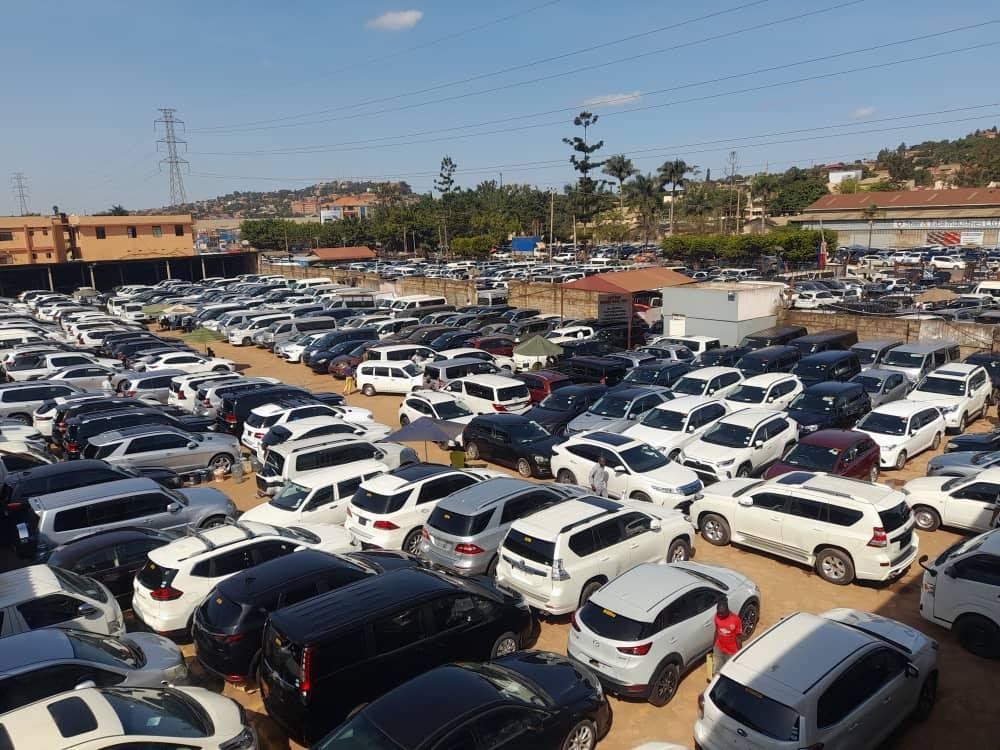
Associated Motor Dealers in Uganda Public Relations Officer Marvin Ayebale called for an integrated process with clear timelines for vehicle registration and plate issuance. He also urged authorities to audit the installation of tracking equipment fitted to vehicles and establish responsibility for any damage caused by the devices.
The digital plates form part of the government’s Intelligent Transport Monitoring System, a security-focused programme designed to improve vehicle tracking, strengthen surveillance and assist law enforcement in combating vehicle-related crime.
The system has already shown results in Kampala, according to officials, but Parliament is now examining whether operational weaknesses in the programme are undermining its wider economic and administrative objectives. The parliamentary scrutiny also comes after an earlier attempt to examine the project was postponed.
In August, the committee summoned officials from the Ministries of Security, Works and Transport, Internal Affairs, and Justice and Constitutional Affairs to account for the implementation, financing, contractual arrangements, fees and other aspects of the ITMS programme. The meeting was deferred after government officials requested additional time to prepare their responses.
The committee is now expected to summon the responsible government agencies and the contracted service provider, Joint Stock Company Global Security, for further questioning. Lawmakers are expected to examine the provider’s production capacity, the availability of manufacturing materials, the causes of the delays and the systems used to coordinate registration and issuance.
The committee’s investigation is expected to run for about three weeks, according to Mpaka, with lawmakers seeking explanations from the relevant government agencies and the private contractor. For vehicle dealers, the issue is no longer limited to an administrative delay.
Every week of disruption means vehicles remain in stock, customers remain unable to complete purchases and businesses face mounting financial pressure. For government, the investigation presents a broader question: whether a programme introduced to strengthen vehicle security and law enforcement is being undermined by weaknesses in its implementation.
Parliament’s task now is to establish where the breakdown is occurring, who is responsible, and what measures are required to restore a reliable supply of digital number plates. Until those questions are answered, the cost of the delays will continue to extend beyond motorists to Uganda’s wider automotive and transport economy.
