
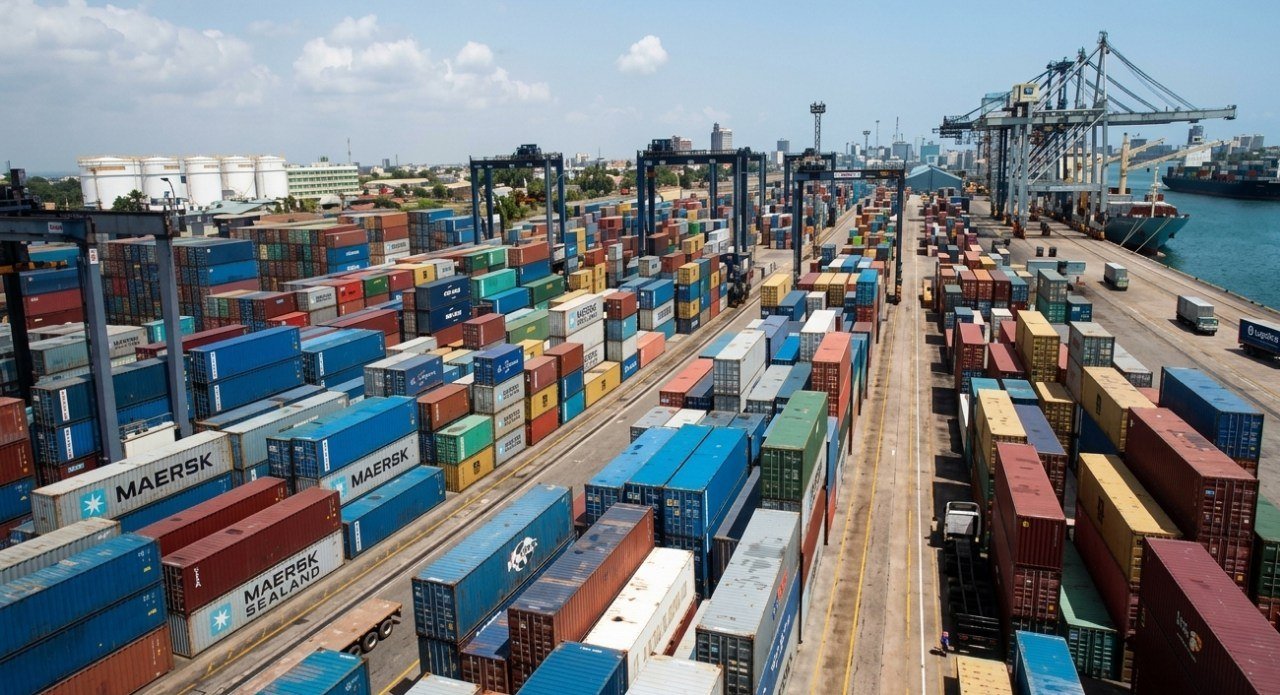
A major shift is reshaping East Africa’s trade landscape. Tanzania has officially overtaken both China and Kenya to become Uganda’s largest source of imports, signaling a new era in regional commerce and supply chain dynamics.
According to the latest Uganda Revenue Authority (URA) Annual Databook, Uganda’s total import bill reached Shs56.8 trillion. Tanzania alone accounted for Shs12.46 trillion, representing nearly 22% of all imports into Uganda. China followed with Shs10.92 trillion, while Kenya ranked third at Shs4.39 trillion.
The scale of the transformation is remarkable. Just four years ago, in the 2021/22 financial year, imports from Tanzania stood at only Shs1.12 trillion. Since then, trade volumes have surged by more than 1,000%, making Tanzania Uganda’s fastest-growing major trade partner.
Gold Trade Driving the Shift
The biggest driver behind this surge is gold and precious metals.
Uganda has rapidly positioned itself as a regional gold refining hub, with 10 operational refineries and gold exports that have now hit US$7.48 billion. To support this refining industry, Ugandan companies are importing large quantities of raw gold from Tanzania’s mining regions for processing and re-export.
This growing mineral trade is transforming regional commerce and strengthening economic ties between Kampala and Dar es Salaam.
The shift also reflects the advantages of regional sourcing. Importing from neighboring Tanzania reduces reliance on long-distance shipping routes, lowers transport costs, and protects businesses from global supply chain disruptions that often affect trade with Asia.
However, the rapid increase in imports also creates pressure on Uganda’s foreign exchange reserves, as companies require large amounts of US dollars to finance these transactions.
China and Kenya Lose Ground
While Tanzania’s trade with Uganda has expanded aggressively, imports from China and Kenya have grown at a slower pace.
China remains a major supplier of machinery, electronics, and industrial goods, but businesses are increasingly reconsidering the full cost of importing from distant markets, especially amid rising freight costs and global supply chain uncertainty.
Kenya, once Uganda’s dominant trade partner, has seen its relative influence decline as Tanzania strengthens transport infrastructure and trade connectivity through the Central Corridor linking Dar es Salaam to Uganda.
Improved road networks, logistics systems, and border efficiency have made Tanzania increasingly attractive for Ugandan importers and manufacturers.
What This Means for Businesses
For Ugandan businesses, the shift creates both opportunities and risks.
Logistics companies, transporters, warehouse operators, gold refiners, and businesses operating along the Mutukula corridor stand to benefit significantly from rising trade volumes. Increased movement of goods is likely to stimulate regional banking, customs clearing, and cross-border commerce.
At the same time, dependence on a single country for such a large share of imports creates vulnerabilities. Any policy changes in Tanzania, especially around mining exports, taxes, or border procedures, could quickly affect supply chains in Uganda.
Businesses that continue relying solely on older import routes through Kenya or overseas suppliers may also face growing competitive pressure from firms adapting faster to the new regional trade environment.
A Bigger Regional Economic Shift
The rise of Tanzania reflects a broader shift toward stronger intra-African trade integration.
For Uganda, the lesson is becoming increasingly clear: regional supply chains are gaining importance, and value addition is becoming central to economic growth. Uganda’s success in gold refining demonstrates how importing raw materials and exporting higher-value finished products can strengthen industrial capacity and increase export earnings.
The challenge now is whether Uganda can replicate this model in other sectors such as coffee, dairy, agriculture, and manufacturing.
As East Africa’s trade map evolves, businesses that adapt quickly to the new regional realities are likely to emerge stronger, faster, and more competitive in the years ahead.
