
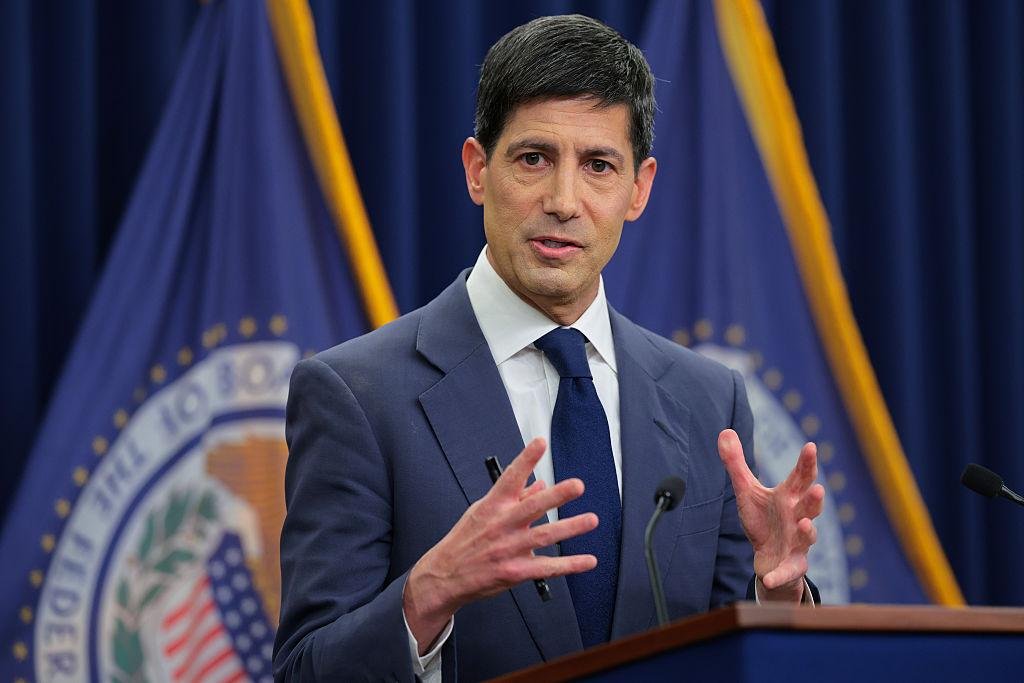
Somewhere in the mountains of Wyoming this Friday, a man named Kevin Warsh will step up to a podium and start talking about payments, policy, and financial innovation. It sounds technical, even boring, if you are not familiar with global finance. But what he says in the next few minutes could quietly influence how much you pay for fuel in Kampala, how expensive imported goods become in Kigali, or how far the shilling stretches the next time you send money home from abroad.
This is not an exaggeration. It is simply how the modern global economy works, and it is worth understanding why.
Why One Man’s Words Carry So Much Weight
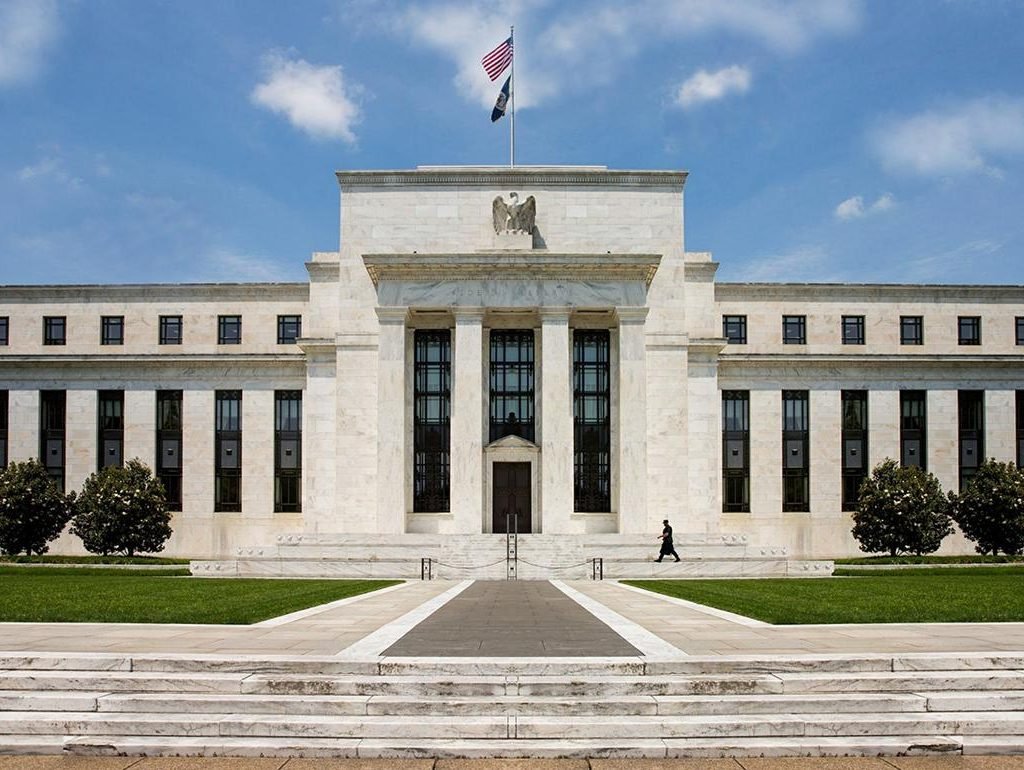
Kevin Warsh is the Chair of the Federal Reserve, the central bank of the United States. His job, alongside the rest of the Fed’s committee, is to decide how expensive it is to borrow money in America by setting interest rates. That might sound like a purely domestic American concern, but the US dollar is not just America’s currency. It is the currency the world uses to trade oil, price commodities, settle international debts, and hold as a safe reserve when things get uncertain elsewhere.
Because of that, when the Fed changes direction, even slightly, money around the world moves. Investors shift billions of dollars in and out of countries within days, chasing better returns or fleeing risk. And right now, the Fed is unusually divided about what to do next. At its last meeting in July, policymakers voted to keep interest rates steady at 3.50% to 3.75%, but three officials wanted to raise rates instead, and several others admitted they were worried inflation could stay high for longer than expected. That kind of open disagreement inside the Fed does not happen often, and it has left markets guessing.
This Friday marks Warsh’s first major public address since taking over as Chair, delivered at the Jackson Hole Economic Policy Symposium, an annual gathering in Wyoming where the world’s most influential central bankers and economists meet to discuss where the global economy is headed. Traditionally, this is where Fed chairs have dropped some of their clearest hints about future policy, which is exactly why the whole financial world will be listening closely, even though the official theme this year is about payments and financial innovation.
What Happens if He Sounds Tough on Inflation
If Warsh signals that the Fed may need to raise interest rates further to control inflation, investors around the world tend to react quickly. Higher US interest rates make it more attractive to hold money in dollars, since it earns a better return there than in many other markets. That pulls investment money toward the United States and strengthens the dollar against other currencies.
What Happens if He Sounds Ready to Ease Up
On the other hand, if Warsh hints that the Fed might cut rates or hold steady for a long time, the opposite tends to happen. The dollar becomes less attractive to hold, investors look elsewhere for better returns, and the currency can weaken.
Right now, the Dollar Index, which tracks the dollar against six major currencies, is sitting around 99, having recovered somewhat from recent lows. Part of that recovery has come from investors seeking safety amid rising geopolitical tensions, including new US sanctions on Iran. But underneath that recovery, there is real uncertainty about US inflation, government borrowing, and long term Treasury yields, which is why the rebound still feels fragile rather than solid.
Why This Is Not Just an American Story
For a country like Uganda, and much of the developing world, the ripple effects can be significant. When the dollar strengthens, it becomes more expensive to import goods priced in dollars, from machinery and fuel to raw materials businesses depend on. Government and private debt owed in dollars also becomes costlier to repay, since more local currency is needed to cover the same dollar amount.
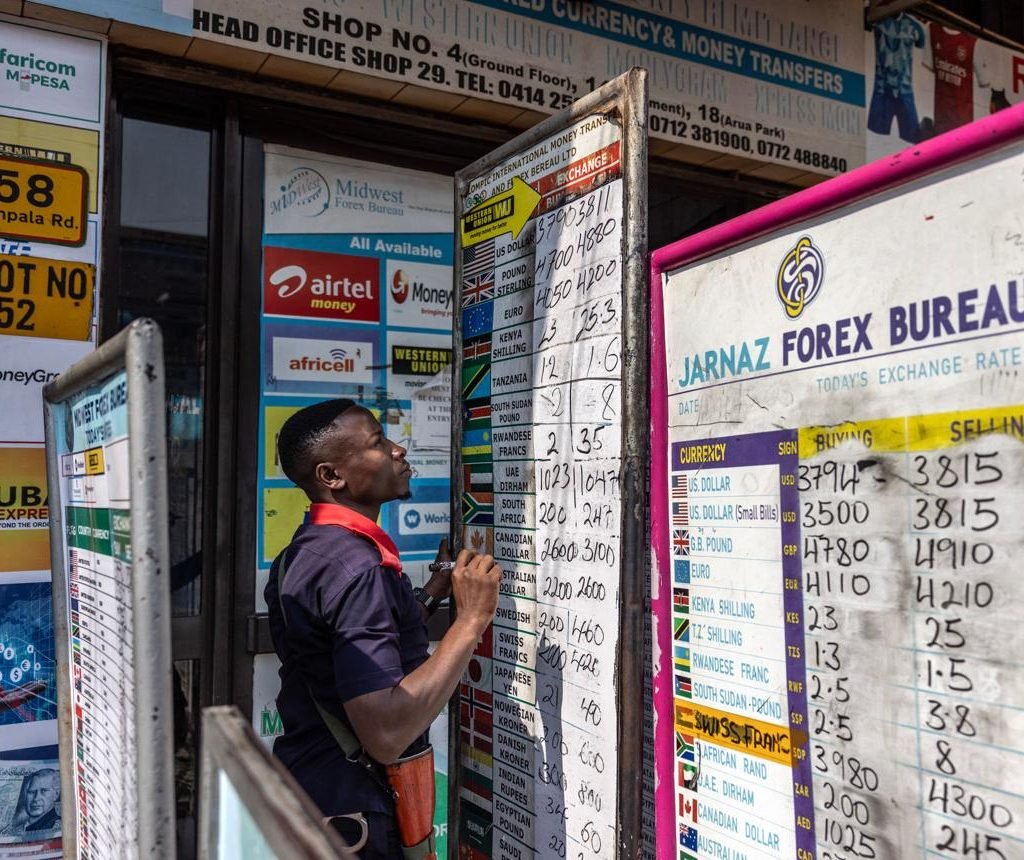
On top of that, when US interest rates rise, global investors often move their money out of emerging markets and into American assets instead, which can put pressure on the shilling and tighten financial conditions locally.
Before Warsh even speaks, fresh US inflation and growth data will be released this week, and markets will study every figure closely for clues. Cooling inflation would support the case for the Fed holding steady. Persistent, sticky inflation would strengthen the argument for tightening policy further, according to Reuters, which reported that markets currently price in roughly a 35% chance of a US rate hike in September, rising to about 66% by December.
A Speech in Wyoming, Felt Thousands of Miles Away
None of this means Ugandans, or anyone outside financial markets, need to track every word Warsh says. But it is worth understanding the chain reaction. A speech in America influences interest rate expectations. Interest rate expectations move the dollar. The dollar’s strength or weakness affects import costs, debt repayments, and investment flows in economies far from Washington, Uganda included.
That is why this Friday’s address is being watched so closely, not just by traders on Wall Street, but by anyone whose daily life is quietly connected to the value of the world’s most powerful currency.
