
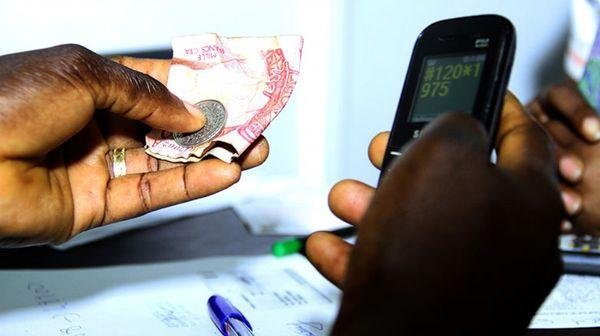
Uganda’s growing reliance on moneylenders and digital credit is exposing a deeper weakness in the country’s financial system: millions of borrowers need money quickly, but affordable formal credit remains out of reach.
The warning was raised by the Forum for Democratic Change (FDC), which says limited access to affordable credit is pushing Ugandans towards moneylenders, mobile lending platforms and asset-financing companies, where expensive repayment terms can leave borrowers trapped in debt.
At an FDC media briefing in Kampala on August 17, FDC Vice Chairperson Robert Centenary said more than half of adult Ugandans had borrowed money in the previous five years, with many turning to lenders outside the traditional banking system.
The party estimates that the registered money-lending sector alone involves about 1,800 licensed lenders and more than Shs1 trillion in annual turnover. The figures are FDC estimates and highlight the scale of demand for credit beyond conventional banking.
The problem is particularly severe for low-income households, informal workers, young people and rural borrowers who may lack the collateral, documented income or credit history required by formal lenders. That gap has created fertile ground for predatory lending.
According to FDC, some borrowers have lost land, homes and livestock after signing documents presented as loan agreements but allegedly structured as property sale agreements. The party argues that such arrangements can make disputes more difficult for borrowers when they default.
Uganda’s regulator, the Uganda Microfinance Regulatory Authority (UMRA), however, makes clear that licensed money lenders should issue borrowers loan agreements rather than sales agreements. UMRA also says licensed lenders are prohibited from using compound interest.
Another area of concern is the use of national identity cards as collateral. Parliament has previously confirmed that demanding or accepting a national ID as collateral for a loan is prohibited. In October 2024, the Minister of State for Internal Affairs, Gen. David Muhoozi, told Parliament that a crackdown in Lira City had resulted in the recovery of 149 national IDs from moneylenders.
The issue has gained renewed urgency as Uganda expands financial inclusion and digital lending. In August 2026, State Minister for Finance in charge of Microfinance Shartsi Kutesa Musherure said the government was considering stronger regulation of digital lending platforms, warning that wider access to credit must be accompanied by stronger consumer protection.
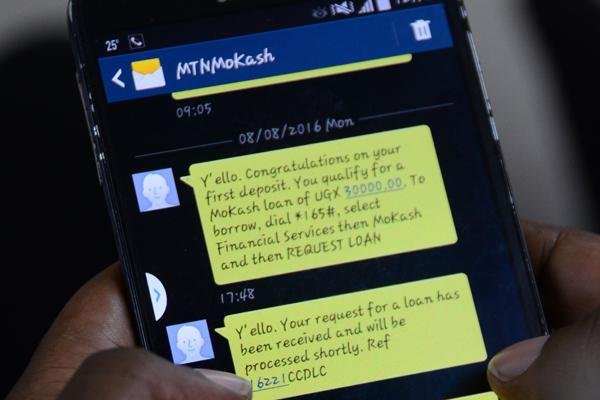
For FDC, enforcement alone will not solve the problem. The party is calling for cheaper credit with fewer collateral requirements, stronger farmer-focused financial institutions, the revival of the Cooperative Bank and capitalised savings and credit structures at parish, sub-county and district levels. It has also proposed a savings and protection scheme for boda-boda riders to reduce their dependence on asset-financing companies.
The debate therefore goes beyond whether moneylenders should be punished.
Uganda’s challenge is how to make legitimate credit accessible enough that desperate borrowers do not have to choose between immediate financial relief and potentially devastating long-term costs. Until that gap is addressed, predatory lenders are likely to continue filling the space left by formal finance.
