
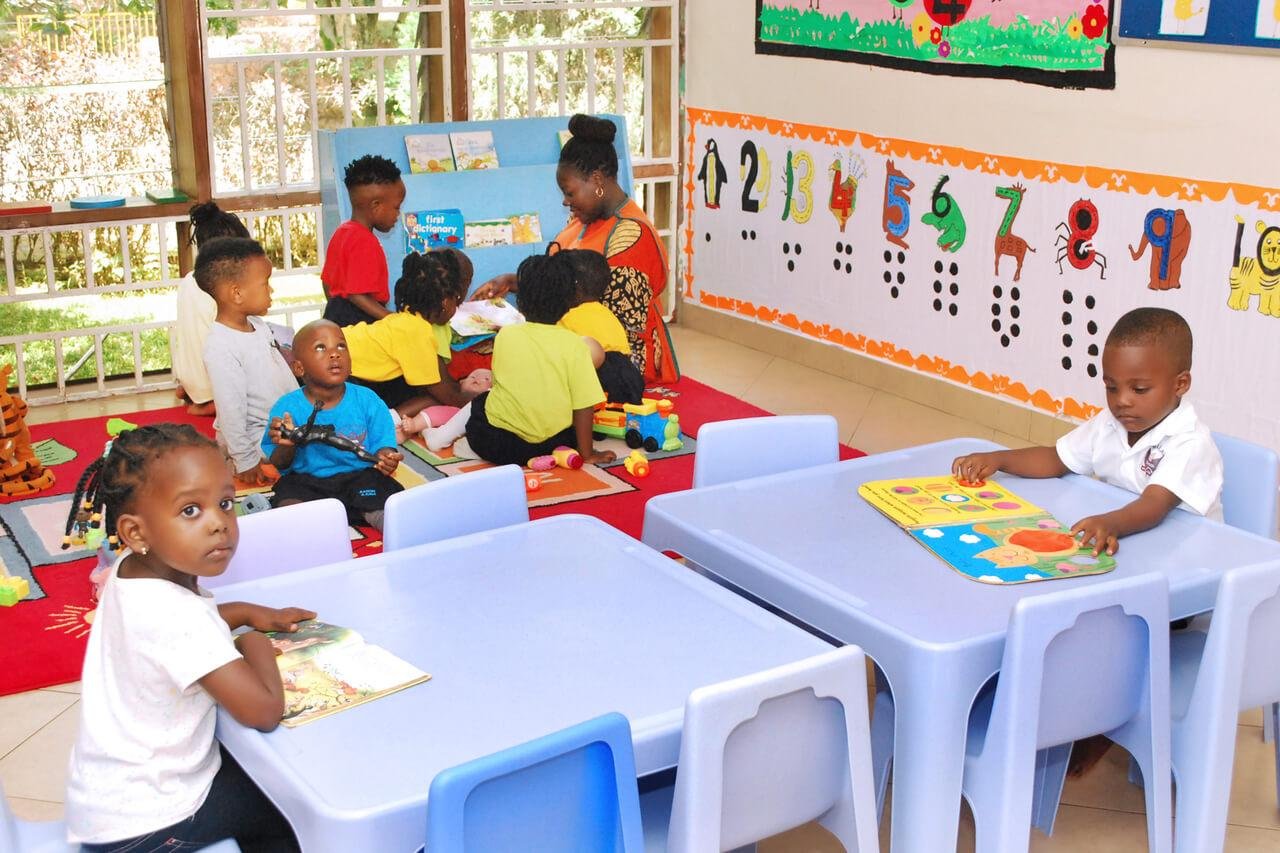
These days, if you take your three-year-old to some of these Kampala nursery schools, you will pay more per term than many students pay per semester for a university degree. Imagine that. Kampala Parents’ School is charging Shs1.85 million per term for kindergarten in 2026. That’s Shs5.55 million a year, and that’s before you even talk about transport, uniform and food. Meanwhile, many university students in Uganda pay well under Shs2 million per semester for their tuition, depending on the course.
So basically, your child’s nursery school can cost more than the degree that will one day make them a professional. Sounds crazy, but that’s where we are.
Now, the comparison isn’t 100% fair, university and nursery are two different things. But it tells you something is happening. Parents aren’t just paying for ABCs anymore. They are paying for time, for safety, for peace of mind. And they are willing to pay whatever it costs.
Parents Simply Don’t Have the Time Anymore
Let’s be honest. Most parents in Kampala nowadays are hustling, both mum and dad are working, traffic is bad, and by the time you leave the office it’s already dark. There is no time left to sit with your toddler the way our parents used to sit with us. Someone has to be at work by 8am, and the child cannot just wait at home for you.
So nursery school has become the solution, not just for education, but for the whole work-life problem.
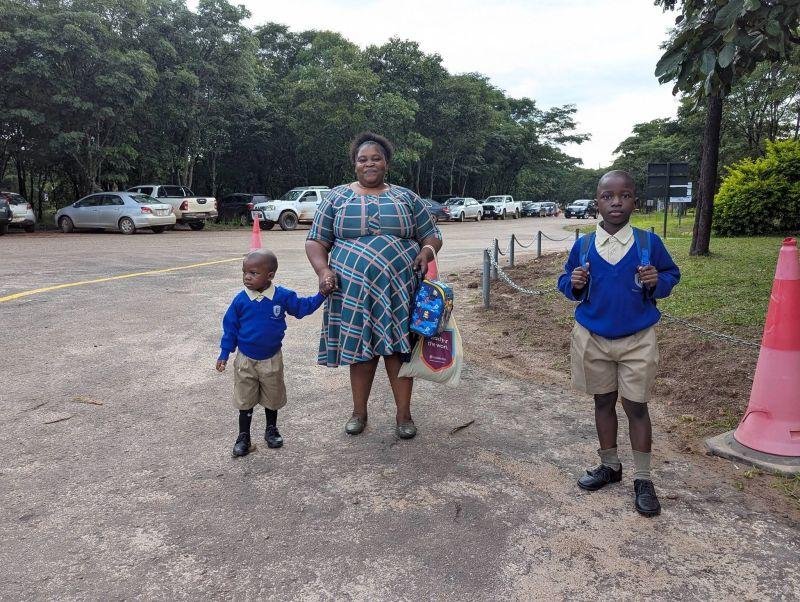
These schools with extended hours, structured pick-up and drop-off, full-day care, they are helping parents keep their jobs without worrying every hour about who is looking after the baby. So really, some of that money you’re paying every term isn’t just school fees. It’s you buying back hours in your day that work has already taken from you.
The Maid Fear Nobody Wants to Talk About
There’s another reason these fees keep going up, and it has nothing to do with books. It’s fear, plain and simple.
Many homes in Uganda depend on maids to help raise the children. But trust has broken down badly, and for good reason. Back in 2014, there was a case that shook the whole country. A couple in Kampala, worried about what was really happening at home while they were at work, secretly put a camera in the house to check on their 18-month-old baby and the maid looking after her. What they found was heartbreaking. The maid, Jolly Tumuhiirwe, was seen force-feeding the baby, slapping her, throwing her on the floor, kicking her, and dragging her out of the room while she looked unconscious. NTV Uganda and other stations covered this story widely, and the video went viral, everyone was talking about it, everyone was angry. Tumuhiirwe was later convicted and sentenced to four years in prison.
That case became something every Ugandan parent quietly remembers. And it wasn’t the only one. Over the years, more stories like this have come out, maids caught on hidden camera mistreating children. Every time it happens, parents ask the same painful question: who is really taking care of my child when I’m not there?
For those who can afford it, nursery school has become the answer to that fear. It’s not just about learning ABCs anymore, it’s a supervised, accountable place, with other adults watching, sometimes cameras too, and a fixed timetable. That feels safer than leaving a small child alone at home with one maid whose behaviour you cannot fully monitor, especially when the child is too young to even tell you what happened.
But Is It Really Worth It?
This is the real question every parent should be asking. It’s not just “is this school expensive?” It’s “am I actually getting something for this money?” Better teachers? Safer supervision? Real development for my child? Or am I just paying for a nice building, a fancy uniform, and bragging rights?
Honestly, it depends on the specific school, and there’s no clear way for a parent to know for sure which one they’re getting. Paying a lot of money doesn’t automatically mean your child is being well looked after. And paying little doesn’t automatically mean neglect either. What that big fee reliably buys you is structure. And for many parents, after everything that’s happened with maids in this country, structure alone feels worth paying for.
The Business Side of All This Fear
Whatever is pushing this demand, whether it’s genuine education, busy work schedules, or fear of what happens behind closed doors, one thing is clear: private schools have built a real business out of it.
In Uganda, private operators dominate early childhood education. According to UNICEF, 76 percent of children in pre-primary education were in private schools in 2019/20, compared to only 20 percent in government schools. A 2023 study found that only 9.1 percent of children nationally are actually enrolled in pre-primary education. That means demand for spaces, especially in the city, is way higher than what’s available. And when demand is that high, schools can charge whatever they want.
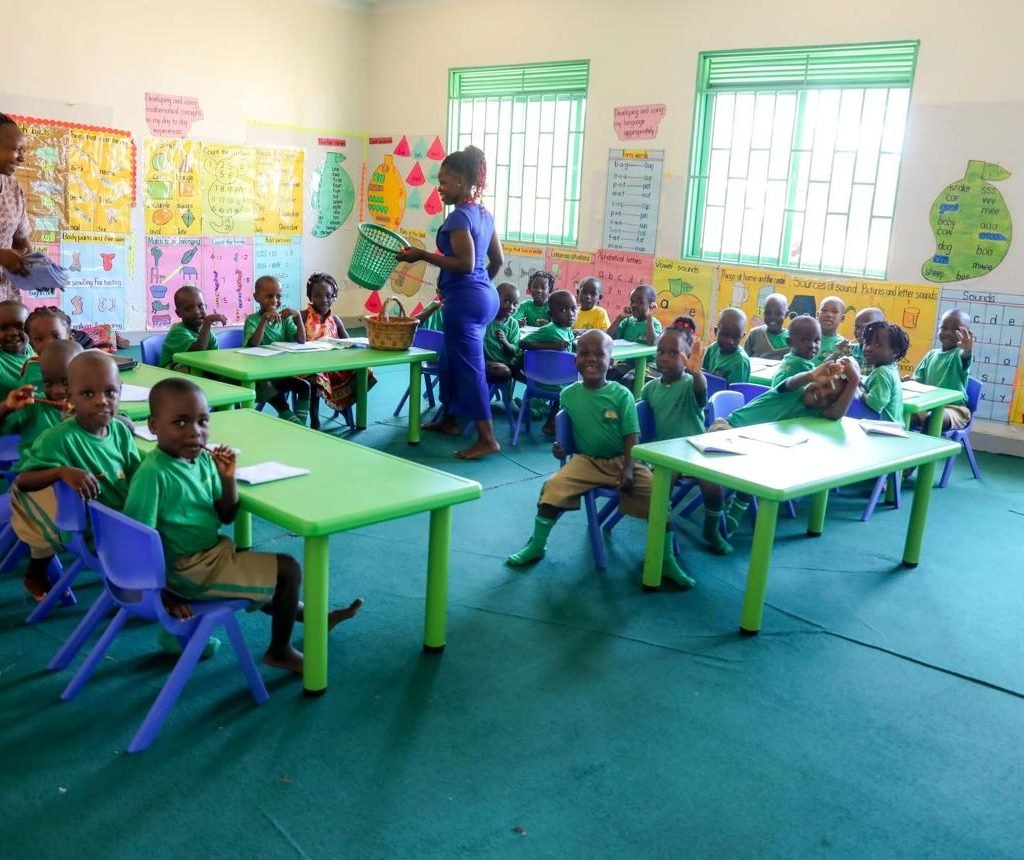
Let’s do simple math. If a class has 25 children, and each pays Shs1.5 million per term, that one class alone brings in Shs37.5 million, before discounts or absentees are counted. That’s not pure profit, of course, the school has to pay rent, salaries, food, utilities, materials, and taxes. But it does raise a fair question: where exactly does all that money go?
Because when you look at what nursery teachers actually earn, the answer becomes a bit uncomfortable. National data on nursery teacher pay is hard to find, but job adverts give us a hint. In 2026, a vacancy in Matugga was offering a qualified nursery teacher between Shs200,000 and Shs250,000 a month, with accommodation and a bursary for one child. A 2025 vacancy in Mityana offered Shs300,000 a month. So parents are paying millions a year for “safety” and “supervision,” but the person actually watching your child every day might be earning a few hundred thousand shillings a month. That gap says a lot, especially when so much of what you’re paying for is supposed to be trust and care.
Not Everyone Can Afford to Escape the Fear
Sadly, not every family has the option to buy their way out of this worry. UNICEF found that in 2025, 55 percent of children from Uganda’s richest households were in pre-primary school, but only 11 percent from the poorest households were. For a poor family, there’s no expensive nursery to run to. Sometimes it’s just the maid, or a relative, or an older sibling left to watch the little one, no cameras, no backup plan.
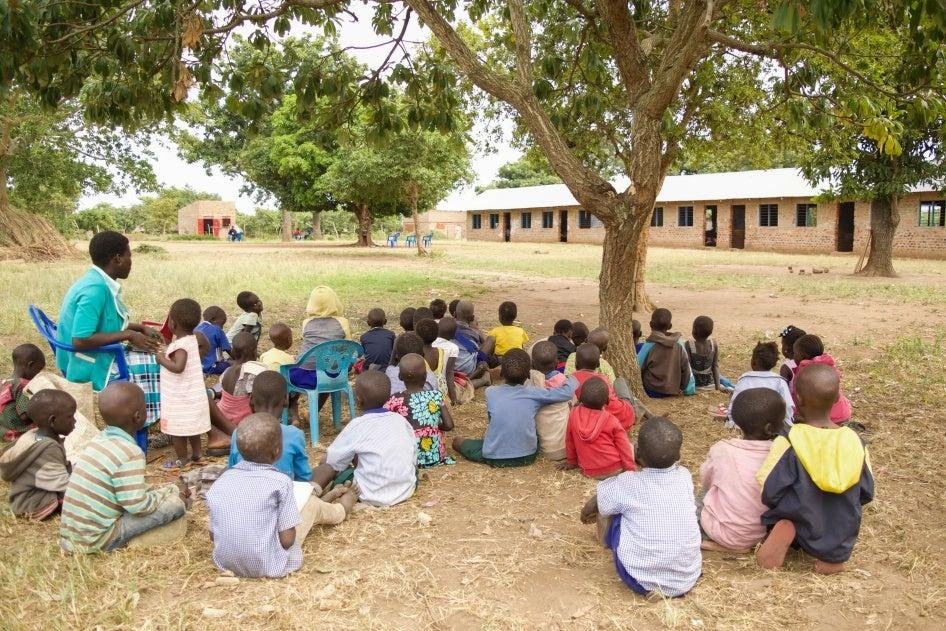
And yet, investing in early childhood education really does pay off in the long run. UNICEF’s 2023 study found that smart investment in Uganda’s pre-primary sector could bring returns of between 8.9 and 16.3 times the money put in, and could create over 50,000 new jobs by 2030 if the sector grows properly. But all that only works if quality and access reach beyond just the families who can already afford Shs1.85 million a term.
For now, Uganda’s nursery school boom sits right in the middle of three things that don’t look connected on paper but are deeply connected in real life: parents who don’t have enough time, a house-help system many no longer fully trust, and private schools happy to sell the solution to both problems, at a price that, these days, can beat what it costs to send your child to university.
