
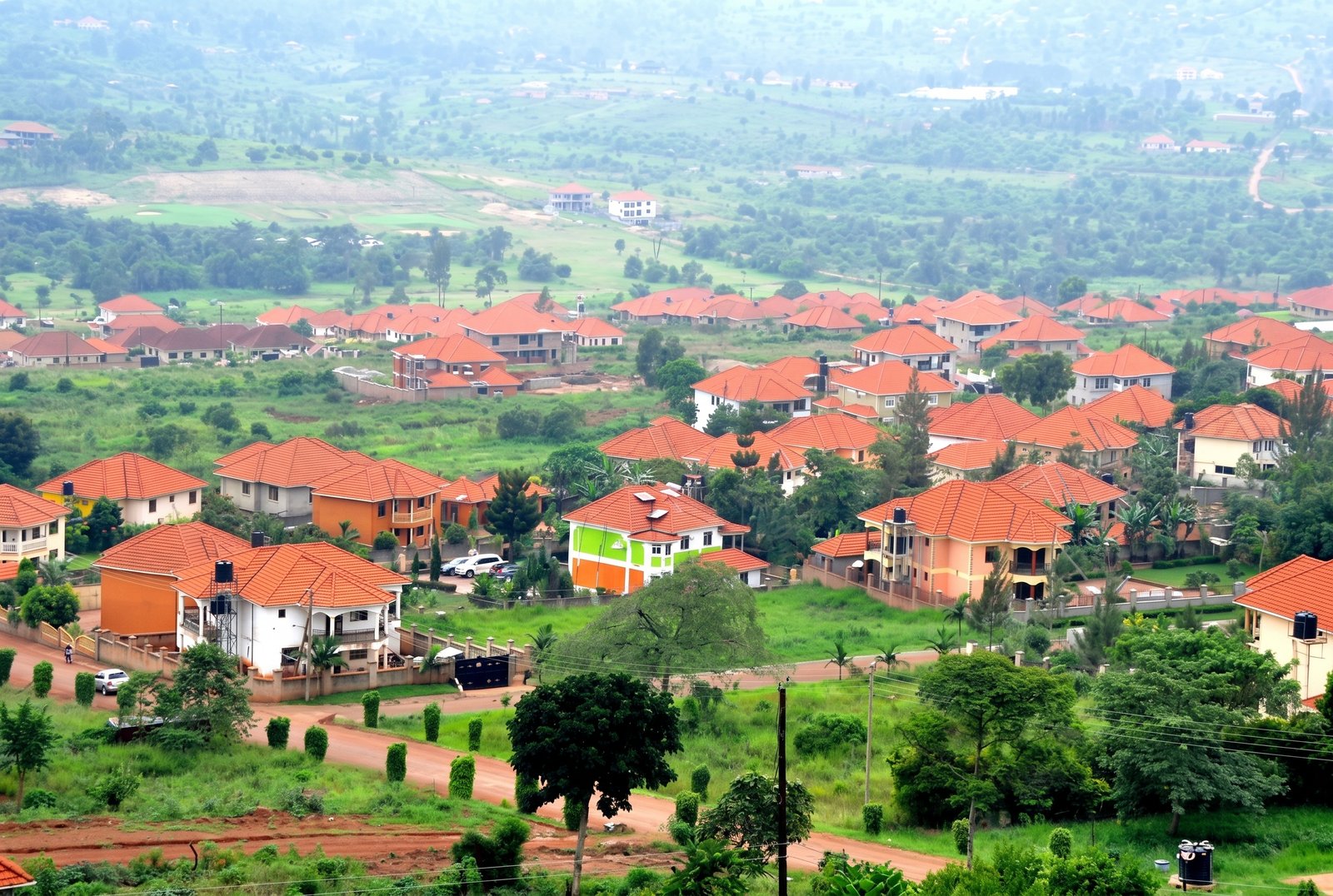
Wakiso district has emerged as the epicentre of Uganda’s real estate activity, with new data showing prices climbing sharply as demand spills over from Kampala into the surrounding metropolitan area.
According to the Ministry of Works and Transport’s July 2026 real estate analytics report, Wakiso ranks among the country’s fastest-growing districts, alongside Kampala, Mukono, Luweero, Mityana, Buikwe, Mpigi, Jinja, Kayunga and Nakaseke. The ministry attributed the growth to improved infrastructure, expanding populations and rising investment.
Prices climb sharply in a year
Figures from Uganda Property Centre show that the median listing price for houses for sale in Wakiso rose to about UGX 629 million in July 2026, up from UGX 482 million a year earlier, an increase of roughly 30 percent. Listings in the district ranged from as low as UGX 40 million to as high as UGX 2.7 billion, reflecting the wide variation in property type and location across Wakiso.
The rental market told a different story. The median listed apartment rent in Wakiso stood at about UGX 956,000 per month in July 2026, down from UGX 1.13 million a year earlier, with listings ranging from UGX 500,000 to UGX 3 million per month.
Analysts say the contrast between rising sale prices and softer rents suggests a market driven increasingly by buyers seeking long-term value rather than short-term rental returns, as households and investors position themselves ahead of further growth.
Why Wakiso is absorbing Kampala’s overflow
Property experts say Wakiso’s rise is closely tied to Kampala’s own expansion. As land within the capital becomes scarcer and more expensive, developers are increasingly building in areas that remain connected to Kampala’s jobs, schools and commercial centres without being located inside the city itself.
Within Kampala, search data from Uganda Property Centre shows that Nakawa, Kisaasi and Ntinda now account for 44 percent of all rental property searches tracked in the city, with Nakawa alone making up 16 percent. That shift toward Kampala’s outer neighbourhoods has fed directly into demand for nearby Wakiso locations such as Kira, Kyanja, Lubowa, Seguku and Bwebajja.
Areas along Entebbe Road have benefited in particular from their proximity to the Entebbe Expressway and the airport corridor, while other parts of Wakiso have drawn interest for offering larger parcels of land at a lower cost than central Kampala.
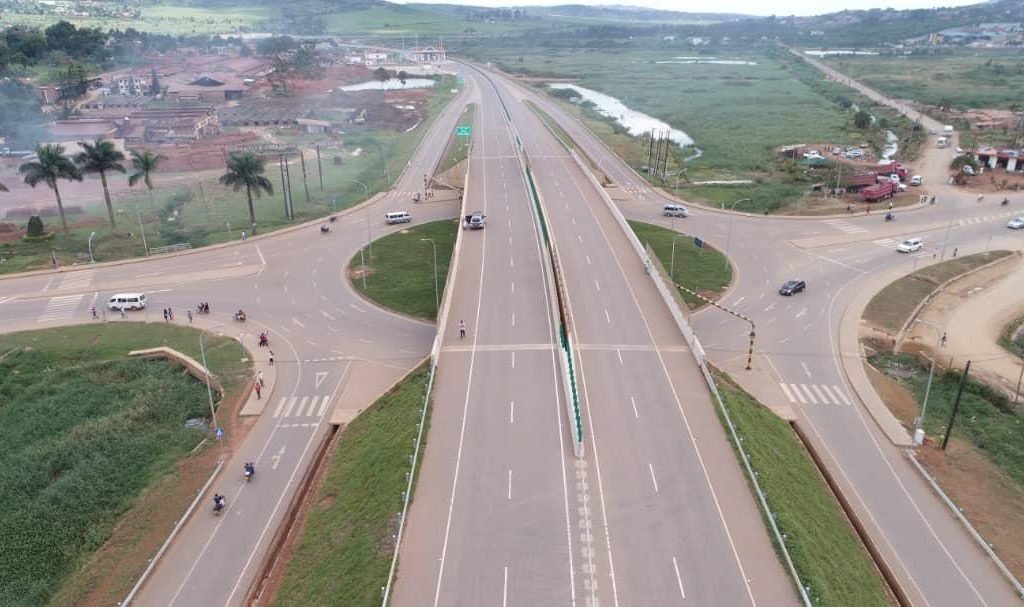
Analysts describe this as a “corridor effect,” in which transport access rather than proximity to the city centre increasingly determines where developers choose to build. A residential estate in Wakiso can serve households whose jobs, schools and businesses remain based in Kampala, without requiring the buyer to purchase land inside the capital.
Growth brings its own pressures
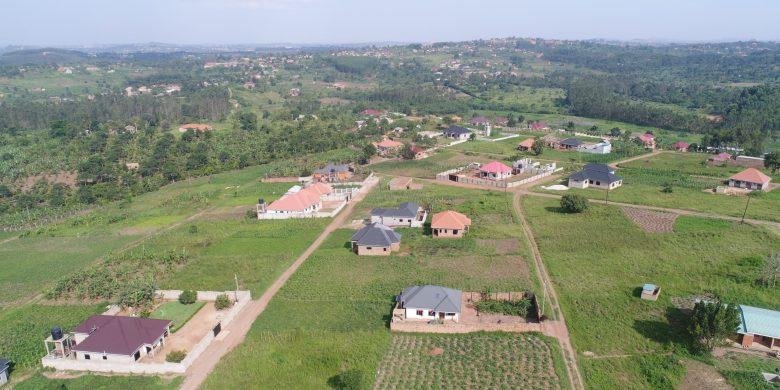
Officials have cautioned that Wakiso’s rapid expansion carries risks if infrastructure fails to keep pace with construction. The National Planning Authority has previously identified uncoordinated urban development and uncontrolled sprawl as major challenges linked to Uganda’s urbanisation, warning of resulting pressure on roads, drainage, water supply, waste management and public transport.
Property analysts say this makes infrastructure access, rather than land price alone, an increasingly important factor for investors evaluating opportunities in the district. A plot with road access, drainage and secure land documentation is considered a materially different investment from land purchased purely on the expectation of a future road.
A district tied to the capital’s future
Despite Wakiso’s rapid growth, Kampala remains Uganda’s largest single property market. Uganda Property Centre’s July 2026 national data shows Kampala as the leading source of property searches nationally, with the wider Central Region accounting for 35 percent of all tracked searches.
Analysts say that dominance is unlikely to fade, but Wakiso’s trajectory suggests the two markets are becoming more tightly integrated, with the district functioning less as a separate market and more as an extension of Kampala’s own growth. For now, the data points in one clear direction: of all the locations tracked across the country, Wakiso is where Uganda’s property market is moving fastest.
