
Uganda has officially declared the end of the 2026 Ebola outbreak. Dr. Chris Baryomunsi, the Minister of Health, made the announcement on Tuesday, 28 July, confirming that Uganda had completed the mandatory 42-day monitoring period without recording any new cases.
The outbreak, caused by the Bundibugyo strain of the Ebola virus, was declared in Uganda on 15 May following a related outbreak across the border in the Democratic Republic of Congo. In total, Uganda recorded 20 confirmed cases and two deaths, with 18 patients recovering. Fifteen of these were contact persons from the DRC, while five were locally acquired. The Ministry noted that the outbreak arose from a fully documented importation event, allowing authorities to trace the source of infection, reconstruct transmission chains, and confirm that all contacts had completed quarantine and follow-up without further spread.
“The outbreak arose from a fully documented importation event, allowing authorities to trace the source of infection, reconstruct transmission chains and confirm that all contacts completed quarantine without further spread.”
— Ministry of Health
Dr. Andrew Kambugu, the Executive Director of the Infectious Diseases Institute (IDI) at Makerere University, sat down with Business Times to explain why Uganda’s containment of the outbreak had drawn international attention. He explained that Ebola is a family of viruses, and that the Bundibugyo strain involved in this outbreak was the third outbreak caused by that species—and the largest of the three. He noted that most vaccines and diagnostics had been developed for the more extensively studied Zaire strain, a mismatch that had underscored the importance of expanding diagnostic capacity to detect multiple Ebola species.
“The Bundibugyo strain was the largest outbreak recorded for that Ebola species and highlighted the need to expand diagnostic capacity beyond the better-known Zaire strain.”
— Dr. Andrew Kambugu
Dr. Kambugu pointed to the strength of public health systems built long before the outbreak began. He described a mortality surveillance system that triggered investigations whenever someone died unexpectedly after exhibiting symptoms such as fever and bleeding, alongside a contact tracing process that monitored every identified contact throughout the full 21-day incubation period. That combination of rapid detection and thorough tracing, he said, was what interrupted transmission chains before they could expand. He also credited decades of accumulated experience, recalling that samples once had to be flown overseas for confirmation a process that could take weeks whereas Uganda’s laboratories can now confirm Ebola within hours.
“What interrupted transmission chains was the combination of rapid detection and thorough contact tracing. Every identified contact was monitored throughout the full 21-day incubation period, while a strong mortality surveillance system ensured that any unexpected death with symptoms such as fever and bleeding triggered immediate investigation. Uganda’s laboratory capacity has also transformed over the years from waiting weeks for overseas confirmation to diagnosing Ebola within hours.”
— Dr. Andrew Kambugu, Executive Director, Infectious Diseases Institute
He added that international partners, including WHO and Africa CDC, contributed resources and technical expertise throughout the response. On the question of traveller safety, he said the risk to ordinary visitors remained very low throughout the outbreak, as Uganda’s tourism sites were never linked to any transmission, while many hygiene practices introduced during the COVID-19 pandemic had remained in place across the tourism sector.
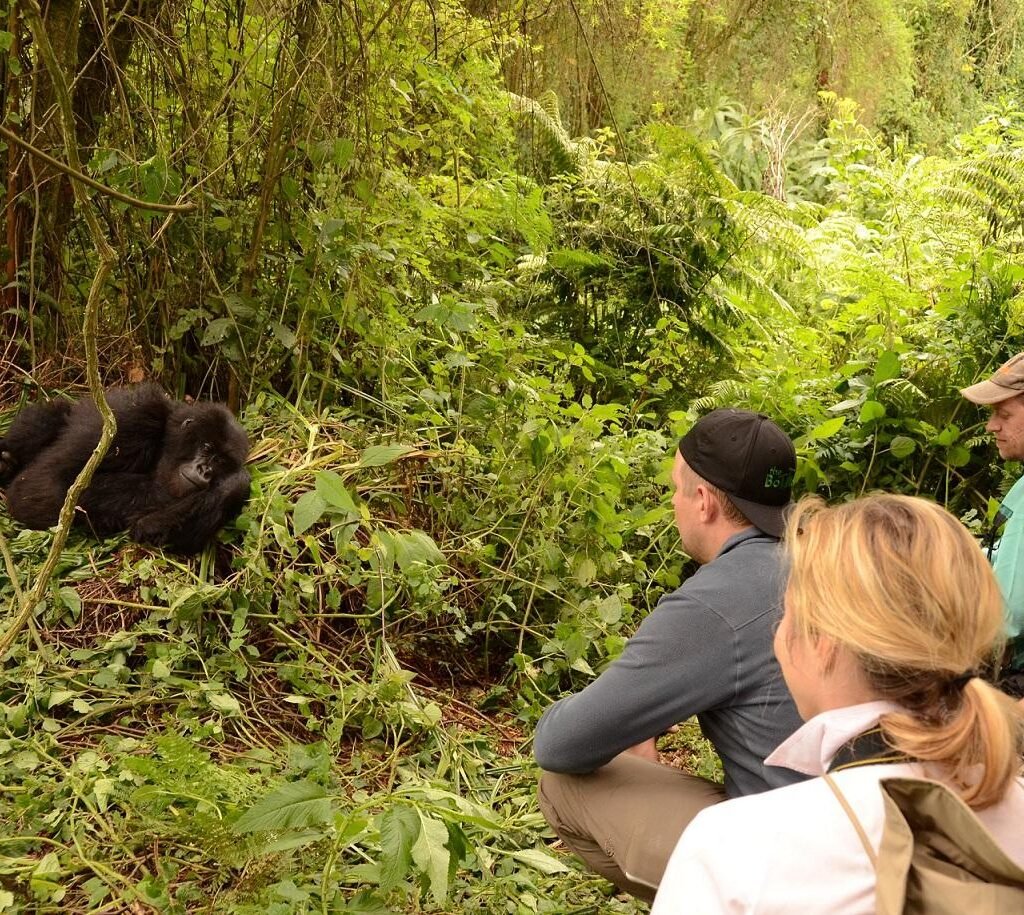
“The risk to ordinary travellers remained very low because Uganda’s tourism sites were never linked to any transmission.”
— Dr. Andrew Kambugu
With the outbreak now officially declared over, the Uganda Tourism Board (UTB) said the announcement removes a key concern for travellers considering a visit to the Pearl of Africa. UTB Chief Executive Officer Juliana Kagwa described the declaration as a milestone the tourism industry had been eagerly awaiting and one the Board intends to communicate widely across international markets.
“Uganda is Ebola-free, and we want the world to know it. Our health system responded with the same discipline and speed our visitors have come to associate with this country, and our tourism sites were never linked to any transmission throughout the outbreak. We now invite travellers, partners and friends of Uganda to come and experience the Pearl of Africa for themselves.”
— Juliana Kagwa, Chief Executive Officer, Uganda Tourism Board
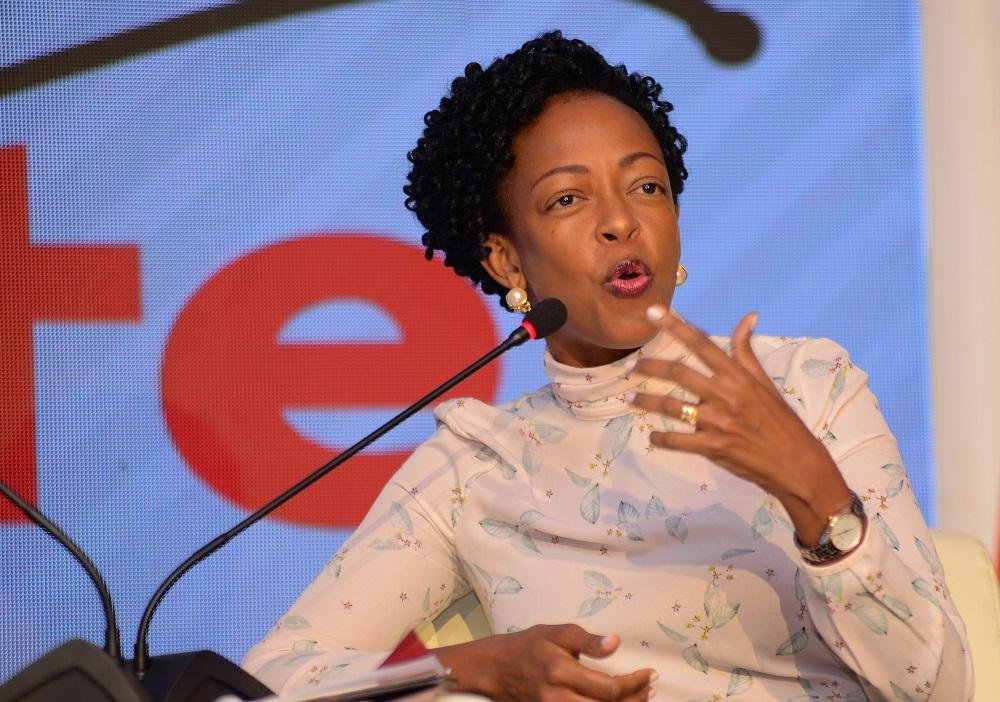
Kagwa added that UTB would continue working closely with the Ministry of Health to ensure its messaging remains consistent and evidence-based as the Board resumes its international marketing campaigns, reinforcing a simple message: Uganda is once again open for business
“Uganda is once again open for business.”
— Juliana Kagwa
