
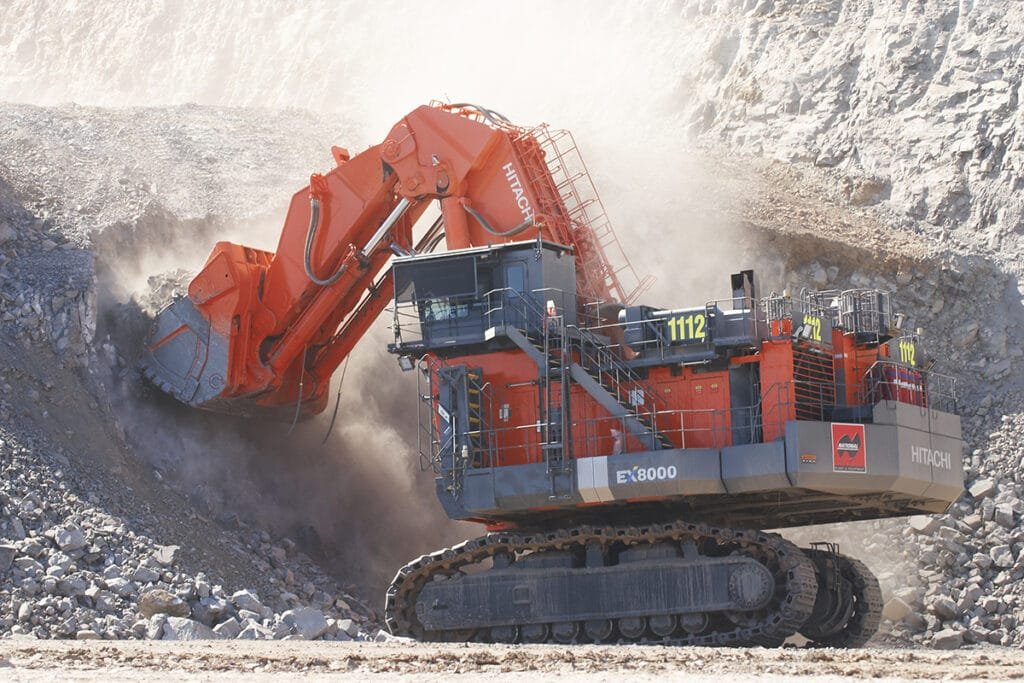
If the global race for critical minerals is accelerating, Uganda finds itself standing on one of the richest geological starting points in Africa yet still capturing only a fraction of its potential value.
Uganda sits on a highly diversified mineral base that includes gold, cobalt, nickel, rare earth elements, tungsten, tantalum, and graphite. These minerals are increasingly central to the global green energy transition. The global critical minerals market is projected to exceed $770 billion by 2040. Despite this, Uganda’s mining and quarrying sector contributes just 2.2 percent to GDP, raising concerns about governance and value capture in the sector.
These issues formed the focus of a Policy Roundtable for the Mining Sector convened on Tuesday by the Uganda Chamber of Energy and Minerals (UCEM) at Kabira Country Club in Kampala. The meeting, supported by GIZ under the TENT Grant Initiative and co-funded by the European Union and the German Government, brought together policymakers, private sector actors, and development partners to assess governance reforms aimed at improving investment conditions.
The Business Case Is Not Subtle
Uganda’s National Development Plan IV sets an ambitious target of increasing the mining sector’s contribution to GDP from 2.2 percent to 7.9 percent by FY2029/30. Achieving this goal will require more than increased production. It will depend on improving the efficiency, predictability, and transparency of the investment environment.
However, several structural bottlenecks continue to constrain growth. These include licensing delays, slow environmental approvals, and the absence of binding service delivery standards across key regulatory agencies. For investors, these inefficiencies translate into uncertainty, higher costs, and extended project timelines.
Governance First, Growth Second
UCEM Chief Executive Officer Humphrey Asiimwe emphasized that unlocking the sector’s potential depends on strengthening governance systems.
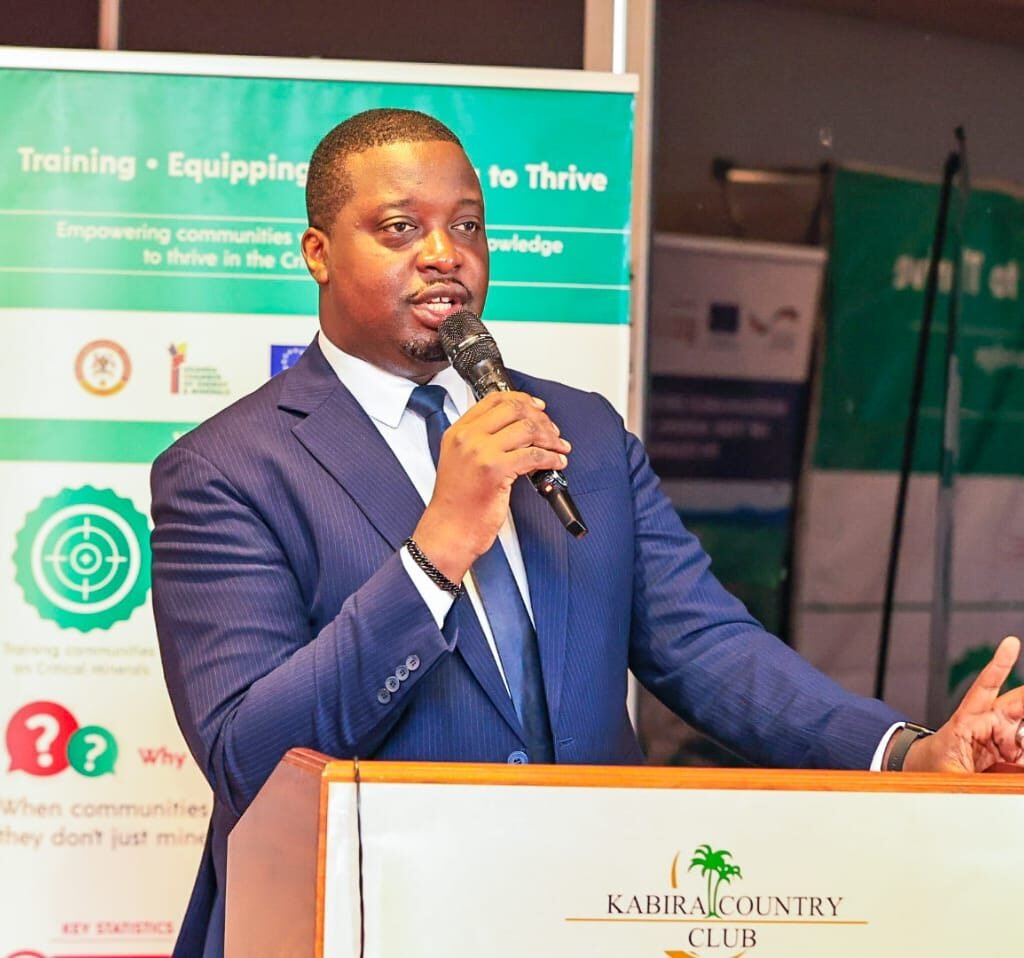
“Uganda sits on one of the most diversified mineral bases in Africa, yet the sector’s contribution to our economy remains far below its potential. We are not here simply to discuss what could be, we are here to validate what must be done, and to build the consensus that will drive implementation at the highest levels of government and industry.”
Henry Mukasa, Project Manager for the Sustainable Development of the Mining Sector program under GIZ, highlighted the scale of opportunity tied to reform.
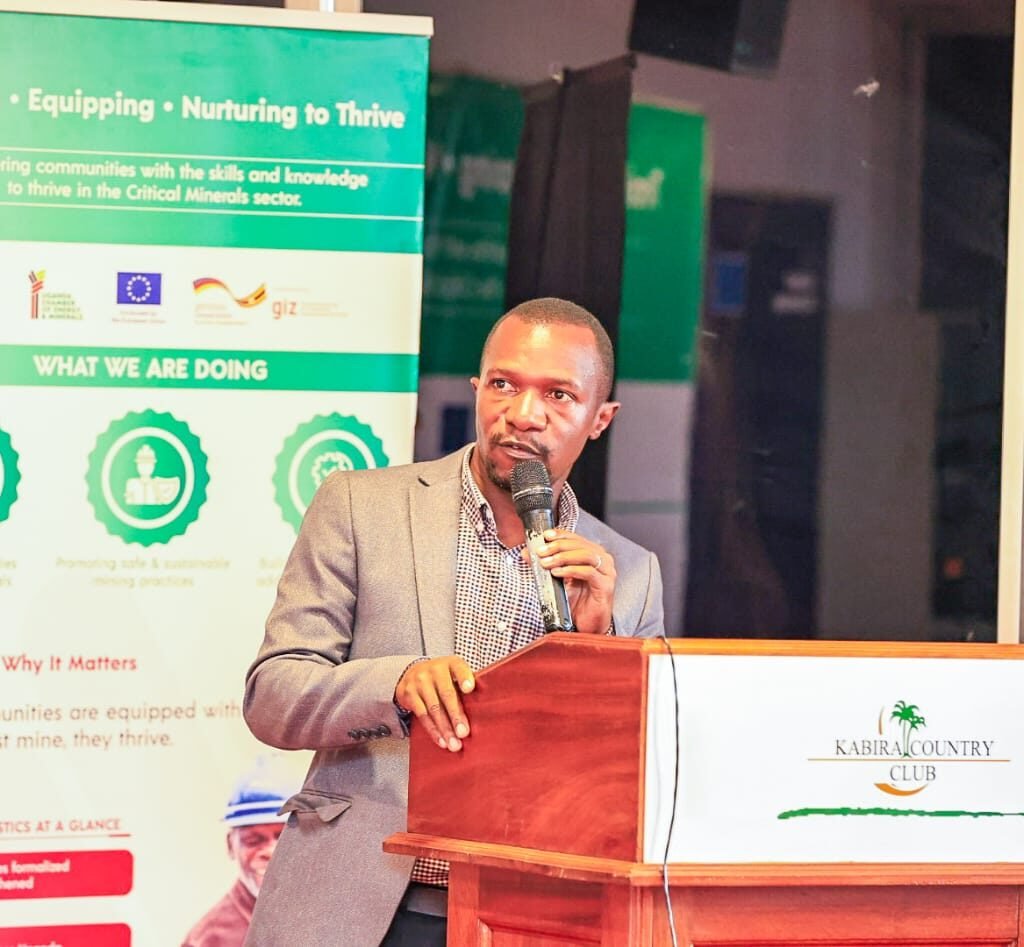
“We are breaking down existing bottlenecks to turn Uganda into a highly competitive, responsible, and attractive destination for global mining investment.”
He noted that targeted investments in governance reform, artisanal mining formalisation, and domestic value addition could significantly improve foreign direct investment inflows and industrial output.
Why Tax Policy Alone Is Not Enough
A key contribution came from Professor Susan Watundu of Makerere University Business School, who cautioned against relying solely on tax measures to improve revenue performance.
“Uganda’s mining sector is leaking wealth, but the solution is not cutting taxes, it is closing legal loopholes and building institutional capacity. A 30 percent corporate tax rate without specialized transfer pricing auditors yields nothing, just as raw export bans without domestic smelting infrastructure yield nothing.”
Her argument underscores a broader policy direction: sustainable revenue growth depends on strong institutions, not only fiscal adjustments. Stronger systems also improve predictability for compliant investors and reduce space for inefficiency and leakages.
Reform Agenda Targeting Investment Growth
The roundtable validated a set of key reforms designed to improve the sector’s competitiveness and attract investment.
A proposed Mining Investment Delivery Unit and One-Stop Mineral Investment Window will be anchored at the Ministry of Energy and Mineral Development and the Directorate of Geological Survey and Mines. This is expected to streamline fragmented approval processes that currently slow down investment decisions and increase costs.
A National Geological Intelligence and Exploration De-risking Program is also planned to reduce uncertainty by improving access to reliable geological data, lowering the cost of exploration and entry for investors.
In addition, fiscal incentives are expected to be recalibrated to ensure predictability and performance-based outcomes, addressing long-standing investor concerns about regulatory uncertainty.
Consultant Susan Nakanwagi of the TENT Grant Initiative emphasized urgency in implementation:
“To position ourselves in a global critical minerals market projected to exceed $770 billion by 2040, Uganda must urgently strengthen its mining governance, separate promotion from regulation, and tailor policies to different mineral value chains to turn potential into tangible economic outcomes.”
The Window Is Open, but Not Indefinitely
Global demand for critical minerals continues to grow rapidly, driven by the energy transition and the shift toward low-carbon technologies. Countries that can offer transparent, efficient, and predictable mining environments are expected to attract a significant share of global investment flows.
Uganda’s geological potential is clear, and the policy direction is increasingly aligned toward reform. The roundtable highlighted growing consensus among government, private sector, and development partners on the need for coordinated action to unlock sector growth.
The policy paper emerging from the validation workshop will be submitted to government authorities for consideration. Its implementation will determine whether Uganda secures a meaningful position in the expanding global critical minerals value chain or remains on the margins of a rapidly evolving industry
