
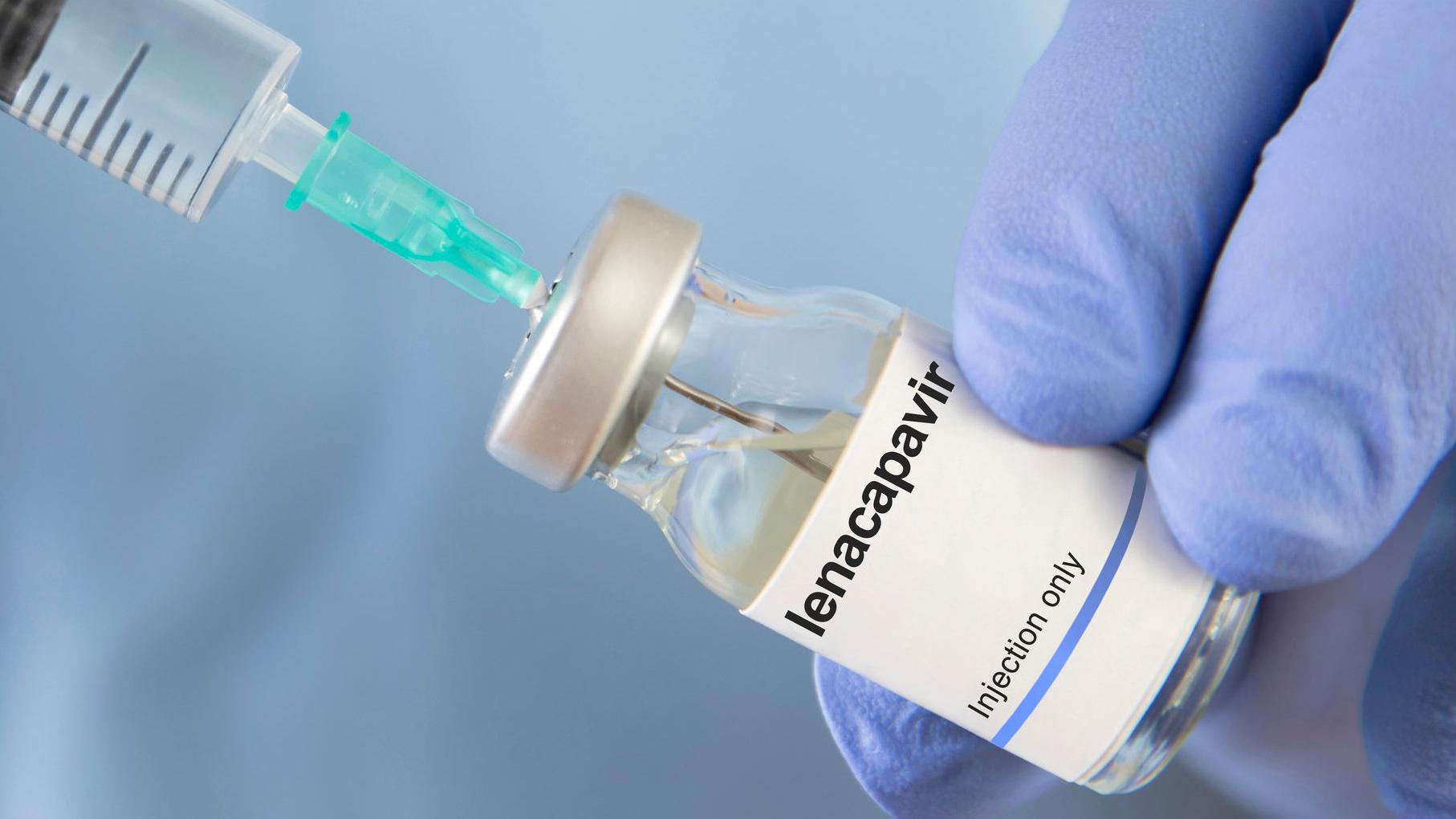
Uganda will secure an additional 60,000 doses of lenacapavir this year, significantly expanding access to a breakthrough HIV prevention drug as the country intensifies efforts to reduce new infections and move closer to ending AIDS as a public health threat by 2030.
The long-acting injectable medication, administered once every six months, is being integrated into Uganda’s HIV prevention program following its approval by the National Drug Authority in January 2026. Health officials say the additional doses will substantially increase coverage among high-risk populations and strengthen the country’s response to one of its most persistent public health challenges.
Developed by Gilead Sciences and marketed as Yeztugo for Pre-Exposure Prophylaxis (PrEP), lenacapavir is a first-in-class capsid inhibitor designed to prevent HIV infection by disrupting the virus at multiple stages of its lifecycle.
The drug has generated global attention following results from the PURPOSE 1 clinical trial conducted in Uganda and South Africa, which demonstrated efficacy rates of between 99% and 100% among adolescent girls and young women. Researchers reported zero HIV infections among participants who received the injection in key analyses.
The expansion comes as Uganda continues to face a significant HIV burden despite decades of progress in combating the epidemic.
According to the Uganda AIDS Commission, more than 1.4 million Ugandans are currently living with HIV, making Uganda one of the countries with the highest HIV burdens globally. The country continues to record approximately 37,000 new HIV infections every year, equivalent to more than 700 new infections every week or nearly 100 new infections every day.
Young women remain disproportionately affected. Data presented to Parliament shows that approximately 21,000 of the country’s annual new infections occur among adolescent girls and young women, meaning young females account for more than half of all new infections recorded each year.
Although expanded access to antiretroviral therapy has helped reduce AIDS-related deaths by approximately 64% since 2010, the disease still claims an estimated 20,000 lives annually.
The latest shipment builds on Uganda’s initial rollout earlier this year. The country received its first consignment of 19,200 doses on February 24 through support from international health partners, including the Global Fund. The national rollout was officially launched by Health Minister Dr. Jane Ruth Aceng at Lira Regional Referral Hospital on April 17.
Health authorities are now expanding access through selected facilities across the country, including Lira Regional Referral Hospital, Dokolo Health Centre IV, Mukono General Hospital, Mityana General Hospital, Hoima Regional Referral Hospital, Kyenjojo General Hospital, and accredited Uganda People’s Defence Forces medical facilities.
Public health experts view lenacapavir as a potentially transformative prevention tool because it removes many of the adherence challenges associated with daily oral PrEP.
Unlike traditional HIV prevention pills that require daily use, lenacapavir provides six months of protection from a single injection, reducing the impact of stigma, pill fatigue, and other barriers that have historically limited uptake among vulnerable populations.
At current U.S. list prices, lenacapavir costs approximately $28,218 per person annually, making large-scale procurement unaffordable for most developing countries. However, Gilead Sciences has committed to providing the medicine at cost during early implementation phases and has entered licensing agreements with generic manufacturers.
Industry projections suggest generic versions could reduce annual costs to between $25 and $46 per patient, potentially making widespread access feasible across low- and middle-income countries.
Health officials caution that the newly announced doses represent only a fraction of national demand and that successful implementation will depend on sustained financing, reliable supply chains, and effective patient follow-up systems to ensure recipients return for their six-month injections.
Nevertheless, the expansion marks one of Uganda’s most significant investments in HIV prevention in recent years and places the country among the early adopters of a technology that many experts believe could reshape the global fight against HIV and accelerate progress toward ending new infections.
