
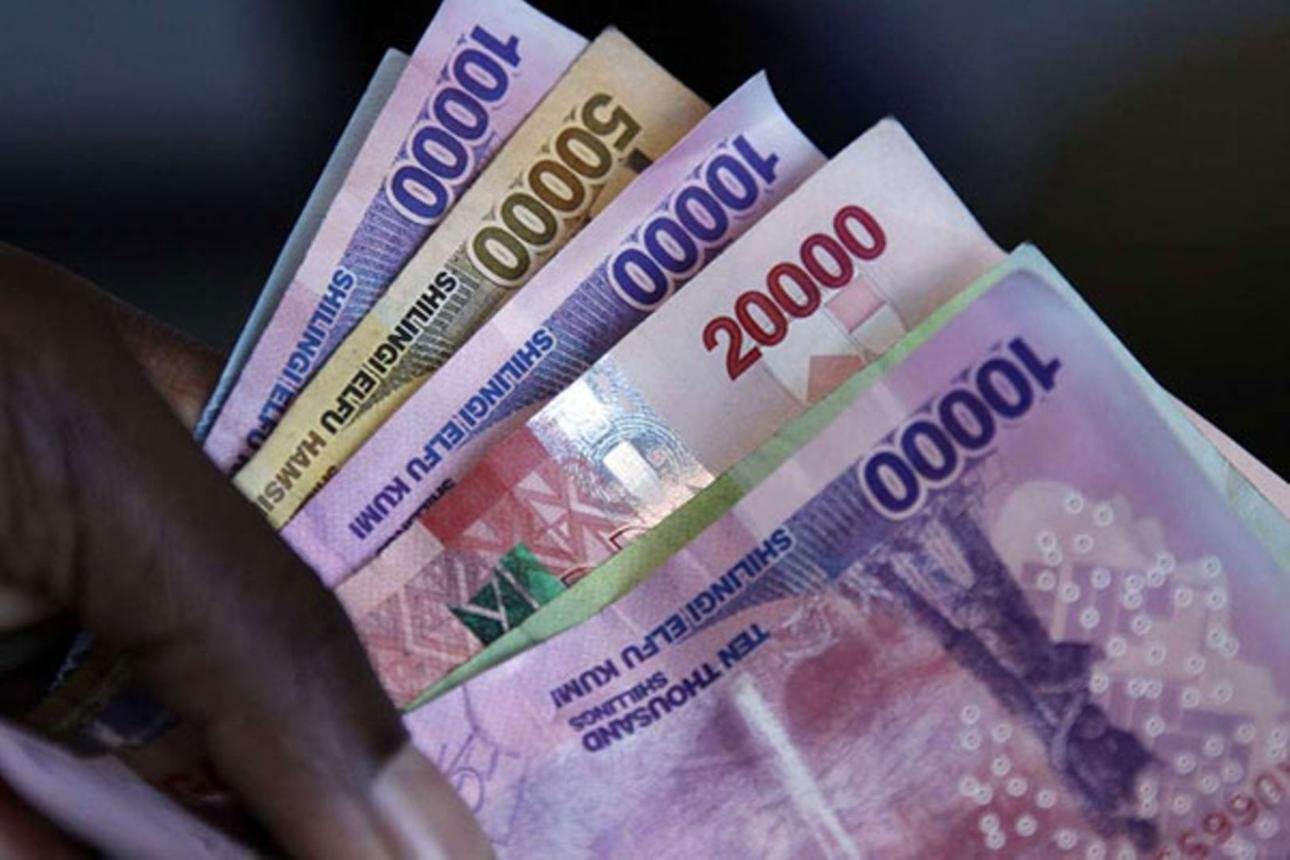
There is a quiet shift happening in East Africa’s currency markets, and Uganda is emerging as the standout performer.
While several regional currencies faced pressure against the US Dollar in June 2026, the Ugandan Shilling moved in the opposite direction, strengthening against major global currencies and offering businesses a rare layer of stability in a region facing global economic uncertainty.
According to the Ministry of Finance’s June 2026 Performance of the Economy Report, the Ugandan Shilling was the only major currency among East African Community (EAC) partner states to appreciate against the US Dollar during the month.
“In June 2026, Uganda was the only major EAC economy whose currency strengthened against the US Dollar.”
The Shilling strengthened by 1.4 percent against the US Dollar, trading at an average of Shs 3,710.64 per dollar, compared to Shs 3,764.11 in May.
This performance stood out against neighboring currencies. The Tanzanian Shilling weakened by 0.8 percent, the Rwandan Franc declined by 0.13 percent, and the Burundian Franc fell by 0.14 percent. Kenya’s Shilling remained largely stable, recording a marginal movement of about 0.05 percent.
Uganda’s currency strength was not limited to the Dollar. The Shilling also appreciated against major European currencies, gaining 2.8 percent against the Euro to trade at Shs 4,270.15, and strengthening by 2.6 percent against the British Pound to Shs 4,944.51.
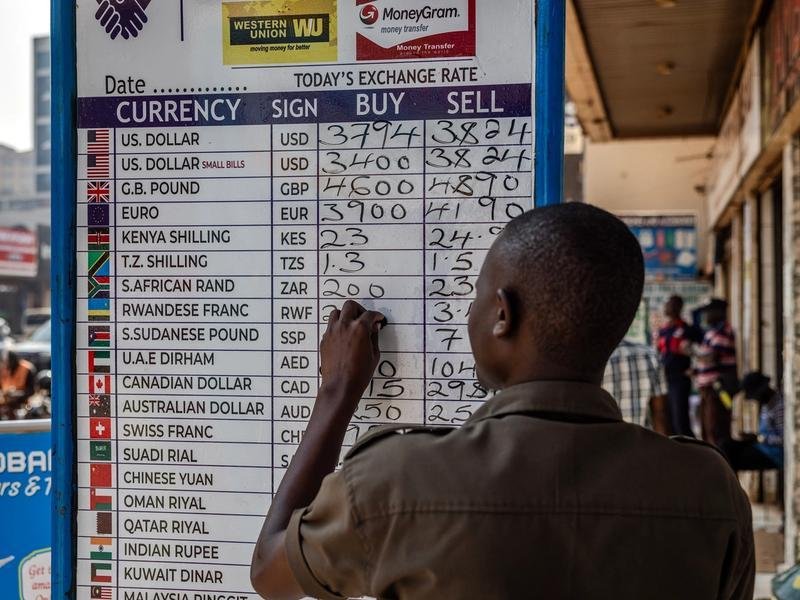
The performance reflects a combination of strong foreign exchange inflows, improved export earnings, and continued confidence in Uganda’s economic fundamentals.
The Ministry of Finance attributes much of the Shilling’s strength to increased supply of foreign currency from commodity exporters and offshore investors. The rise in export earnings, particularly from gold, played a major role in boosting foreign exchange availability.
Uganda’s merchandise exports increased by 12.8 percent year-on-year to $1.35 billion in May 2026, supported largely by gold exports, which surged by 67.7 percent to $814.78 million.
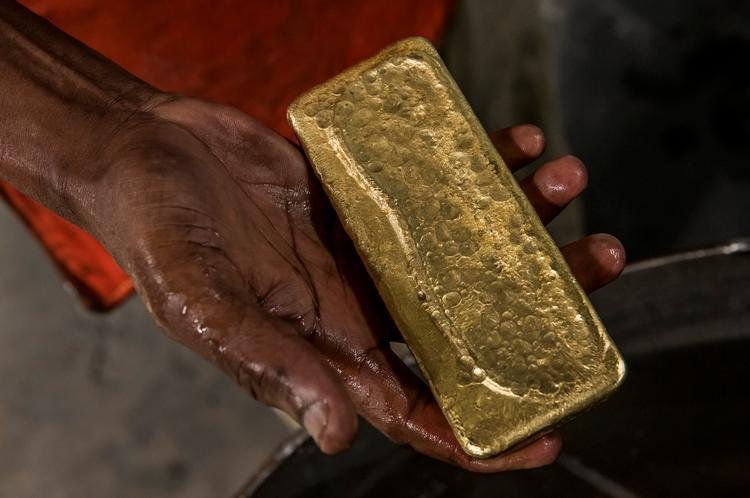
The increased inflows of foreign currency helped outweigh demand pressures from importers, businesses paying external suppliers, and companies meeting international obligations. Gold exports have become Uganda’s largest source of foreign exchange, helping strengthen the country’s external position.
“Gold exports alone generated more than $814 million in May, providing a significant source of dollar inflows that helped support the Shilling.”
The stronger Shilling comes at an important time for the economy, particularly as global energy markets remain volatile. With fuel prices rising and Energy, Fuel and Utilities inflation reaching 11.9 percent, exchange rate stability provides some protection by reducing the local currency cost of imported fuel, machinery, industrial equipment, and raw materials.
For businesses, this stability can make planning easier by reducing uncertainty around import costs and foreign currency obligations.
The currency performance has also supported financial conditions. Foreign currency lending rates declined to 7.28 percent in May 2026, down from 7.34 percent, while Shilling-denominated lending rates eased to 18.0 percent from 18.26 percent.
At the same time, private sector credit expanded by 1.1 percent month-on-month to Shs 26.7 trillion, suggesting continued access to financing for businesses seeking to invest and expand.
Investor and business confidence has also remained positive. Uganda’s Purchasing Managers’ Index (PMI) rose to 56.5 in June, up from 54.1 in May, signaling continued expansion in private sector activity. The Business Tendency Index (BTI) also remained strong at 54.4, with optimism particularly visible in construction, wholesale trade, and financial services.
“A stronger currency, easing lending rates and expanding private sector credit are creating a more predictable operating environment for businesses.”
However, Uganda’s currency strength comes amid a period of growing economic differences across the EAC.
Rwanda, for example, is facing a more challenging combination of currency weakness and rising inflation. The Rwandan Franc depreciated by 0.13 percent in June, while headline inflation increased to 12.7 percent, driven by higher costs in food, housing, utilities, transport, and imported energy.
Kenya and Tanzania have experienced more moderate conditions. Kenya’s inflation stood at 6.4 percent, while Tanzania recorded 4.0 percent, both benefiting from easing food prices. However, their currencies did not match Uganda’s appreciation against the Dollar.
The divergence highlights a changing economic landscape in East Africa, where countries are increasingly following different paths depending on their export earnings, fiscal positions, and exposure to global markets.
A snapshot of the region tells the story:
Uganda: Inflation 3.7% | Currency vs USD: +1.4%
Kenya: Inflation 6.4% | Currency vs USD: +0.05%
Tanzania: Inflation 4.0% | Currency vs USD: -0.8%
Rwanda: Inflation 12.7% | Currency vs USD: -0.13%
For Uganda, the Shilling’s performance represents a major economic advantage, but questions remain about how sustainable the momentum will be.
One key risk is the country’s growing dependence on mineral exports. While gold exports have provided a significant boost to foreign currency earnings, traditional exports such as coffee have struggled. Coffee export earnings declined by 37.8 percent to $151.70 million, affected by lower global prices and reduced export volumes.
Heavy reliance on gold revenues exposes Uganda to changes in international commodity prices. If global gold prices weaken, the foreign exchange inflows supporting the Shilling could also slow.
The country also continues to face regional trade challenges. Uganda’s trade deficit with EAC partners widened to $376.87 million in May 2026, driven by stronger import growth and declining regional exports. Addressing trade barriers and improving competitiveness will be important to maintaining long-term economic balance.
“The big question is whether the Shilling’s strength is being built on broad-based economic growth or riding largely on a gold-export boom.”
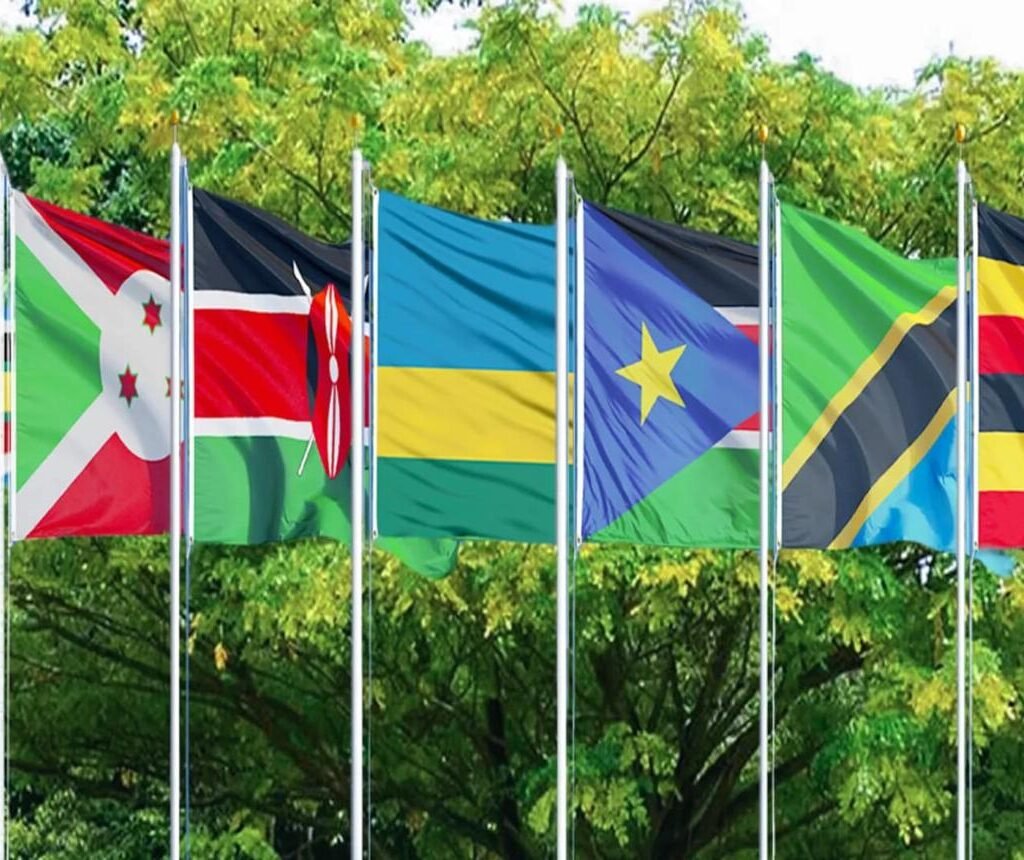
For businesses operating in Uganda and across the region, the current picture presents a clear message: East Africa is no longer moving as one economic bloc. Currency performance, inflation pressures, and investment conditions are increasingly shaped by each country’s unique economic fundamentals.
For now, Uganda’s Shilling stands out as one of the region’s strongest performers, supported by export growth, monetary stability, and improved foreign exchange inflows. The challenge will be ensuring that this strength is built on a diversified economic foundation rather than temporary commodity-driven gains.
