
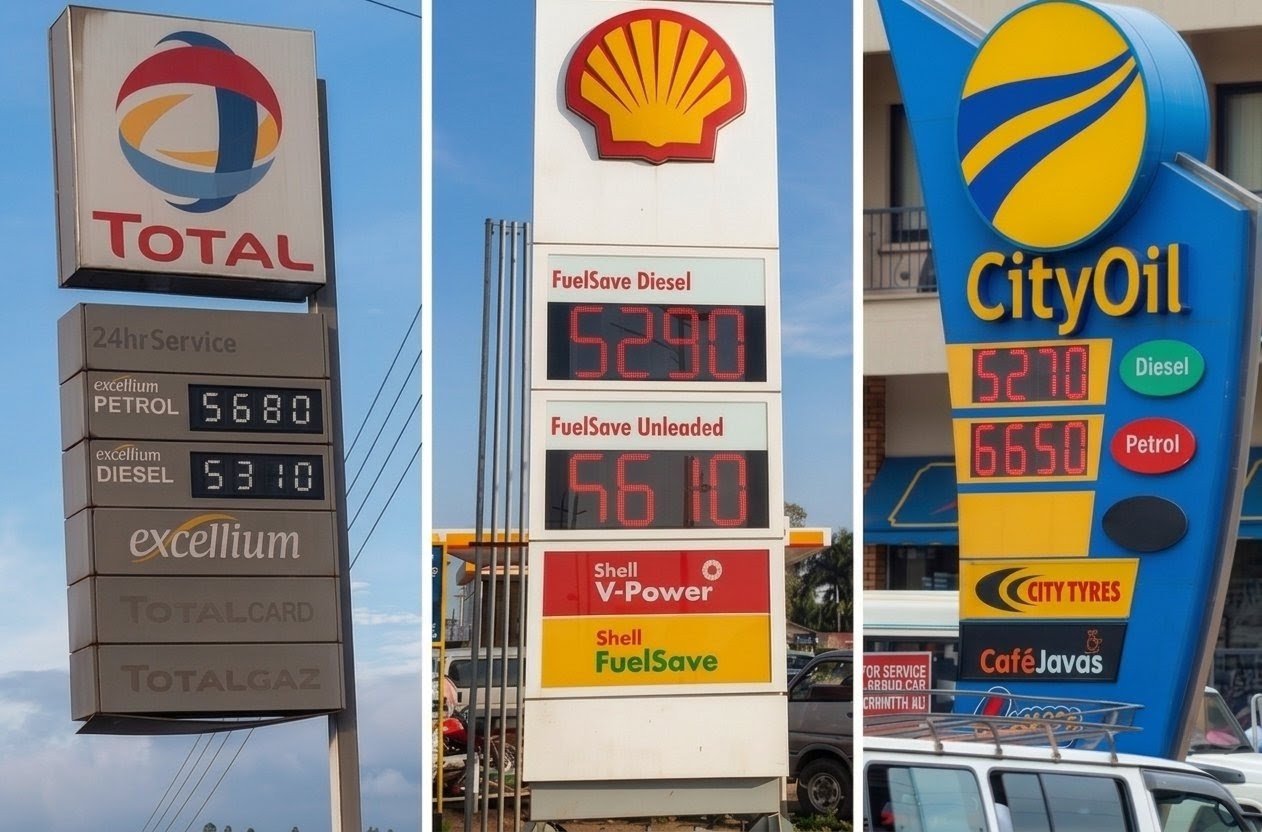
Ugandans may be enjoying some relief at food markets, but a sharp rise in fuel prices is creating a new economic challenge that could affect transport costs, business operations, and household budgets in the months ahead.
The latest inflation figures reveal a growing divide in Uganda’s economy: while the cost of some food items has eased, energy and fuel prices have surged, creating pressure across nearly every sector that depends on transportation and power.
Annual headline inflation rose to 3.7 percent in June 2026, up from 3.2 percent in May. While the increase appears modest, the details beneath the headline figure tell a more significant story. Energy, Fuel and Utilities (EFU) inflation climbed sharply from 9.1 percent to 11.9 percent within one month, driven largely by rising fuel costs.
Petrol prices increased by 26.3 percent year-on-year, while diesel prices surged by 37.3 percent. Kerosene prices also rose by 31.7 percent, while cooking gas recorded a 5.4 percent increase. The jump in diesel prices has been particularly concerning for businesses, as diesel remains a major input for transport companies, factories, agricultural operations, and institutions relying on backup generators.
The increase has been linked largely to global developments, particularly uncertainty in international oil markets caused by geopolitical tensions in the Middle East. As a fuel-importing economy, Uganda remains vulnerable to global crude oil price movements, with international shocks quickly reflected at local fuel stations.
For businesses, the fuel surge is creating pressure on profit margins and forcing companies to rethink their operating models. Transport-dependent businesses, including logistics firms, distributors, manufacturers, and retailers, are facing higher costs of moving goods. Companies that operate delivery fleets or rely on heavy machinery are spending significantly more on fuel, reducing the amount of revenue retained as profit.

Manufacturers and wholesalers are also feeling the impact as higher transport costs increase the expense of importing raw materials and distributing finished products. Businesses now face a difficult choice: absorb the additional costs and protect customers from price increases or pass them on through higher prices.
Many firms are already adjusting prices to protect their margins, creating the possibility of broader cost-push inflation as fuel expenses filter into the prices of goods and services. Energy-intensive businesses such as hotels, factories, cold-storage facilities, and companies that rely on generators during power interruptions are also seeing their operational expenses increase as diesel becomes more expensive.
The transport sector has been among the first to feel the impact. Public transport operators, including taxi and bus companies, are facing increased fuel bills, with many adjusting fares to remain operational. Routes connecting Kampala to major towns have experienced fare increases as operators attempt to balance rising expenses with passenger affordability.

Boda boda riders are also facing higher costs, often absorbing fuel increases directly until they can negotiate fare adjustments with customers. For ordinary commuters, higher transport fares mean a larger share of household income is being spent simply getting to work, school, or markets.
The fuel increase is also affecting employers and employees. As transport costs rise, workers are spending more on daily commuting, effectively reducing their disposable income. Some employers may be forced to review transport allowances, introduce staff shuttle arrangements, or expand flexible working arrangements where possible to reduce the financial burden on employees.
At household level, the impact is mixed. While some food prices have declined, savings made from cheaper food could easily be offset by higher transport, electricity, and cooking fuel costs.
Food crop inflation dropped to 0.0 percent in June, with several key staples recording price declines. Matooke prices fell by 6.6 percent, dry beans by 7.2 percent, carrots by 7.6 percent, and onions by 4.7 percent compared to the previous year.

However, cheaper food does not necessarily mean lower household expenses if the cost of transporting those goods to markets continues to rise.
Farmers are also caught between two pressures. Good harvests have helped keep farm-gate prices relatively low, benefiting consumers. However, transporting produce from rural areas to urban markets remains heavily dependent on fuel.
If transport costs continue rising, traders may reduce the prices they offer farmers while increasing prices charged to consumers in towns and cities. This could widen the gap between farm and retail prices, hurting both producers and buyers.
Despite rising input costs, Uganda’s economy continues to show resilience. The Purchasing Managers’ Index (PMI) improved to 56.5 in June, up from 54.1 in May, indicating continued private-sector expansion. Businesses reported increased output, hiring, and purchasing activity as demand remained strong.
The broader economy also recorded positive momentum, with GDP growth estimated at 6.4 percent in the 2025/26 financial year, slightly higher than the previous year. Financial stability has also provided some support, with the Ugandan Shilling strengthening against major currencies and private sector credit continuing to expand, helping businesses access financing.
However, prolonged fuel price increases could become a major challenge in the second half of 2026 if global oil market pressures continue.
Businesses can reduce exposure to fuel volatility by improving supply chain efficiency, consolidating deliveries, investing in fuel monitoring systems, and maintaining vehicles properly to improve fuel efficiency. Companies with office-based operations can also explore flexible work arrangements to reduce commuting costs for employees.
Uganda’s economy remains on a strong footing, but the fuel surge is a reminder that global shocks can quickly affect local businesses and households. As long as international oil markets remain unstable, managing energy costs will remain one of the biggest priorities for companies and consumers alike.
