

Ugandan consumers are changing how they spend on telecommunications, with mobile data and digital financial services growing faster than traditional voice calls, according to MTN Uganda’s financial disclosures.
MTN Uganda’s customer base has surpassed 25.4 million subscribers, making it the country’s largest mobile operator by subscriber numbers. However, the company’s latest figures show that some of its fastest-growing revenue streams are increasingly coming from services beyond voice.
Voice remains MTN Uganda’s largest individual revenue stream, generating Ush640.40 billion during the half-year period. But voice revenue grew by just 1.8%, highlighting the growing pressure on traditional calling services as consumers shift toward internet-based communication and mobile termination rates decline.
By comparison, Mobile Money and fintech generated Ush580.59 billion, representing year-on-year growth of 10.7%. Data and fixed connectivity recorded even stronger growth, generating Ush566.76 billion after increasing by 15.6%.
The figures point to a gradual transformation in Uganda’s telecommunications market. While voice still contributes the largest amount of revenue, data and digital financial services are expanding at a much faster rate.
Mobile Money is also becoming more than a platform for sending and receiving cash. MTN Uganda now has 14.8 million active MoMo users, while its network of active merchants is approaching 200,000.
Consumers are increasingly using MoMo Pay to pay for goods and services, helping move everyday transactions away from physical cash and deeper into digital payments.
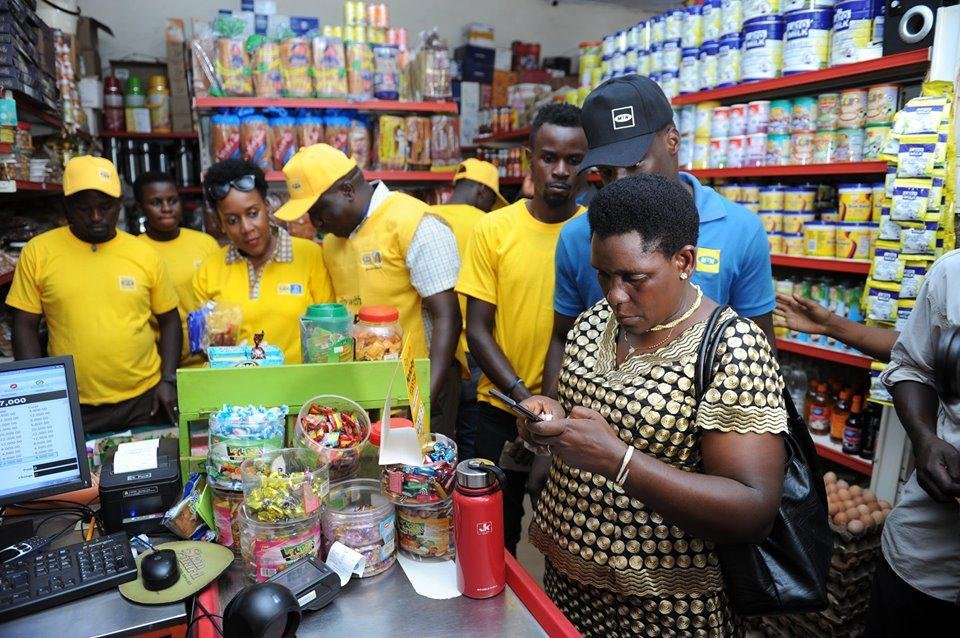
The growth is also spreading into more advanced fintech products. Digital micro-loans, micro-insurance and mobile investment services such as MoKash and Yinvesta grew by 26.2% and now account for 30.4% of total MoMo revenue.
Data consumption is following a similar trajectory.
MTN Uganda has 12.6 million active data subscribers, while average data consumption per customer has increased by 9.2%. Social media, video platforms such as TikTok and YouTube, and messaging applications are among the major drivers of demand.
Smartphone penetration has also reached 42.2%, expanding the number of Ugandans able to access mobile internet services. MTN’s 4G network now covers 93.3% of the population, while 5G coverage stands at 25.6%.
The growth in internet use is not limited to smartphones. Home broadband accounts increased by 68.9% as fibre connectivity expanded, pointing to rising demand for reliable internet access in homes and businesses.
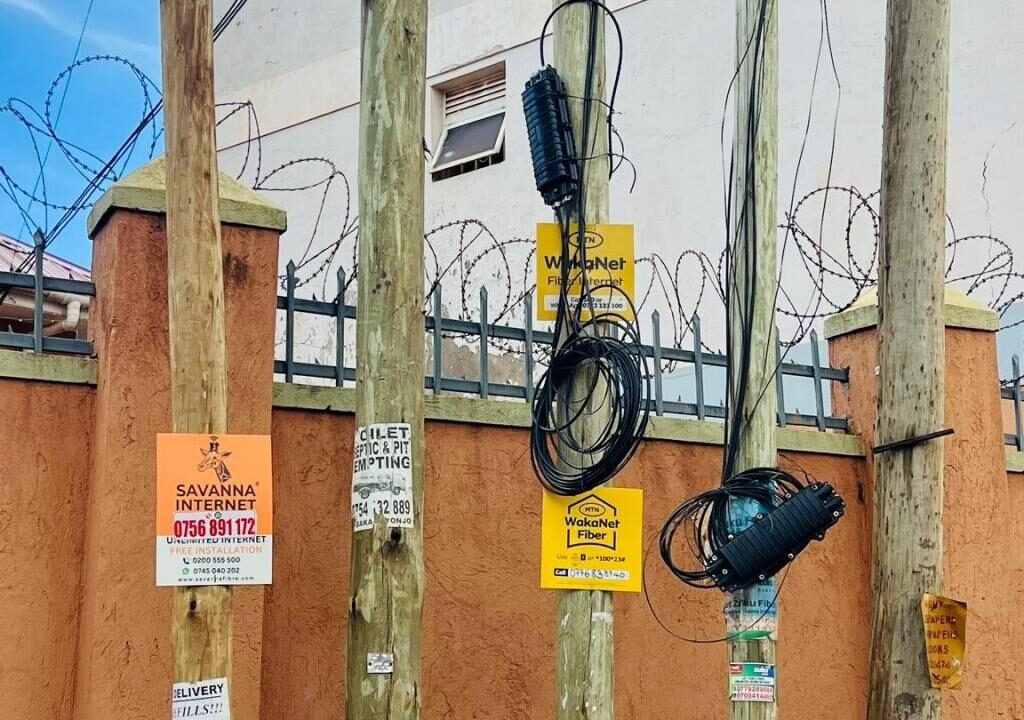
Voice services, however, continue to face structural pressure. MTN Uganda’s 1.8% growth in voice revenue comes as mobile termination rates fell from Ush26.0 to Ush22.5. At the same time, consumers are increasingly using data-based communication platforms such as WhatsApp and Telegram for calls and messaging.
Competition is also shaping the market. Airtel Uganda has about 16 million subscribers and 11.5 million Airtel Money users, keeping pressure on both operators to compete on mobile financial services, data prices and network expansion.
For consumers, the shift is increasingly visible in everyday spending. A Ush1,000 purchase of 100MB for 24 hours, a Ush2,000 500MB bundle or a Ush5,000 package offering 1.5GB reflects the growing importance of data in household telecommunications spending. Unlimited daily access is priced at Ush10,000, subject to a fair-use policy.
The changing revenue mix suggests that Uganda’s telecommunications industry is gradually moving away from a voice-led model toward one built around connectivity, digital payments and other technology-enabled services.
For MTN Uganda, the challenge will be turning rising data consumption and fintech adoption into sustainable revenue growth while keeping services affordable enough to attract and retain customers.
For consumers, meanwhile, the change is redefining the role of the mobile phone. It is no longer simply a tool for making calls. Increasingly, it is becoming a gateway through which Ugandans communicate, make payments, save, access credit, consume entertainment and connect to financial services.
