
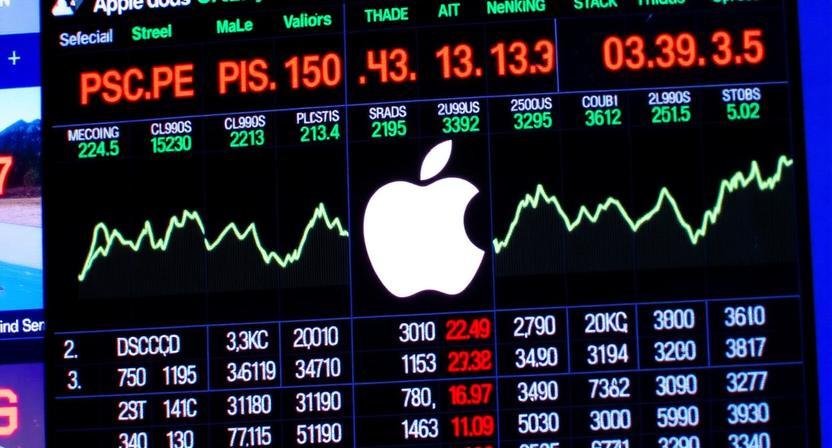
On July 28th, Apple’s stock price jumped to a high of $342.89 during the day. This pushed the company’s total value to about $5.036 trillion for a short time. That made Apple only the second public company in history to reach $5 trillion. By the end of the day, the stock had dropped a little, to $340.08, and the company’s value settled back to about $4.98 to $4.99 trillion. The moment did not last long. But it still means something important.
Nvidia was the first company to reach $5 trillion, back in October 2025. That was also around the time Apple crossed $4 trillion. So Apple added a full extra trillion dollars in less than a year. This shows how fast the biggest companies are growing in value right now. It also shows that Apple and Nvidia have taken very different paths to get there.
Nvidia grew by building the technology that powers artificial intelligence. Apple grew by doing the opposite: spending much less money on AI than its rivals. Companies like Google, Amazon, Meta, and Microsoft have spent hundreds of billions of dollars building huge AI computer centers. Some of them have even borrowed money to do it, which has hurt their cash flow. Apple has not done this. Instead of building its own powerful AI systems, Apple has partnered with other companies when needed. For example, it is using Google’s technology to power a new version of Siri, coming this fall with new iPhones. Apple has stuck to what it’s always been good at: making devices that work well together, protecting user privacy, and processing data directly on the device instead of sending it to the cloud. Apple also has an advantage that’s hard to copy: over two billion active devices used by people around the world.
Investors seem to like Apple’s cautious approach. Apple’s stock is up about 25% in 2026, more than most other big tech companies. Nvidia’s stock, on the other hand, is only up about 6% this year. This gap shows a growing worry on Wall Street: will all that AI spending by other companies actually pay off? Many investors trust Apple more right now, because its business is easier to predict. Apple sells a steady number of devices, makes strong profits from services like the App Store and iCloud, and has a huge amount of cash saved up.
Sales have stayed strong too. Apple raised prices on MacBooks and iPads because parts like memory and storage got more expensive. But it kept iPhone prices about the same, which experts think encouraged people to buy now before prices go up later. On the same day Apple’s value hit $5 trillion, it also announced a new way to pay for its products. Working with Klarna, Apple now lets customers in the US lease an iPhone for as little as $17.99 a month. An iPad or Apple Watch can be leased for $11.99 a month, and a Mac for $24.99 a month. The price of the products hasn’t changed, but it’s now easier to pay for them a little at a time.
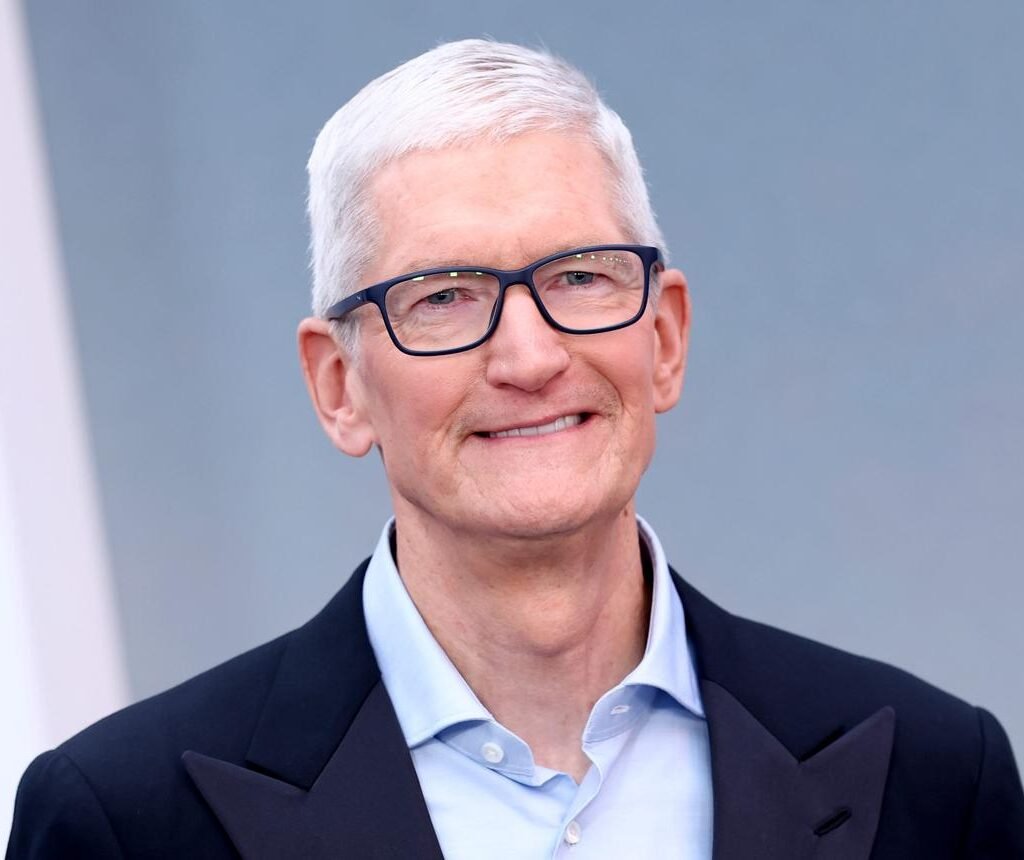
This moment also comes at a big turning point for the company. This week’s earnings report will be the last one under CEO Tim Cook. He has led Apple for 24 years and made a lot of money for investors: $10,000 invested in Apple back in 2003 would be worth millions of dollars today. On September 1st, John Ternus, who currently leads Apple’s hardware engineering, will take over as CEO. He will be in charge of launching the new Siri and proving that Apple’s slow and steady AI strategy was the smart choice.
Looking back, Apple’s rise makes a certain kind of sense. It was the first US company to reach $1 trillion in 2018, $2 trillion in 2020, and $3 trillion in 2023. Now it has added two more trillion dollars in less than a year. But this $5 trillion moment didn’t even last through the end of the trading day, a reminder that a company’s value can change quickly.
Apple’s value right now is bigger than the entire yearly economy of almost every country in the world. That’s an impressive fact, but the real question is simpler: was Apple right to spend less on AI while everyone else spent more? The answer will depend on how well the new Siri works, how well Ternus manages rising costs, and whether Apple can keep making money from its huge base of users without building the same kind of AI systems its competitors are racing to build. Apple has broken through the $5 trillion ceiling. Staying above it will be the harder part.
