
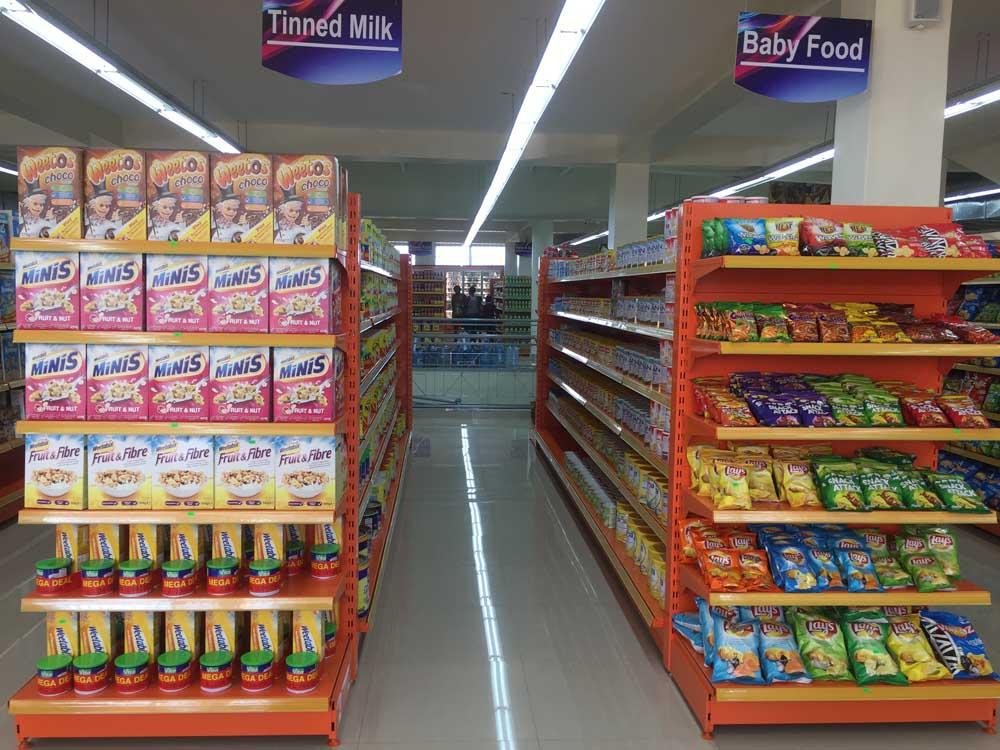
Walk through any supermarket or wholesale market in Kampala, and the pattern is hard to miss. Shelves are stacked with imported cooking oil, processed foods, pharmaceuticals, electronics, furniture and industrial goods, many of them products Uganda has the raw materials, labor and market demand to produce itself.
Why, then, does a country with fertile land, abundant natural resources and one of the world’s youngest populations continue importing what it could manufacture at home? The answer extends far beyond factory walls. It lies in financing costs, infrastructure, regional trade rules, technology gaps, policy implementation and consumer habits shaped by decades of structural constraints.
Manufacturing Starts Long Before the Factory
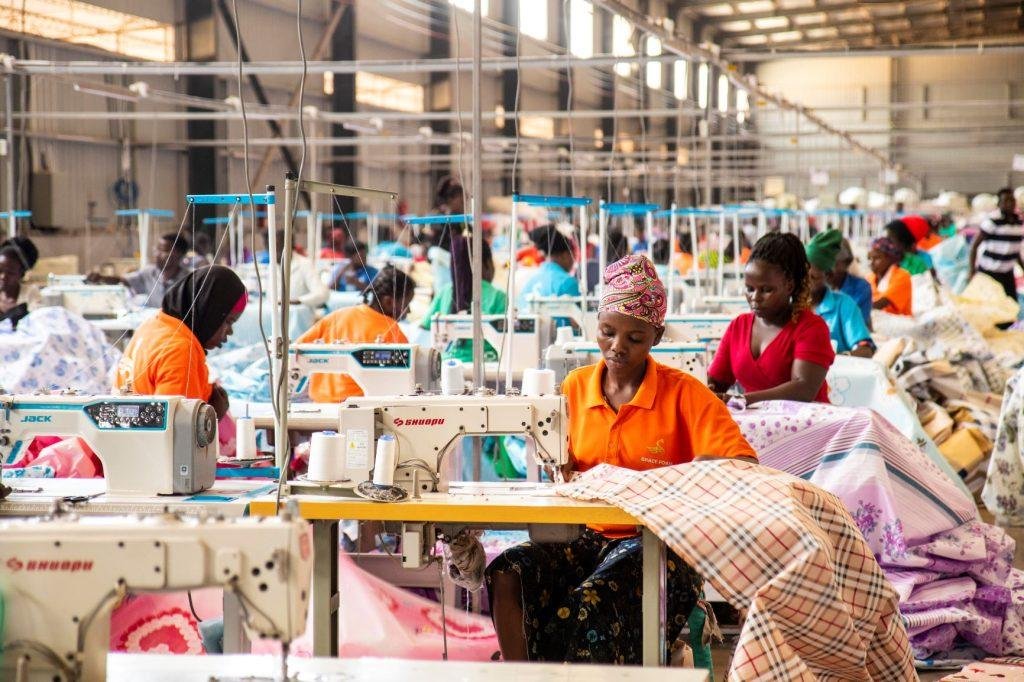
A successful factory depends on affordable financing, reliable power, efficient transport, skilled labor, modern technology, predictable policy and markets large enough to absorb what is produced. When one of these factors fails, production costs rise. When several fail at the same time, importing finished goods often becomes the more attractive business decision.
Financing illustrates the challenge clearly. Bank of Uganda data shows commercial lending rates have averaged between 18 and 19.7 percent, even with the Central Bank Rate at 9.75 percent. That gap makes it expensive to borrow for factories, machinery or expansion, pushing many entrepreneurs toward importing instead of manufacturing.
The High Cost of Producing Locally
Even local manufacturers rely heavily on imported machinery, chemicals, packaging materials, spare parts and industrial components. Nearly all of these inputs are paid for in foreign currency, meaning any depreciation of the Uganda shilling immediately raises production costs.
Add the cost of electricity, fuel, transport, insurance, regulatory compliance and taxes, and the challenge becomes even clearer. According to the Uganda Bureau of Statistics, manufacturing contributes only about 15 to 16 percent of Uganda’s Gross Domestic Product, while services account for more than 41 percent. The economy continues to rely more on trade than industrial production.
The Landlocked Tax
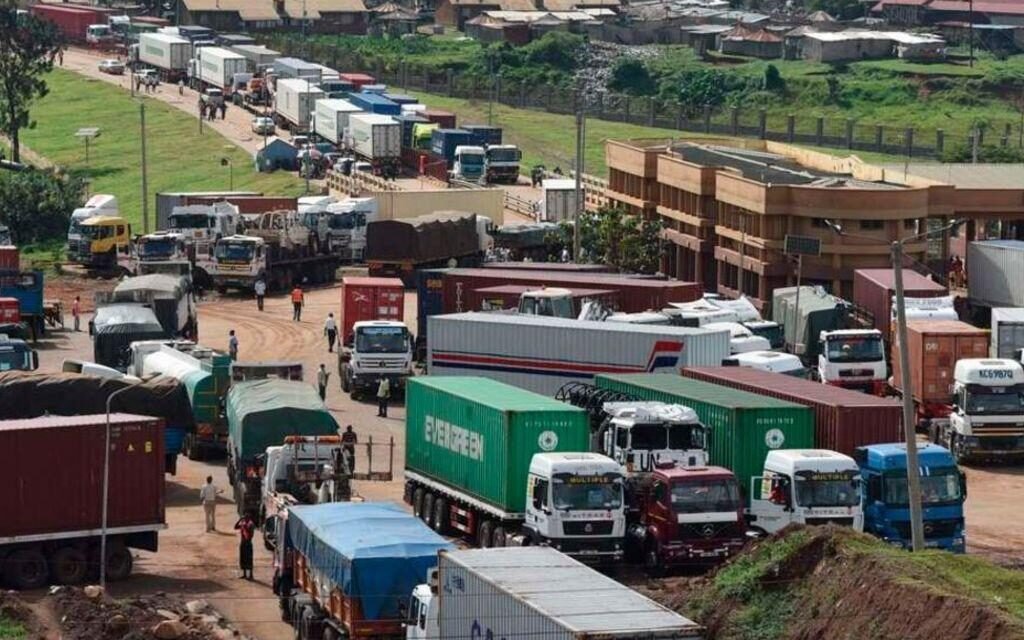
Uganda’s geography creates another layer of cost. Without direct access to the sea, every import and export must pass through neighboring countries before reaching an international port. This means additional transport charges, fuel costs, insurance, customs fees and border delays.
Although government investments in roads, electricity generation and industrial parks have improved the business environment over the past decade, logistics remain significantly more expensive than in coastal economies. Those additional costs make locally manufactured goods less competitive, both at home and abroad.
Exporting Raw Materials, Importing Wealth
Coffee demonstrates the challenge clearly. The Uganda Coffee Development Authority recorded exports of more than 7.4 million 60-kilogram bags worth a record US$2.09 billion. Yet an estimated 85 to 90 percent of those exports left the country as unroasted green beans.
Countries such as Italy purchase the beans, roast them, package them, build global brands around them and sell them at much higher prices. Uganda earns income from producing the raw material, while most of the value created through processing, branding and retail remains overseas.
The same pattern is visible across many agricultural commodities. Raw materials generate export earnings, but finished products generate greater economic value, higher incomes and more jobs.
“Uganda’s challenge is not a shortage of demand. It is building the industrial capacity to meet that demand.”
Regional Markets, Uneven Access
Membership in the East African Community and the African Continental Free Trade Area should provide Ugandan manufacturers with access to hundreds of millions of consumers. In practice, however, exporters continue to face non-tariff barriers, including customs delays, changing import rules, sanitary requirements and licensing restrictions.
Bank of Uganda trade data also shows persistent trade deficits with regional partners such as Kenya and Tanzania, largely because Uganda continues importing processed goods, industrial inputs and fuel.
Policy Exists, Implementation Lags
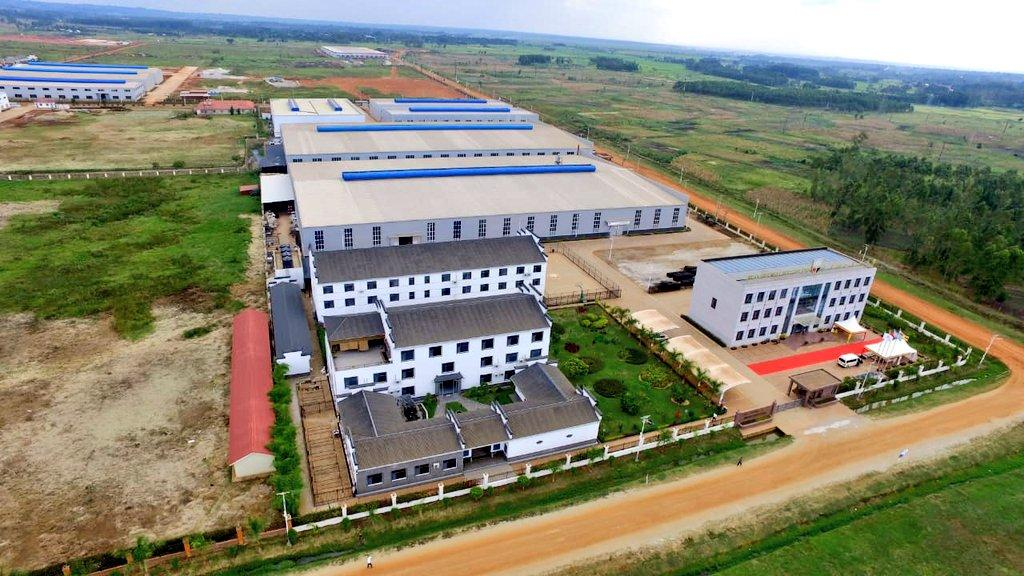
Government initiatives such as Buy Uganda Build Uganda, industrial parks, Free Zones and financing through the Uganda Development Bank have supported growth in sectors including steel, cement, pharmaceuticals and agro-processing.
However, limited financing, bureaucratic delays and inconsistent implementation continue to slow industrial development. Securing industrial land can involve lengthy registration processes, environmental approvals and land tenure disputes that increase costs before production even begins.
Competing on More Than Price
Ugandan manufacturers compete against established industrial economies such as China, India, Vietnam, Turkey and South Africa, countries that have invested in manufacturing, technology and export systems for decades. At the same time, counterfeit and substandard imports continue to undercut legitimate local producers.
The country also faces shortages of technicians, engineers and specialized industrial skills despite producing thousands of university graduates each year. Meanwhile, many consumers still perceive imported goods as being of higher quality, regardless of whether that perception reflects reality.
The Path Forward
The goal is not to eliminate imports. Every successful economy imports products it cannot produce efficiently. The real objective is to build competitive industries in sectors where Uganda already has natural advantages, including agro-processing, pharmaceuticals, mineral processing, textiles and construction materials.
Achieving that requires affordable financing, reliable infrastructure, skilled labor, stronger standards enforcement, genuine access to regional markets and consistent implementation of industrial policy. These are the same foundations that enabled countries such as South Korea, Vietnam, Malaysia and China to transition from exporting raw materials to becoming major manufacturing economies.
Uganda’s challenge is not a shortage of demand. It is building the industrial capacity to meet that demand, so that products carrying the “Made in Uganda” label earn their place on the shelf through quality, competitiveness and value, not sentiment alone.
