
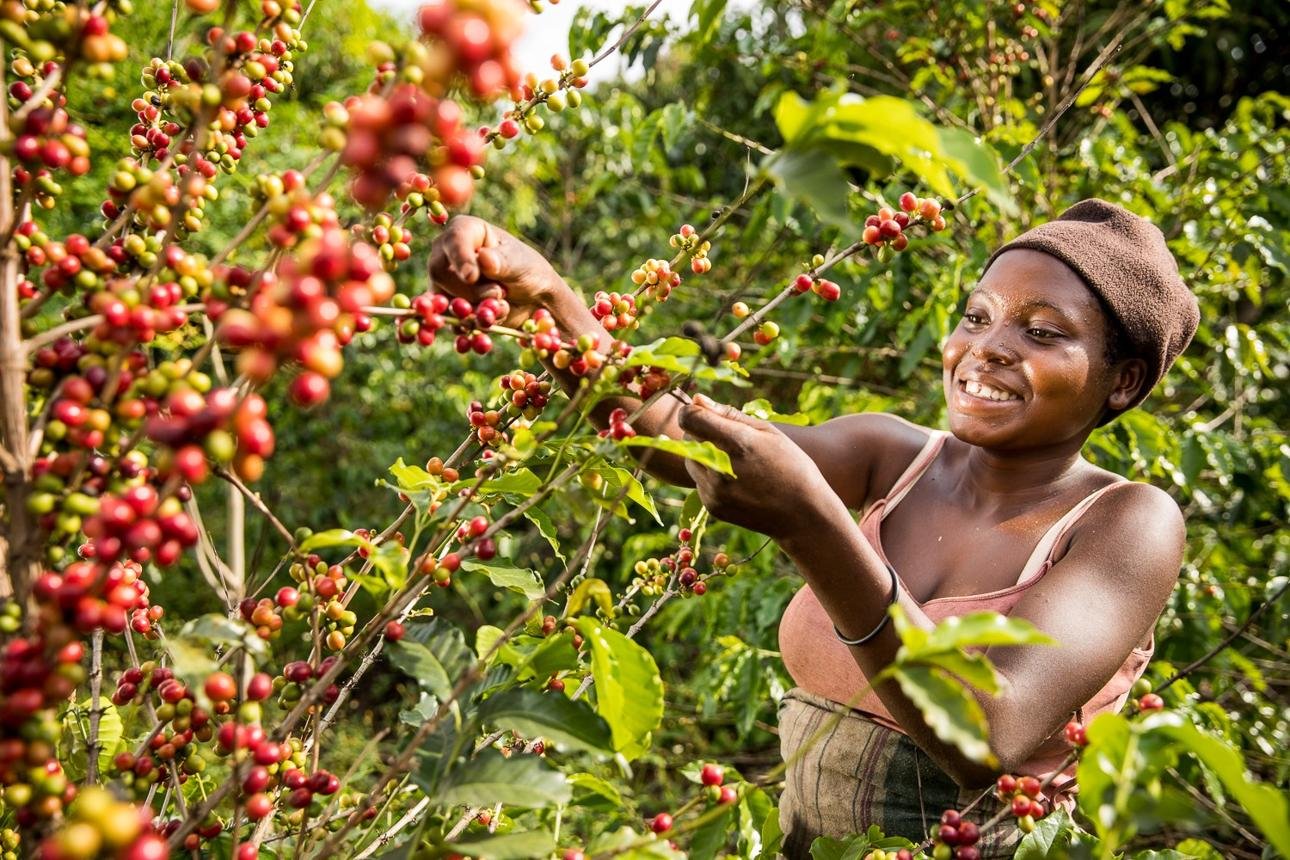
Uganda has turned coffee into its top export earner, and the numbers look impressive on paper. Between June 2024 and May 2025, the country shipped out roughly 7.43 million 60-kilogram bags of coffee, bringing in about US$2.09 billion. The achievement pushed Uganda ahead of Ethiopia in export volumes and cemented its place among Africa’s leading coffee exporters.
But the headline figures hide a more uncomfortable question: why does a country producing some of the world’s best coffee still capture only a thin slice of the value generated once that coffee reaches consumers? That is the paradox at the heart of Uganda’s coffee story. The nation grows the beans, while processing, branding and retail profits mostly accrue elsewhere.
A Price Windfall, Not Necessarily a Breakthrough
Much of the export revenue surge traces back to global price spikes, driven by supply shocks in Brazil and Vietnam caused by drought and frost. Uganda’s export volumes grew only modestly, while revenue jumped because international prices climbed. That is a fragile foundation. If global supply rebounds and prices fall, Uganda’s earnings could shrink again unless more value is captured and retained domestically. This means the country needs a stronger industry built around its beans, not simply higher bean sales.
Two Coffees, Two Strategies
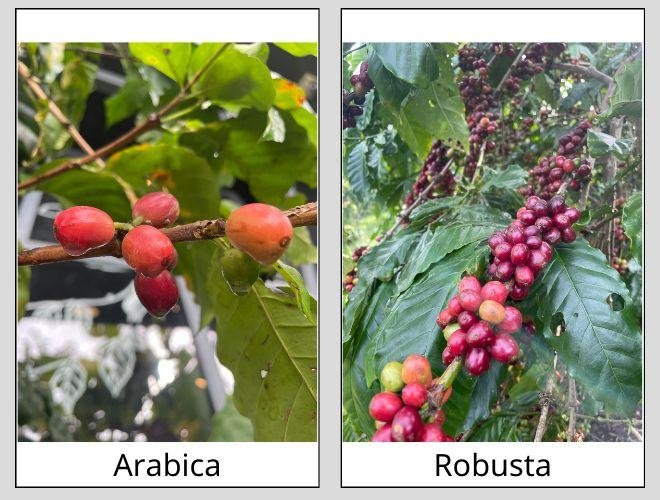
Uganda’s coffee is not a single product. Robusta makes up about 80 percent of production, while Arabica accounts for the remaining 20 percent. Robusta feeds commercial and instant coffee markets, valued for its body and crema but rarely commanding premium prices as a single-origin roast. Arabica, especially from Mount Elgon and the Rwenzori Mountains, can access higher-value specialty markets where origin and traceability matter.
This split means Uganda needs distinct approaches. Robusta requires greater investment in industrial processing, including soluble coffee manufacturing and extraction facilities. Arabica, on the other hand, offers opportunities for specialty branding, certification and direct relationships with premium international buyers.
Why So Little Gets Processed at Home
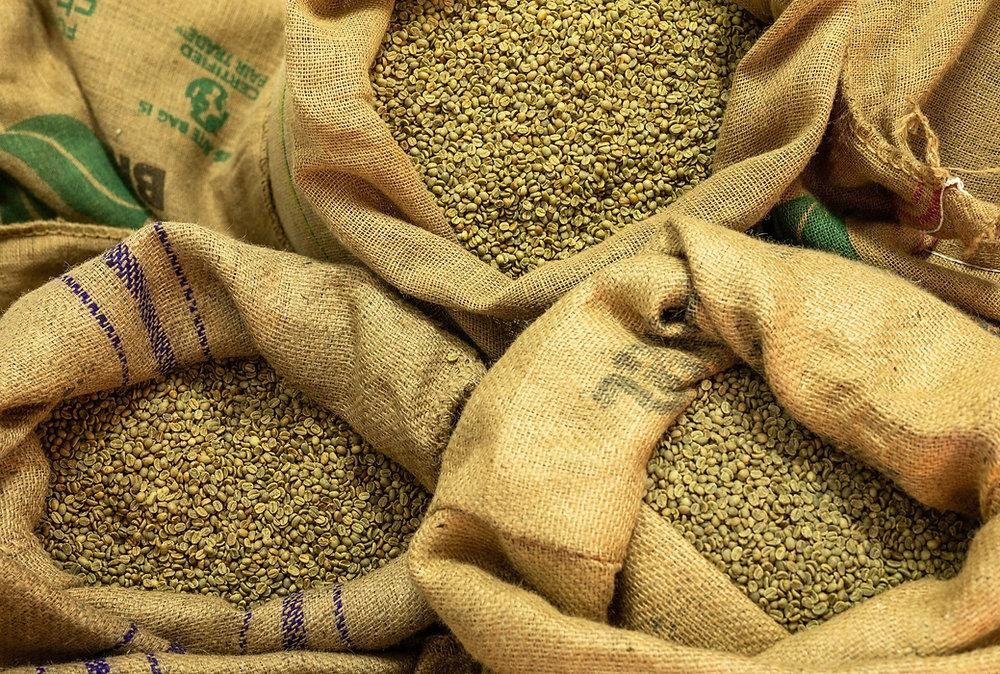
About 98 percent of Uganda’s coffee exports still leave the country as raw green beans. Green coffee is stable and travels well over long shipping routes, while roasted coffee loses flavor quickly through oxidation. This creates a real technical constraint on shipping roasted coffee overseas in the same way local roasters in Europe or North America supply their markets.
The more realistic value-addition path includes soluble coffee manufacturing, improved packaging technology, faster specialty coffee supply chains, partnerships with international retailers and building recognizable Ugandan coffee brands abroad.
Structural Headwinds
Part of the challenge sits outside Uganda’s control. Global trade systems tend to allow raw commodities to move more freely than processed goods, which often face stricter regulations and stronger competition. Uganda is also landlocked, routing exports through Mombasa or Dar es Salaam. This adds inland transport costs, border delays and storage expenses, burdens that affect time-sensitive roasted coffee more than stable green beans.
Where the Money Actually Leaks
The value gap starts inside Uganda, not just overseas. Farmers typically earn between UGX 5,700 and UGX 12,000 per kilogram at the farm gate, only a fraction of the eventual export value after transport, aggregation, processing and financing costs are deducted.
Stronger farmer organizations, better access to market information, improved financing and expanded local processing capacity could allow more value to remain with producers while strengthening Uganda’s domestic coffee value chain.
A Missing Coffee Culture
Countries with strong coffee industries usually have equally strong domestic coffee cultures. Brazil, Italy and Ethiopia all consume large amounts of the coffee they produce and have built thriving café cultures and globally recognized coffee identities.
Uganda’s local coffee consumption still lags behind tea, even as urban coffee culture grows in Kampala and other towns. Building a larger domestic market could give Ugandan brands a stronger foundation before they compete internationally while supporting cafés, entrepreneurs and coffee training institutions.
The Way Forward

Uganda’s future in coffee depends less on growing more beans and more on capturing a larger share of the value chain. That means expanding Robusta processing for instant coffee and industrial markets, strengthening branded specialty Arabica exports, improving domestic supply chains so farmers earn more, increasing local coffee consumption and securing better market access for processed coffee products.
The real challenge ahead is no longer proving that Uganda can grow coffee. It already has. The bigger question is whether the country can move from simply supplying beans to owning more of the industry built on top of them.
