
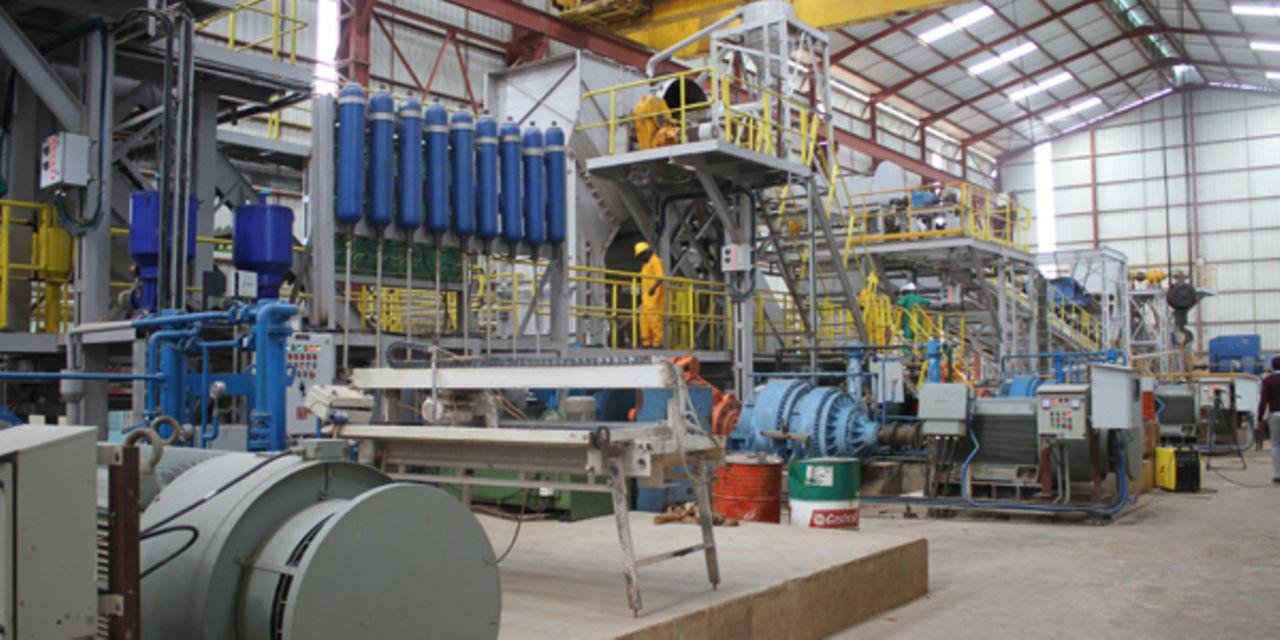
Uganda’s push to expand manufacturing and Agro-industrialisation faces a major financing challenge as local manufacturers contend with commercial lending rates of 18% to 24%, well above the sector’s average profit margins of 8% to 12%.
The mismatch is putting pressure on domestic manufacturers seeking to build factories, purchase machinery and expand production. While multinational companies often have access to international capital markets and cheaper sources of financing, many Ugandan businesses remain dependent on commercial bank loans. For an industry whose investments often take years to generate returns, the cost of borrowing is a significant constraint.
A manufacturer borrowing at commercial rates of up to 24% faces substantial debt-service obligations before accounting for wages, utilities, raw materials, transport, and other operating costs. With average manufacturing margins estimated at between 8% and 12%, financing costs can consume a significant share of potential returns.
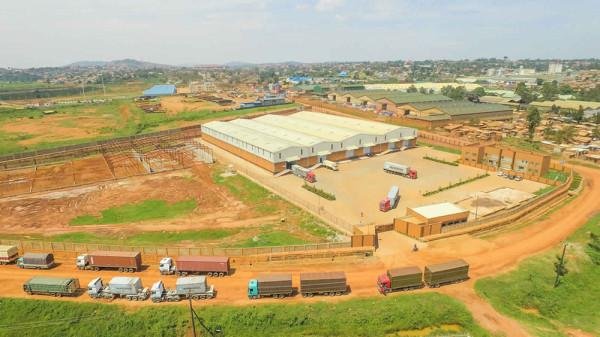
Access to long-term credit is also limited. Only 22.9% of small and medium-sized manufacturing enterprises secure formal, long-term credit, while overall loan approval rates across the banking sector have fallen to 64.7% amid stricter risk assessments.
The financing challenge comes as the Government places industrialisation and Agro-processing at the centre of its strategy to scale Uganda’s GDP tenfold. For manufacturers, the problem is therefore not only access to money, but access to money on terms that match the long repayment periods of industrial investments.
Alternative financing mechanisms are increasingly being positioned as part of the solution.

Uganda Development Bank (UDB), the country’s state-owned development finance institution, has allocated Shs518.4 billion in target funding for Agro-processing, heavy manufacturing, and primary production projects. The financing is available at single-digit to low double-digit interest rates, providing longer-term capital than conventional commercial lending.
The Agricultural Credit Facility (ACF), managed by the Bank of Uganda in partnership with participating commercial banks, provides another option. Loans for agricultural value addition, machinery, and processing equipment are capped at 12% per annum.
Islamic finance also provides businesses with alternatives to conventional interest-based borrowing. Structures such as Mudarabah and Musharakah use profit-sharing arrangements, while Murabaha provides cost-plus financing.
The expansion of capital-market financing offers another route for established companies seeking to reduce dependence on bank debt. Partnerships between the Uganda Manufacturers Association (UMA) and the Capital Markets Authority (CMA) are encouraging businesses to consider private equity, corporate bonds, asset-backed lending and invoice discounting.
The difference in financing terms is significant. Commercial banks typically provide loans for one to five years at rates of 18% to 24%, making them more suited to working capital, inventory and trading activities.
UDB financing ranges from 10% to 12%, with tenures of five to 15 years, making the structure more suitable for factory construction and heavy equipment. ACF financing is capped at 12%, with flexible repayment periods of up to eight years.
The financing gap also comes alongside operational pressures, including rising utility costs and localised power supply fluctuations as industrial electricity demand increases. For Uganda’s industrialisation strategy to translate into larger domestic production, local manufacturers need financing structures aligned with the economics of industrial investment.
Expanding development finance and non-bank funding options gives manufacturers additional routes to acquire machinery, establish processing facilities and expand production without relying entirely on expensive short-term commercial credit.
The broader test will be whether these financing channels reach enough domestic manufacturers to increase productive capacity, strengthen local supply chains and improve Uganda’s ability to compete with imported goods.
