
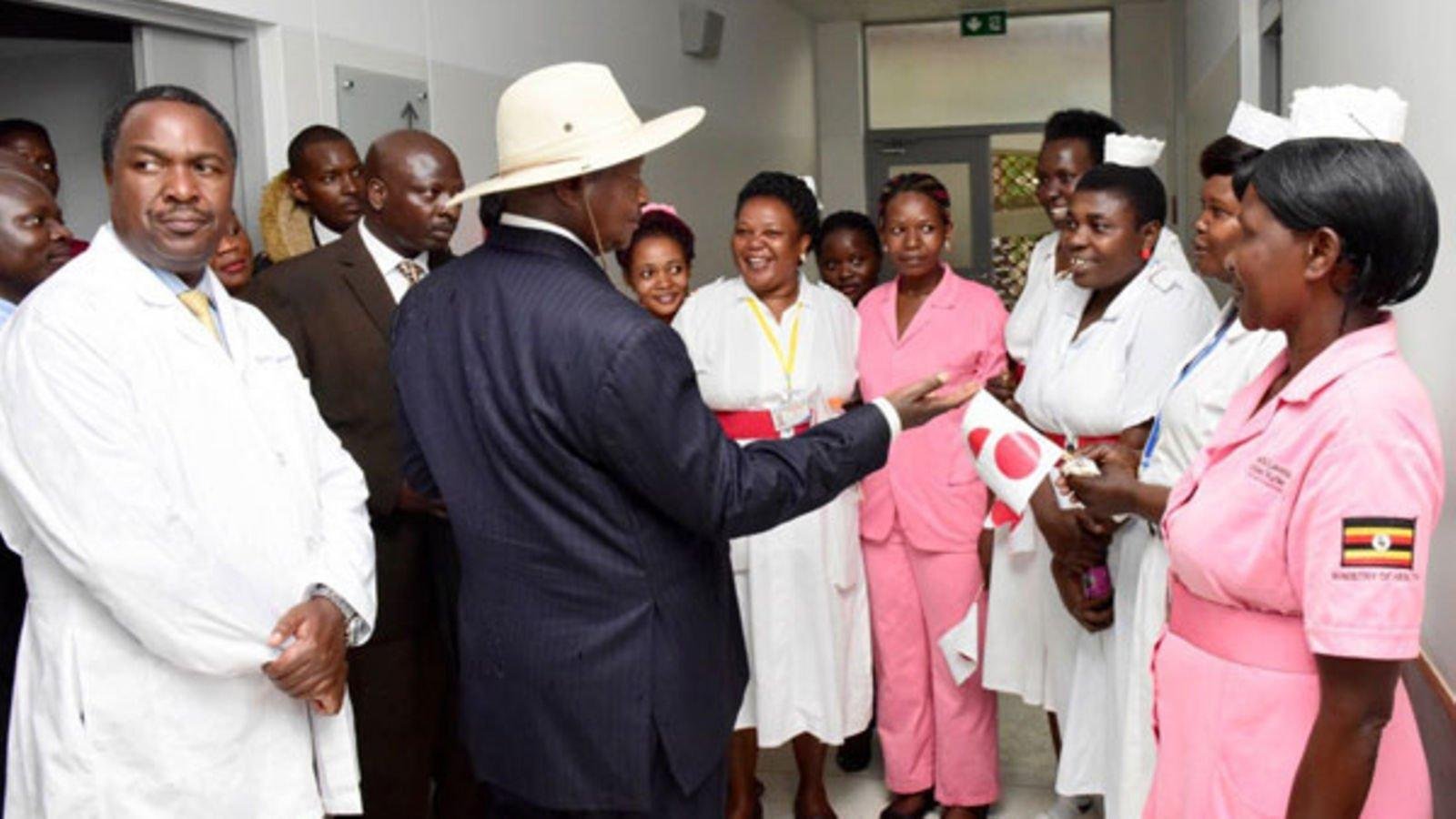
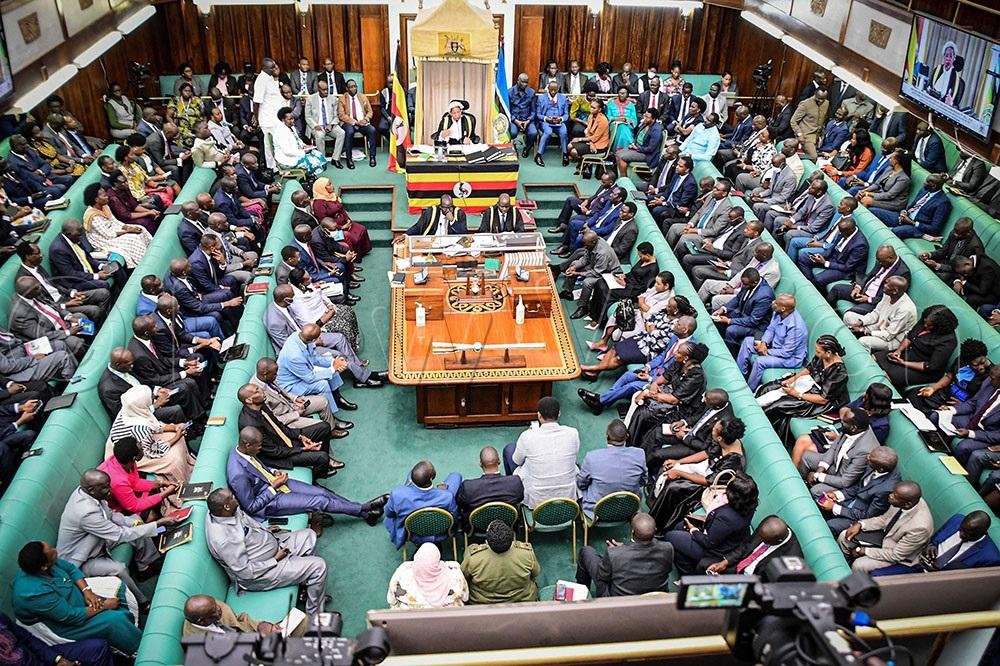
President Yoweri Museveni has directed the Government to explore exempting medical workers’ salaries from Pay As You Earn (PAYE) tax, in a proposal aimed at improving the financial benefits of healthcare workers and aligning their treatment with that of Uganda’s armed forces. The directive was announced on August 18, 2026, by Minister of Health Dr Chris Baryomunsi during a plenary session of Parliament.
The proposal comes as Government grapples with a broader challenge in the health sector, including the growing number of medical graduates seeking employment, pressure on the public wage bill, and persistent concerns over remuneration and retention of health professionals.
The rationale for the proposed tax relief is based on the nature of medical work as an essential national service. President Museveni has argued that healthcare workers, like members of the Uganda People’s Defence Forces, operate on the frontline of protecting public safety and therefore deserve comparable consideration in the structure of public-sector benefits.
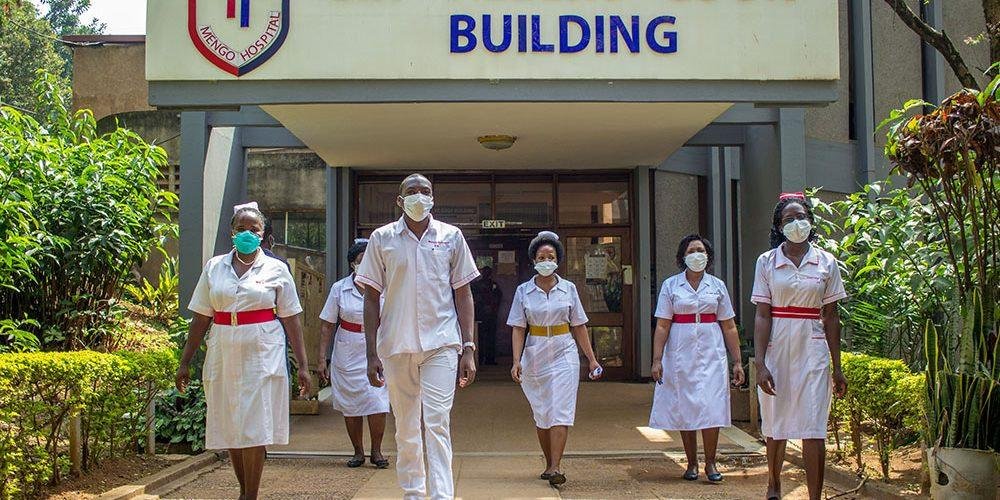
Under the existing PAYE system, public servants, including scientists and medical professionals, are subject to income tax on their employment earnings, with the highest applicable rate reaching 30%. Removing PAYE from medical workers’ salaries would increase their take-home pay without necessarily requiring the Government to increase their basic salaries by the same amount. The proposal emerged amid a separate dispute over the treatment of medical interns.
The government had faced criticism over a proposed arrangement under which government-sponsored interns would receive financial facilitation while privately sponsored interns would receive only a monthly meal allowance of Shs483,334.
Following consultations with stakeholders and the President, Baryomunsi said Cabinet had suspended the two-tier arrangement. Under the revised arrangement, all medical interns in the current cohort are expected to receive a uniform monthly facilitation of Shs1.2 million. Until any broader tax exemption is formally enacted, the stipend remains subject to statutory deductions, leaving interns with approximately Shs1 million in net monthly pay.
The Government is also preparing a health workforce white paper to address deeper structural problems in the sector. The document is expected to examine how many health professionals Uganda needs to train, the financial resources required to absorb graduates into public service, and the legislative changes required to implement the proposed PAYE exemption.
Although Cabinet initially provided six months for the workforce review, Baryomunsi committed to presenting the findings within two months in an effort to accelerate reforms. The proposed tax relief has also raised questions about the sustainability and fairness of Uganda’s public compensation system.
According to figures cited in the debate, the public service wage bill has increased by approximately Shs2.4 trillion over the past four years, driven largely by targeted salary enhancements for scientists and healthcare workers.
Supporters of the proposal argue that better remuneration could strengthen retention and improve the attractiveness of medical careers in Uganda. Critics, meanwhile, question whether selective tax exemptions would create unequal treatment among public servants performing other essential roles.
Workers in administration, education and other sectors would continue to operate under the standard PAYE framework, raising questions about horizontal equity across the public service.
The proposal also has implications for Government revenue. Exempting medical salaries from PAYE would reduce the amount collected from the affected workers, although the fiscal impact would depend on the number of beneficiaries and their taxable earnings.
The proposal is therefore not yet a tax exemption in force. Any permanent change would require the necessary legislative amendments to Uganda’s tax laws and parliamentary approval. For now, the health workforce white paper is expected to provide the basis for determining whether the proposed tax relief is financially sustainable and how it would fit into Uganda’s wider strategy for recruiting, retaining and financing medical professionals.
The debate ultimately extends beyond PAYE. Uganda must determine how to reward essential workers, finance an expanding health workforce and maintain a tax system perceived as fair across the public service.
