
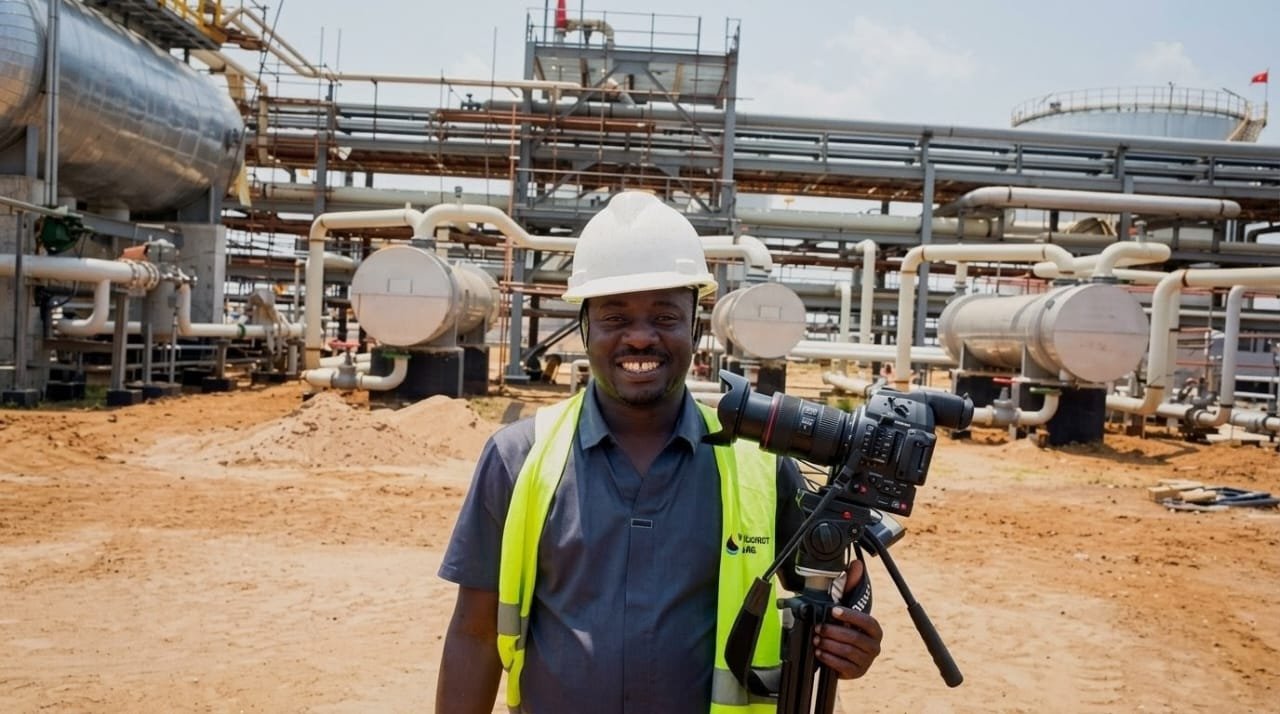
Uganda’s First Oil is here. Rigs are in position. Pipelines are taking shape. Contracts worth billions have been signed. Yet the single most powerful force that will determine whether this milestone transforms lives or simply makes headlines is not a drill bit. It is a story.
For the time I have worked at the intersection of energy and communications, I have watched technically brilliant projects collapse under the weight of public mistrust, and I have watched imperfect ones survive because someone told their story well. As we gather under the theme “First Oil: Fulfilling the Promise, Forging the Future,” I want to make the case that media is not the backdrop to Uganda’s oil journey. Media is the road.
I have come to describe the media’s role in this sector through a framework I call N.I.C.E.: Narrative, Image, Controversy and Evidence of Work.
Each dimension represents a lane in which the media can either drive Uganda’s oil promise forward or stall it entirely.
Narrative (N)
Every transformative moment in Uganda’s oil story, including the Final Investment Decision of 2022, the launch of drilling at Kingfisher and the groundbreaking of EACOP, reached ordinary Ugandans through the media first. A citizen in Hoima, a student in Gulu or a mother in Soroti will never stand on a rig. But through a well-reported story, they can understand what is being built in their name.
The media’s power to narrate this journey with accuracy, context and national pride is the difference between a sector that Uganda owns emotionally and one it merely tolerates politically. When journalists frame First Oil as Uganda’s achievement, and not just a corporate transaction, they build the national consensus that sustains the industry through every political headwind.
Image (I)
Perception is policy.
The image that the media projects of Uganda’s extractive sector directly influences investor confidence, regional partnerships and domestic political will. When international outlets ran alarming environmental headlines about EACOP, often written from foreign capitals without adequate ground verification, they did not simply damage the reputation of a pipeline project. They complicated financing conversations, strained diplomatic relationships and placed Ugandan jobs at risk.
Responsible local media, armed with facts and proximity to the realities on the ground, remains one of the most credible corrective tools available. Building Uganda’s image as a capable, transparent and locally empowered oil producer is as much a media function as it is a government responsibility.
Controversy (C)
Here is a truth the sector must confront: Uganda’s oil journey has suffered more from communication failures than geological ones.
Narrative gaps have often been filled with speculation about contract irregularities, environmental destruction and elite capture, not necessarily because allegations were proven, but because authoritative voices were absent or arrived late. Media thrives on conflict, and where the industry fails to engage proactively, controversy inevitably writes its own script.
The solution is not to silence scrutiny. A sector with nothing to hide should welcome a curious and informed press. The solution is to engage early, consistently, and with evidence. Controversy managed well becomes accountability. Accountability, over time, becomes trust.
Evidence of Work (E)
This is perhaps the media’s most underdeveloped role in our sector.
Over $2.81 billion in contracts have been awarded to Ugandan companies. ugandainvest.co.ug More than 7,000 nationals have been trained in petroleum-related fields. kfm.co.ug Eighty thousand jobs direct and indirect have been supported. These are not press release statistics. ankoletimes.co.ug.They are the lived realities of families and businesses across this country. Yet they remain largely invisible to the public because evidence without storytelling is simply data. The media’s job is to translate numbers into names and policy into people. When a Ugandan engineer on the EACOP project is profiled in a Sunday newspaper, that is not a feel-good story. That is nation-building.
As UCEM convenes the 11th Annual Oil and Gas Convention, we do so knowing that First Oil will arrive, the wells are drilled, the targets are met, the infrastructure is in place. What we cannot afford to leave to chance is the story that surrounds it. Uganda needs a media ecosystem that is technically literate, nationally invested, and editorially courageous enough to hold the sector to account while celebrating what it is genuinely getting right.
The promise of First Oil has been fulfilled in the field. But it will be forged in the minds and hearts of Ugandans in the newsroom.
