
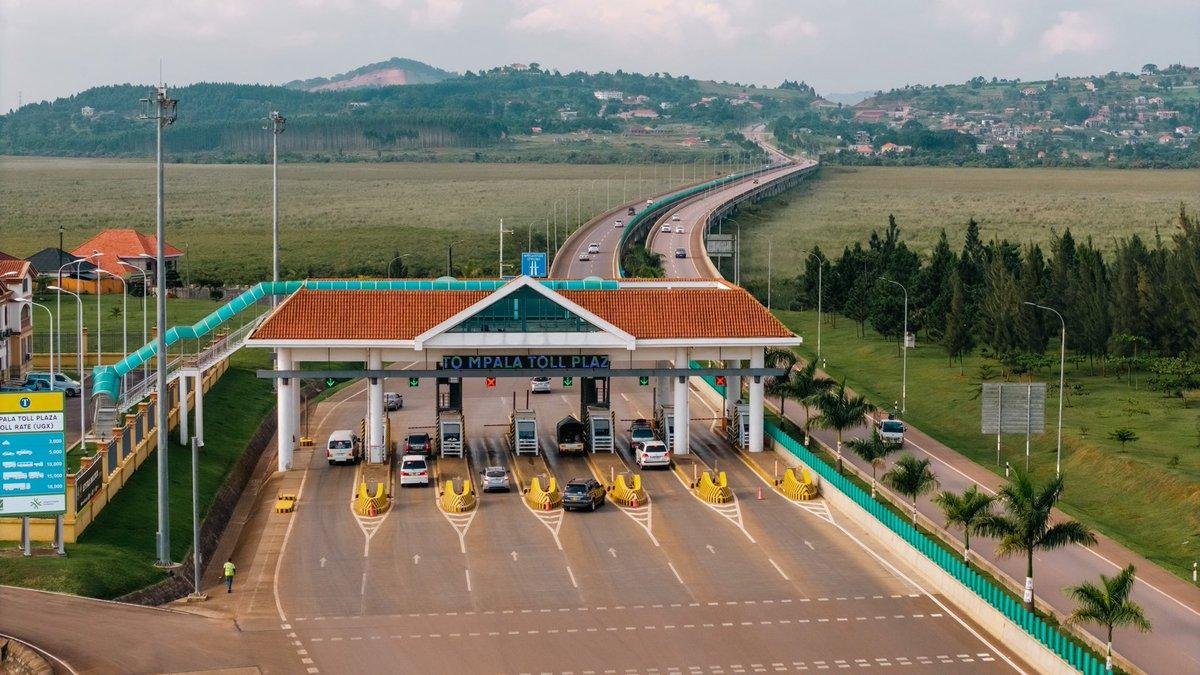
Toll revenue on the Kampala-Entebbe Expressway has climbed to an average of Shs4 billion a month, up from Shs3.7 billion in 2025, as Uganda’s first tolled highway edges toward its fourth anniversary of operation. Despite the growth, collections still fall well short of what’s needed to service the loan that built the road.
Since tolling began in January 2022, the 51.4-kilometre road has pulled in more than Shs192 billion. Daily traffic now averages between 27,000 and 28,000 vehicle passages, more than double the 13,000 daily passages originally projected when the road was designed. Cumulative passages have crossed the 40 million mark.
Joy Nabaasa, public relations manager at the Kampala-Entebbe Expressway, confirmed the improved numbers. The road, which cut travel time between Kampala and Entebbe International Airport from roughly two hours to about 30 minutes, was designed to fund its own upkeep while also contributing to repayment of the loan that built it.
The Debt Behind the Road
Uganda borrowed $350 million from China’s Exim Bank in May 2011 to finance the expressway. The repayment schedule runs 13 years, from 21 July 2019 to 21 January 2032, and requires the government to pay $26.8 million annually, roughly Shs96 billion a year at the exchange rate used when the schedule was set in 2022.
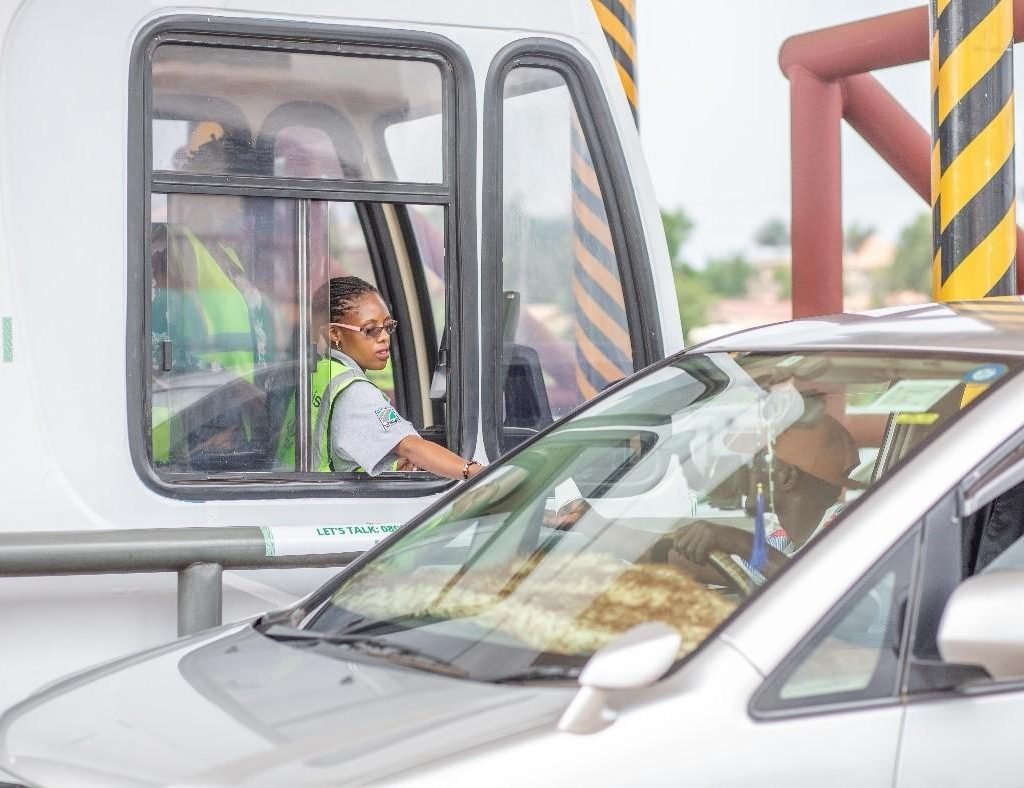
To meet that obligation comfortably, the three toll points at Busega, Kajjansi, and Mpala would need to collect close to Shs8 billion a month. At the current Shs4 billion pace, the road is covering only about half of what’s needed to service the debt, and that’s before accounting for the cost of running and maintaining the highway.
The Ministry of Works and Transport says toll income is split between loan servicing and operations and maintenance, which covers round-the-clock security patrols, ambulance and breakdown towing, toll system upkeep, and road asset preservation. The ministry has declined to disclose exactly how much of the loan has been repaid, pointing questions to the Ministry of Finance, Planning and Economic Development instead. All revenue collected flows into the Consolidated Fund, and the treasury covers whatever shortfall remains from general tax revenue.
New Hands at the Toll Gates
Operations at the tolled section, previously run by French firm Egis Road Operations on behalf of the Uganda National Roads Authority, were handed over to local company Pinnacle Security Limited around May 2026, marking a shift toward domestic management of the country’s flagship toll asset.
Growth Story, Financing Puzzle
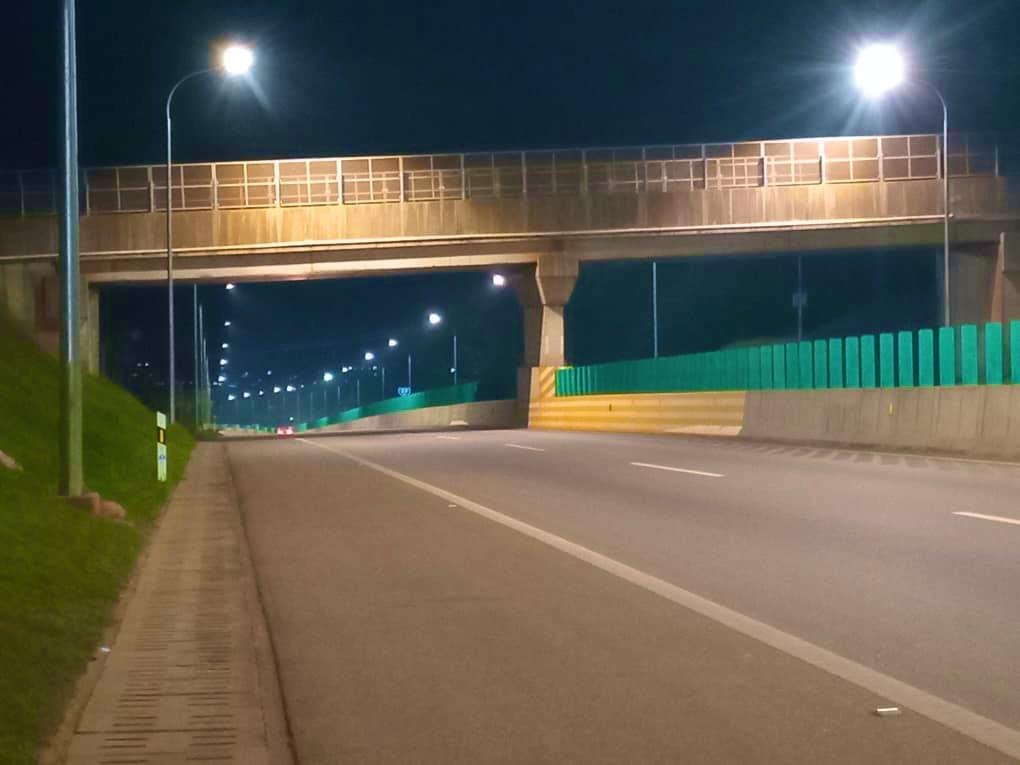
The trajectory tells its own story: from about Shs2.8 billion a month in 2022, to Shs3.7 billion in 2025, to Shs4 billion today. That growth is being driven by commuters, air travelers moving through Entebbe International Airport, and commercial transport operators leaning on the corridor to bypass Kampala’s congestion. The recent completion of streetlighting along the route has added a further boost, improving nighttime safety and pulling in more motorists after dark.
Still, the gap between what the road earns and what the loan requires remains the story that matters most to policymakers. With the repayment window closing in January 2032, the question facing government is whether traffic growth can outpace the debt schedule, or whether taxpayers will keep footing the difference well into the next decade.
