

Every year on May 28, the world commemorates World Menstrual Hygiene Day, a day dedicated to raising awareness about menstruation and advocating for menstrual health and dignity. Over the years, conversations around menstruation have increased significantly, with many campaigns focusing on access to sanitary pads for girls and women. While this progress is commendable, the conversation on menstrual health must go beyond pads.
In the context of emerging social enterprises and impact-driven markets, menstrual health is no longer just a public health issue; it is becoming a scalable development sector that intersects with education, manufacturing, supply chains, retail distribution, and social innovation. This shift is redefining how governments, NGOs, and private sector actors design interventions around menstrual care.
Menstrual health is not only about access to sanitary products. It is about dignity, confidence, inclusion, health, education, and emotional wellbeing. For many girls and women, menstruation remains a deeply silent struggle shaped by shame, stigma, misinformation, and lack of support from society. In many communities, girls are still taught to hide menstruation as though it is something embarrassing. Some miss school because they fear staining their uniforms, while others silently endure severe menstrual pain without support because society has normalized suffering in silence.
Even in workplaces and institutions, conversations around periods remain uncomfortable and avoided. The reality is that menstrual health affects more than the physical body. It affects self-esteem, participation, confidence, and the ability of girls and women to thrive fully in society. A girl who menstruates with shame is less likely to participate confidently in class leadership, sports, public speaking, and other opportunities that shape her growth and future.
From a systems perspective, this also translates into measurable economic outcomes. Absenteeism in schools, reduced workplace productivity, and limited participation of women in formal economic activities all have long-term implications on human capital development and national productivity. This is why menstrual dignity is increasingly being viewed as part of the broader health economy and workforce inclusion agenda.
As a young menstrual health advocate and Founder of RedPlus Organisation, I have witnessed how many young girls struggle not only with lack of menstrual products, but also with fear, embarrassment, isolation, and silence. Some lack accurate information about their own bodies, while others grow up believing menstruation is something dirty or shameful. This is why the conversation around menstrual health must become more inclusive, structured, and aligned with sustainable delivery models that ensure long-term impact rather than one-time interventions.
This is also where sustainable health enterprises come in. Unlike traditional donation-based models, social enterprises in menstrual health focus on affordability, local production, supply chain efficiency, and continuous access. They explore innovative business models such as reusable sanitary products, localized manufacturing, school-based subscription systems, and public-private partnerships that ensure scale and sustainability.
Menstrual health should not only concern women and girls. Men and boys must also be part of the conversation. Fathers, brothers, teachers, policymakers, and male peers all have a role to play in creating supportive and stigma-free environments. Educating boys about menstruation also strengthens market acceptance, reduces stigma-driven resistance to products, and expands the consumer base for menstrual health innovations.
Furthermore, menstrual dignity requires more than donations during commemorative days. It requires consistent education, access to clean sanitation facilities, supportive policies, open conversations, and safe spaces where girls and women feel heard and respected. It also requires investment in research, product innovation, and distribution systems that reach rural and low-income markets efficiently.
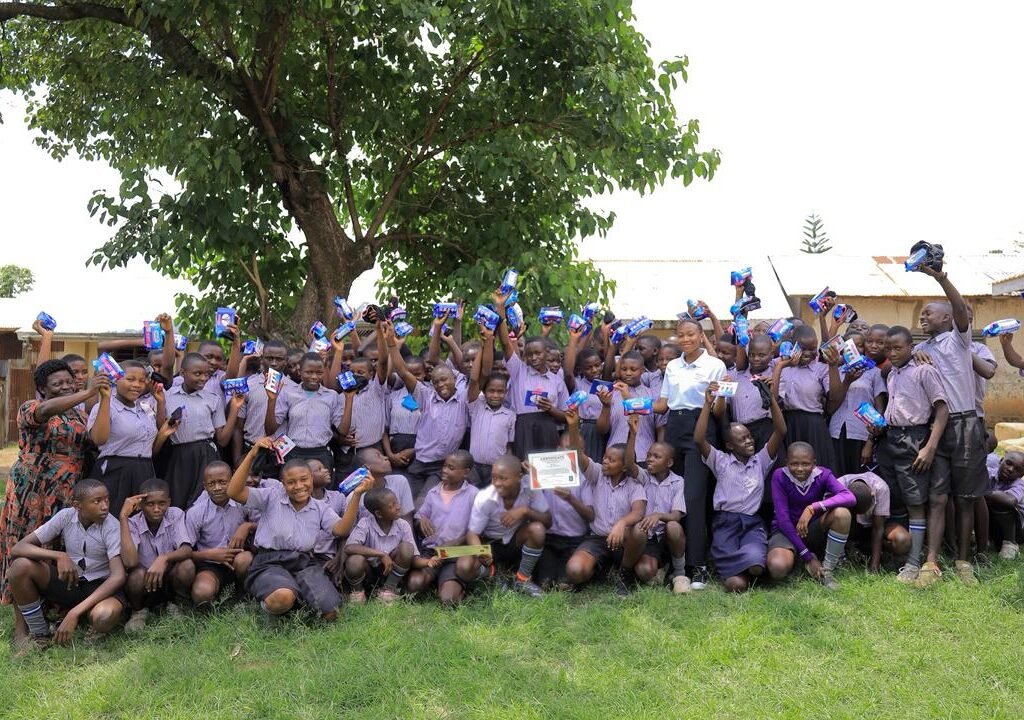
As we commemorate Menstrual Hygiene Day this year, we must move from simply distributing pads to building a structured ecosystem where menstrual health is treated as both a human right and a viable development industry. This includes empowering local entrepreneurs, strengthening women-led enterprises in hygiene manufacturing, and encouraging impact investors to support scalable menstrual health solutions.
Menstruation is a natural biological process, not a source of shame. Creating menstrual dignity means creating communities where girls and women can live, learn, lead and thrive without fear, stigma, or silence. And in the evolving landscape of social impact business, menstrual dignity is not just a moral necessity; it is a foundation for the future of sustainable health enterprises.
Because beyond the pads, dignity matters too.
